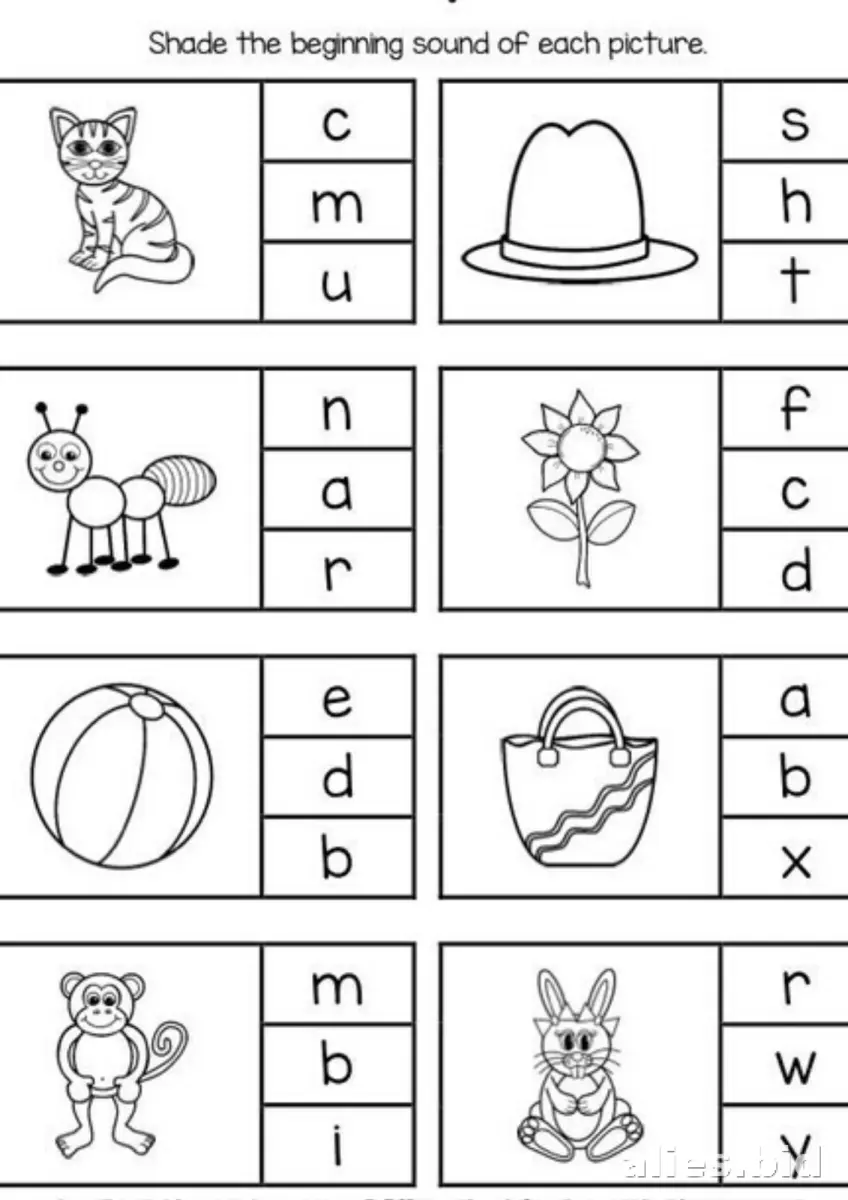
Why Rhyming Words Matter in Early Education
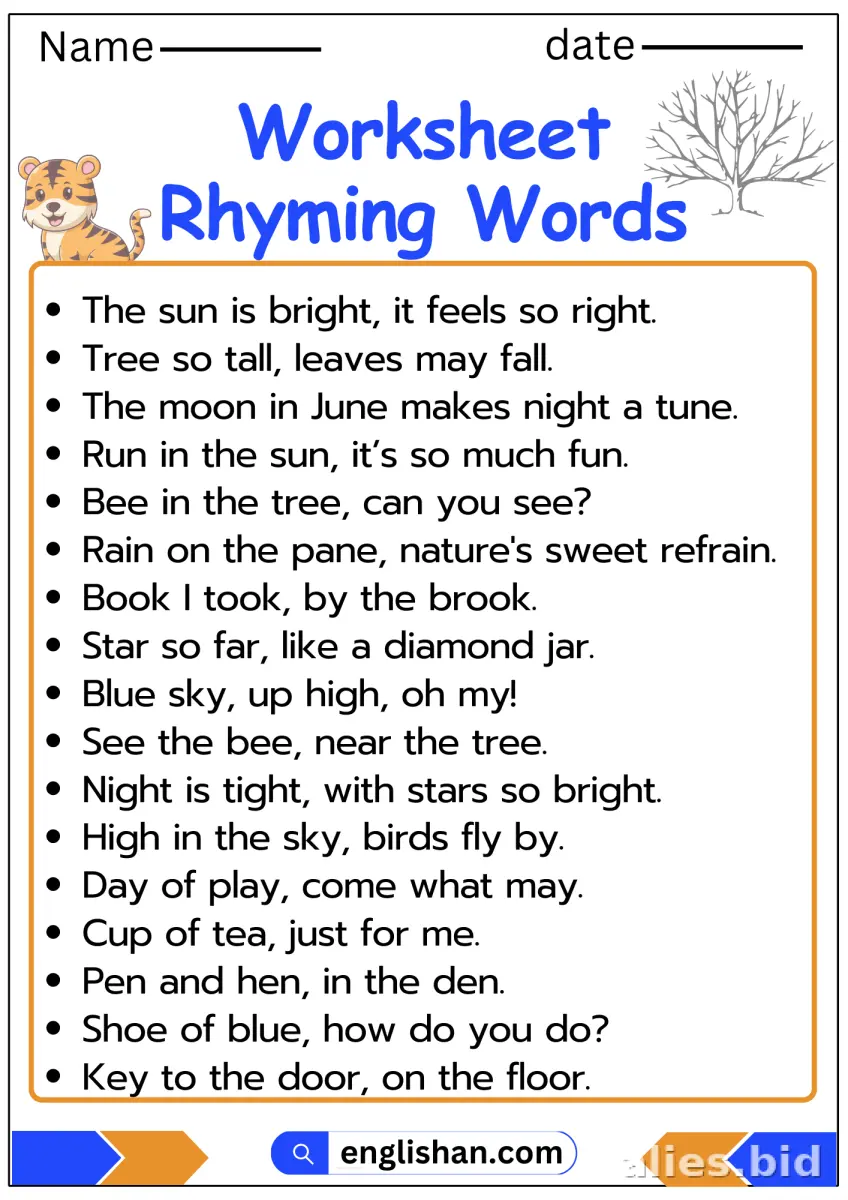
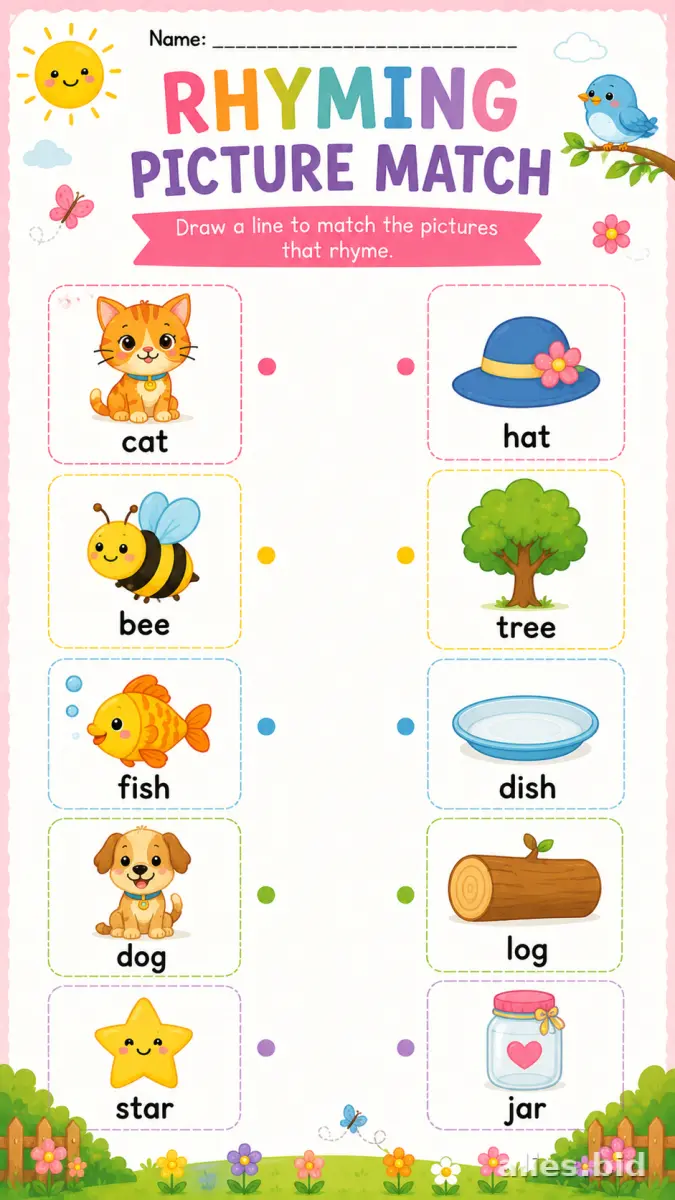
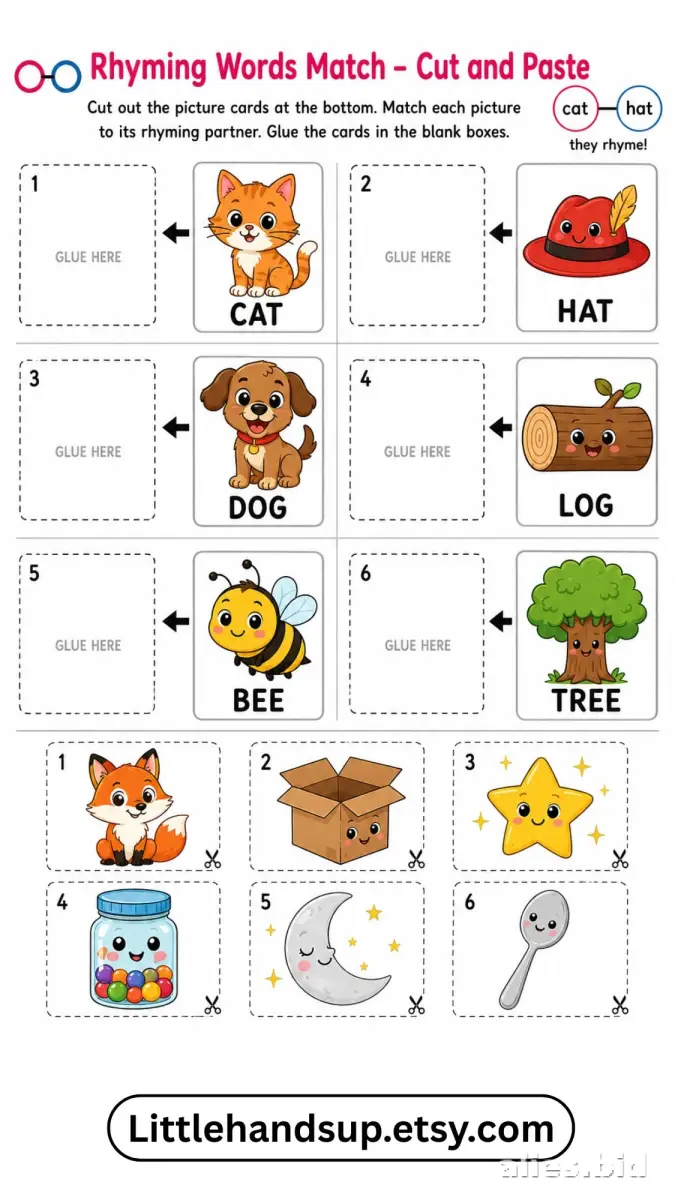
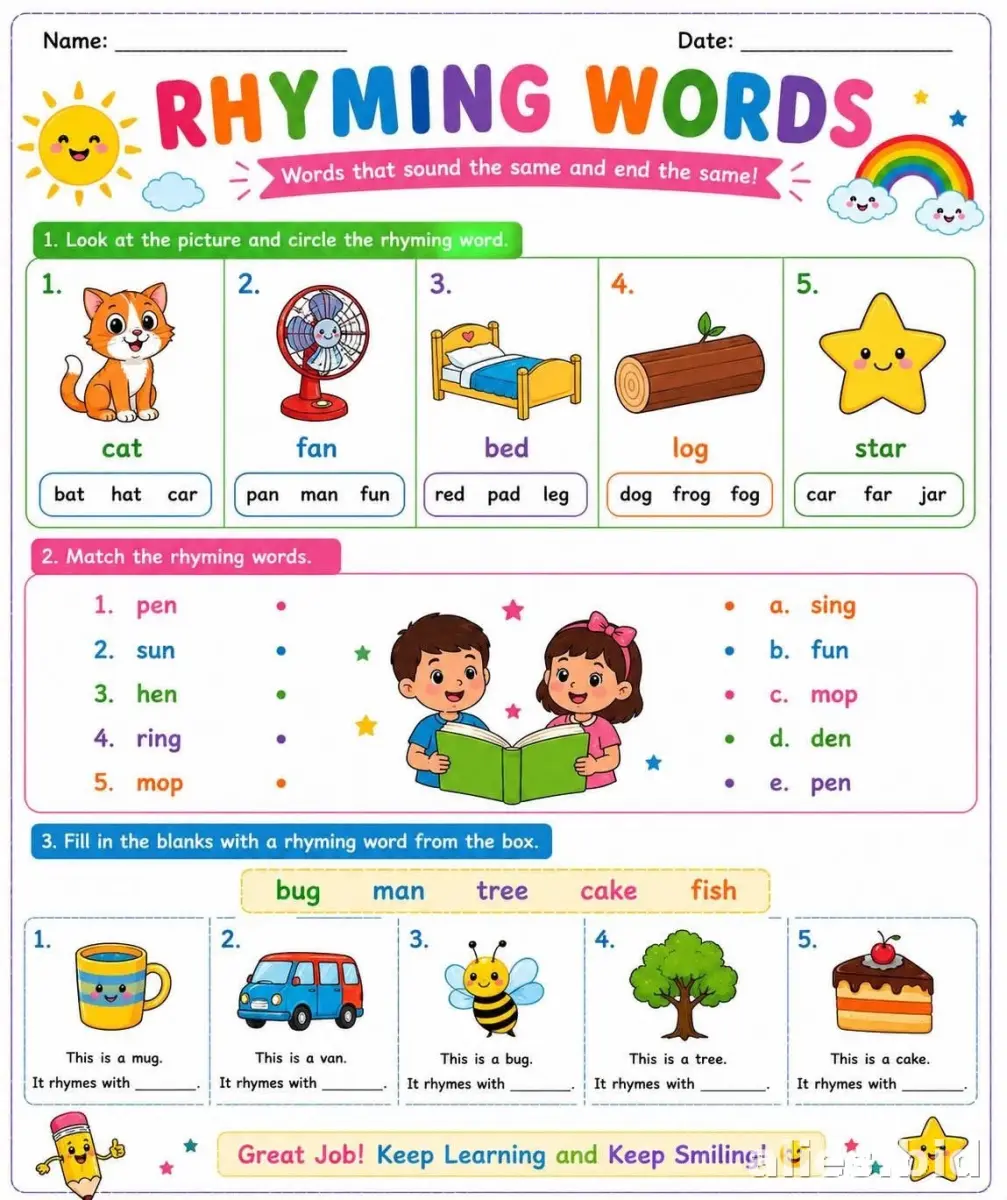
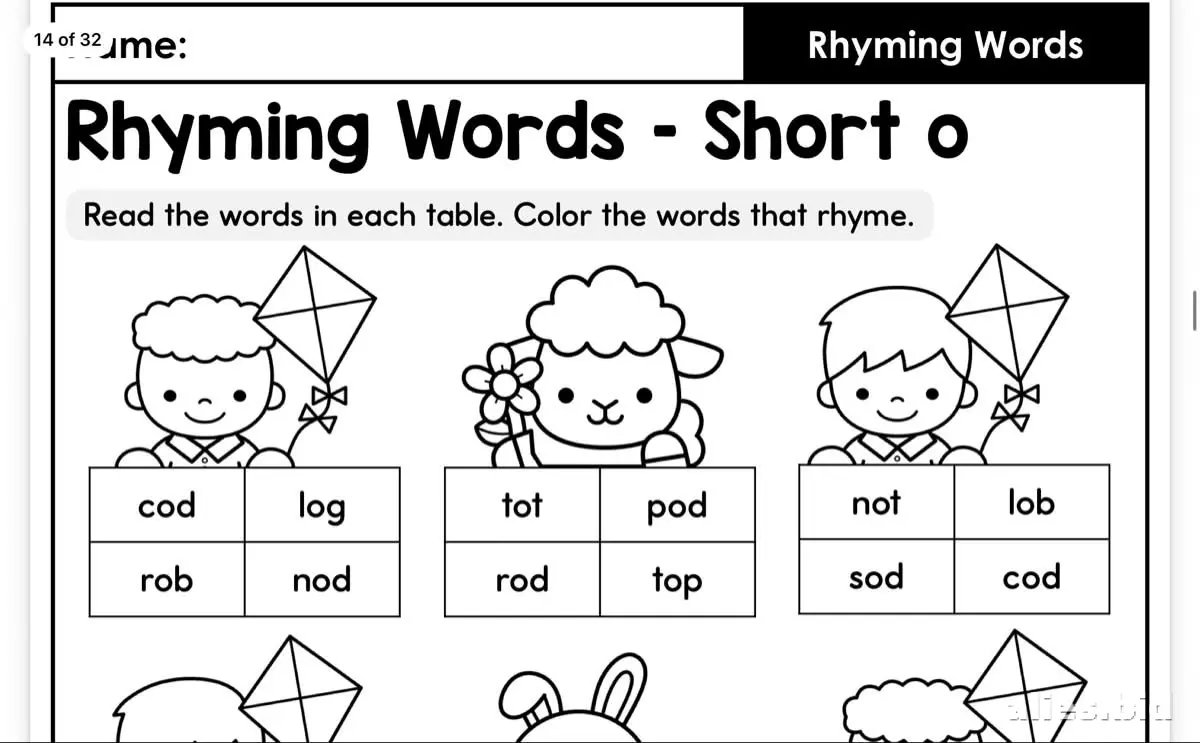
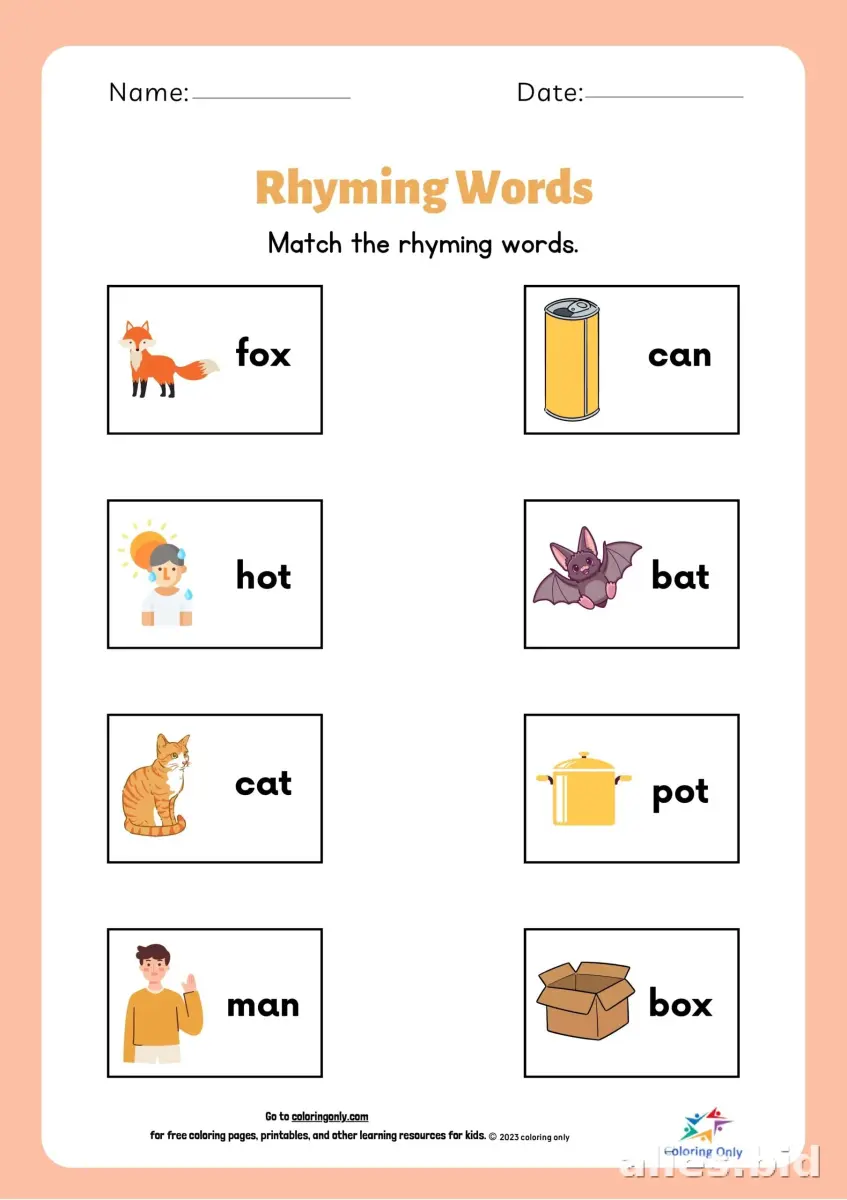
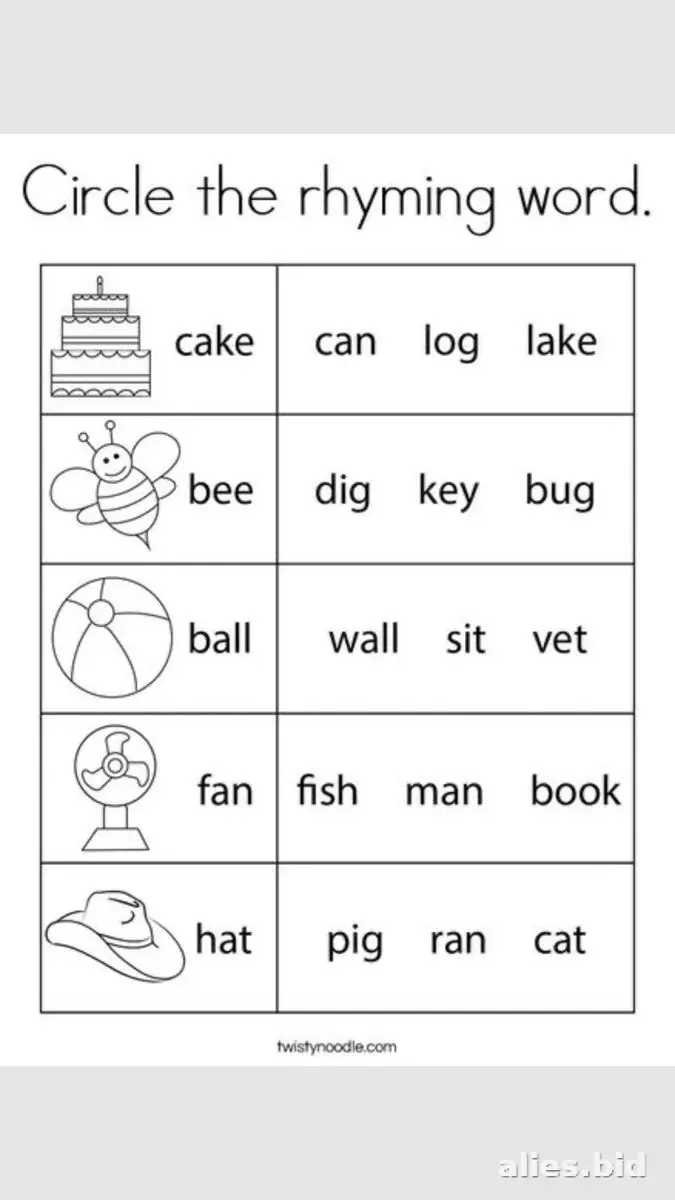
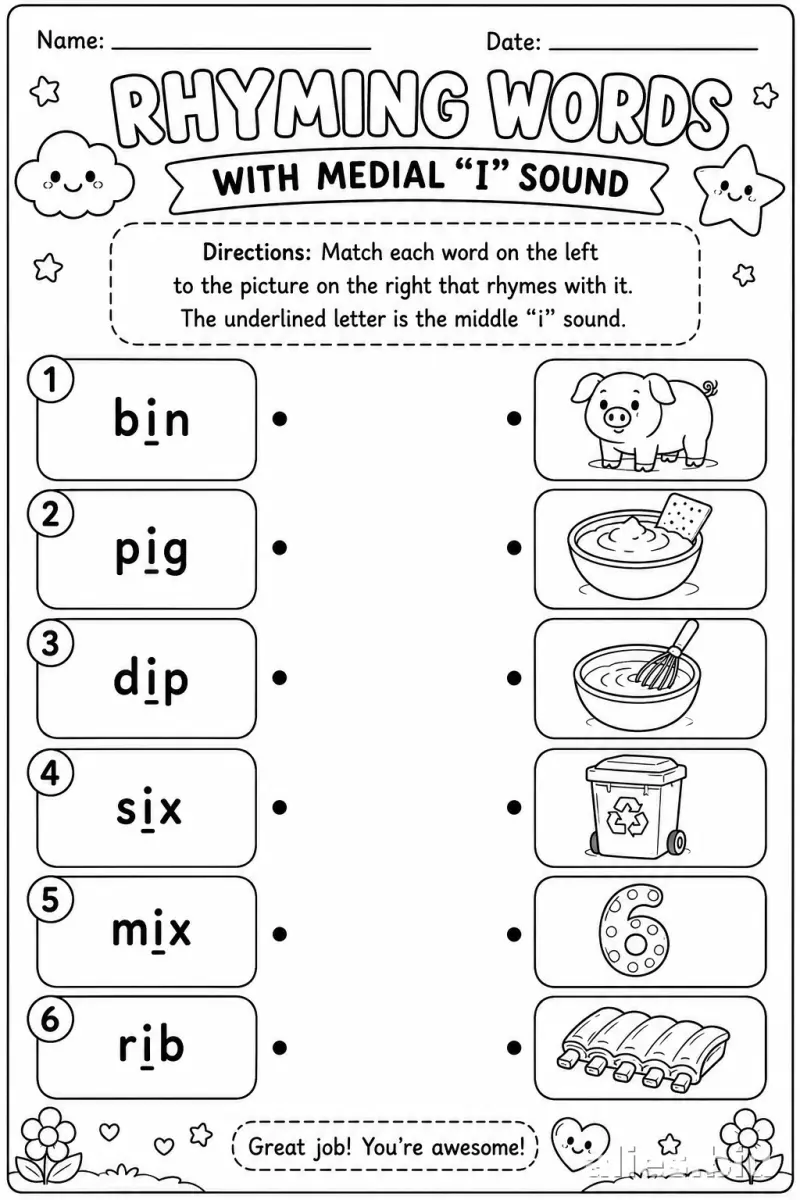
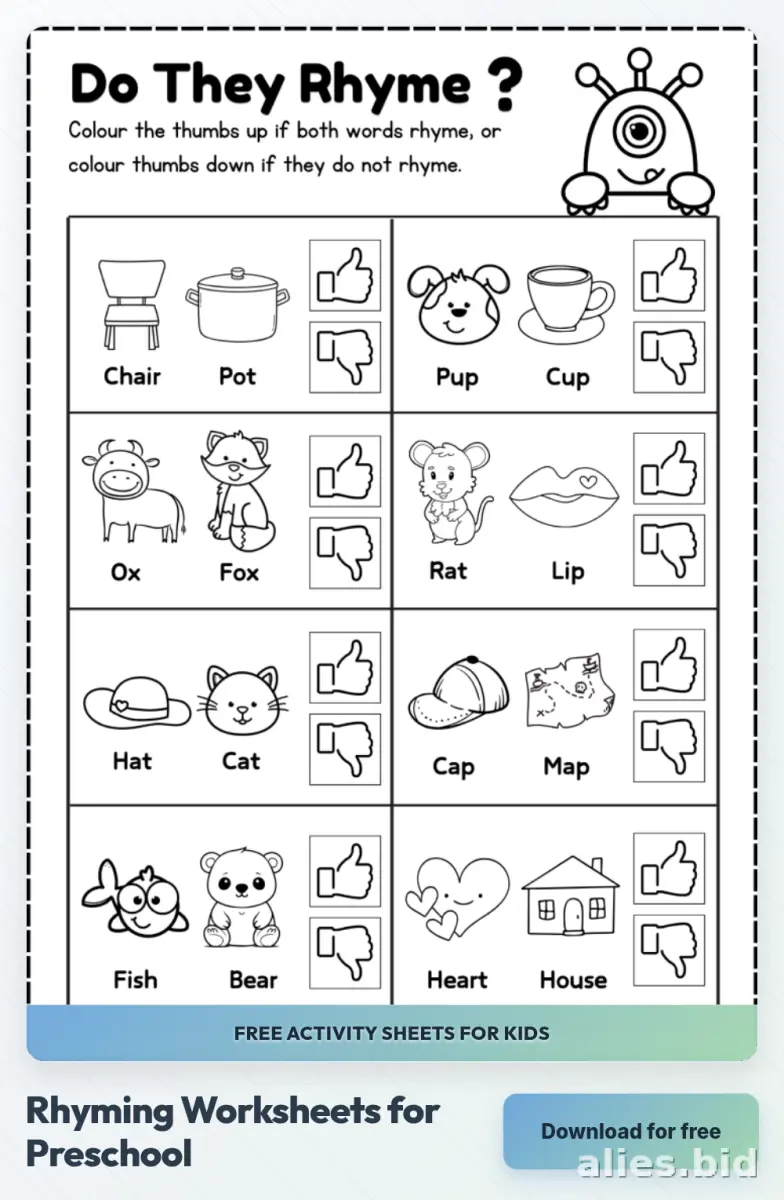
Rhyming words play a significant role in developing early literacy skills. When children engage with rhyming activities, they begin to notice patterns in spoken language, which enhances their phonological awareness. Phonological awareness refers to the ability to hear and manipulate the sounds in words, a critical skill for reading and spelling. By identifying rhyming pairs, such as "cat" and "hat," or "dog" and "log," kids start to understand that words can be broken down into smaller units like syllables and phonemes. This foundational knowledge makes it easier for them to decode unfamiliar words when they begin reading. In addition to supporting reading readiness, rhyming words also strengthen memory and language processing. Children who regularly work with rhymes tend to remember information better because rhyming structures create a sense of rhythm and predictability. For example, learning nursery rhymes or poems with rhyming lines helps kids recall the content more effectively. This benefit extends beyond language arts; it can aid in memorizing facts in other subjects as well. Teachers and parents can leverage this by using rhyming worksheets to reinforce lessons in a memorable way. Furthermore, rhyming fosters creativity and imagination. When children experiment with rhyming words, they begin to see language as something flexible and expressive. This realization encourages them to write their own rhymes, songs, or stories, which promotes a deeper connection with the written word. Whether through drawing, storytelling, or wordplay, rhyming words worksheets offer a platform for kids to explore their linguistic abilities in a supportive environment. These benefits highlight why rhyming should be a regular part of early childhood learning.Building Phonemic Awareness Through Rhyming
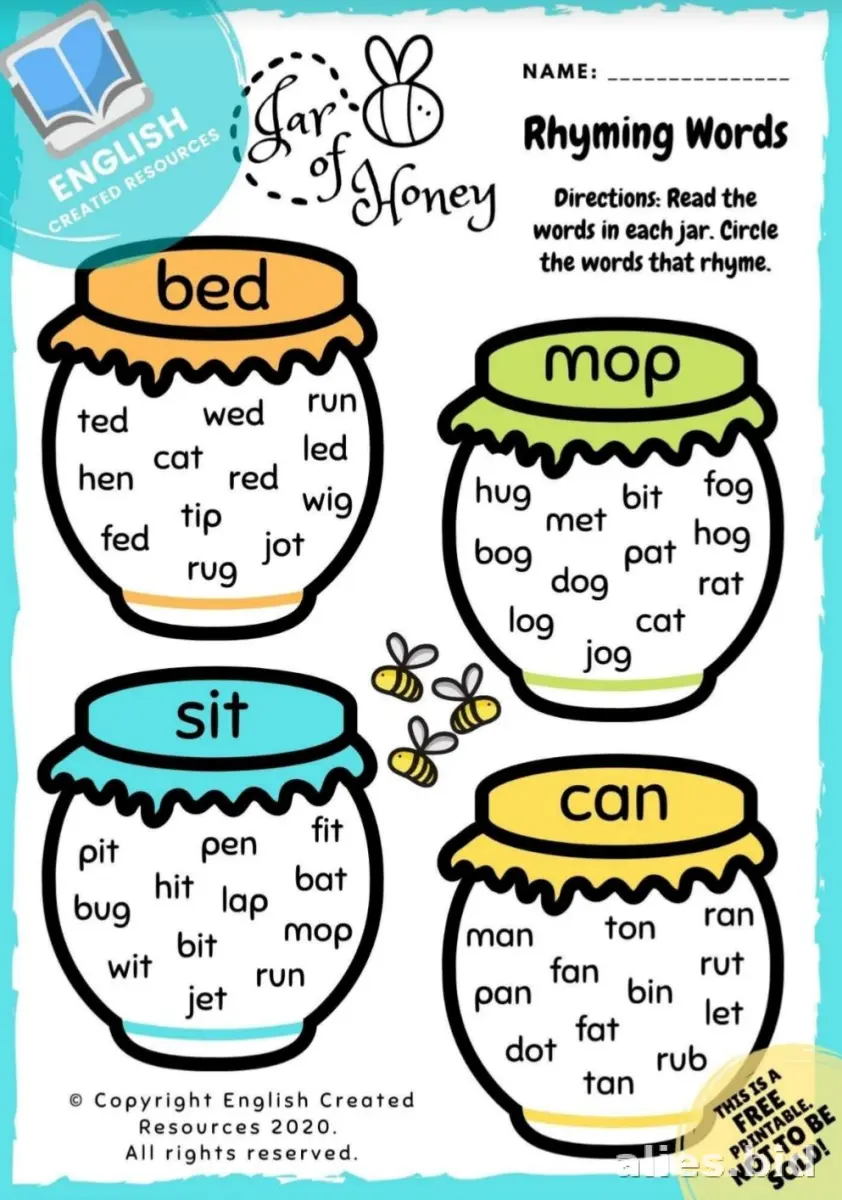
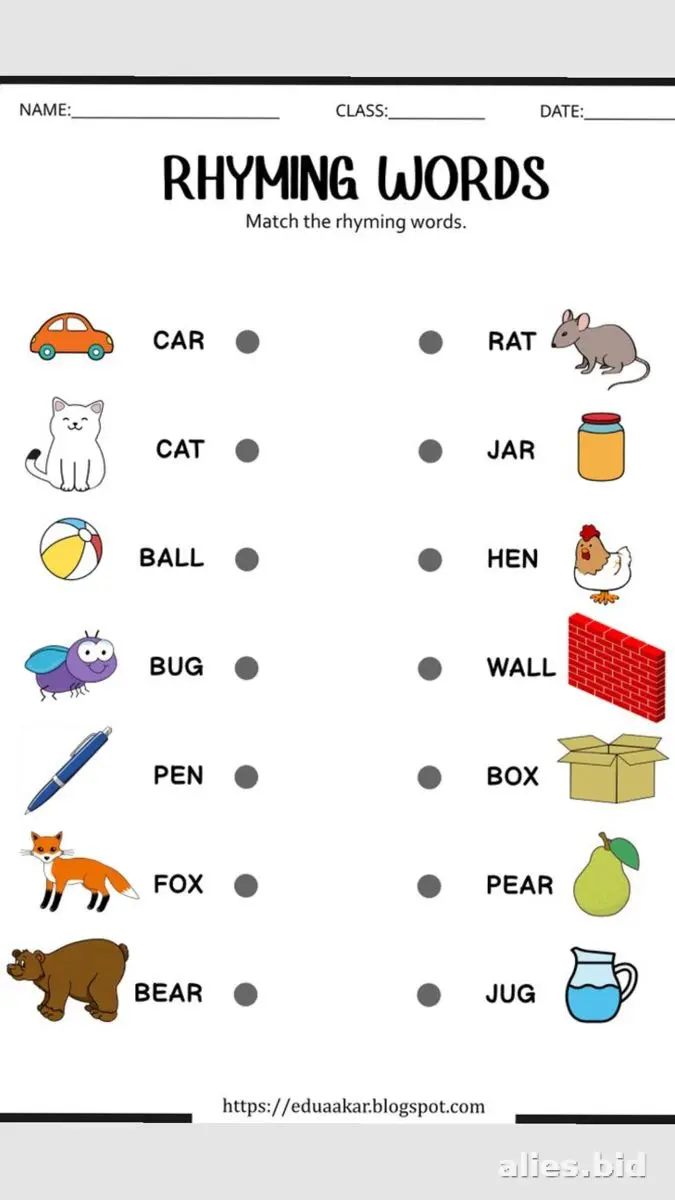
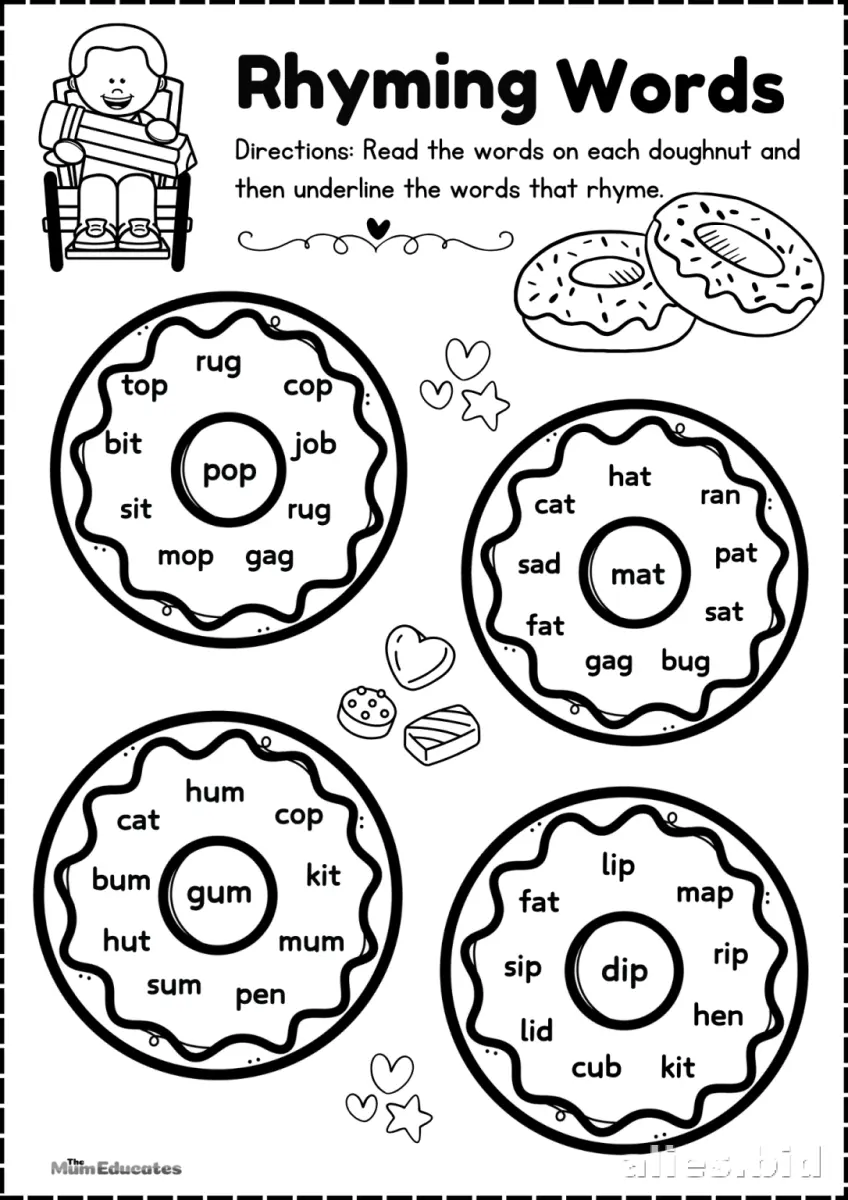
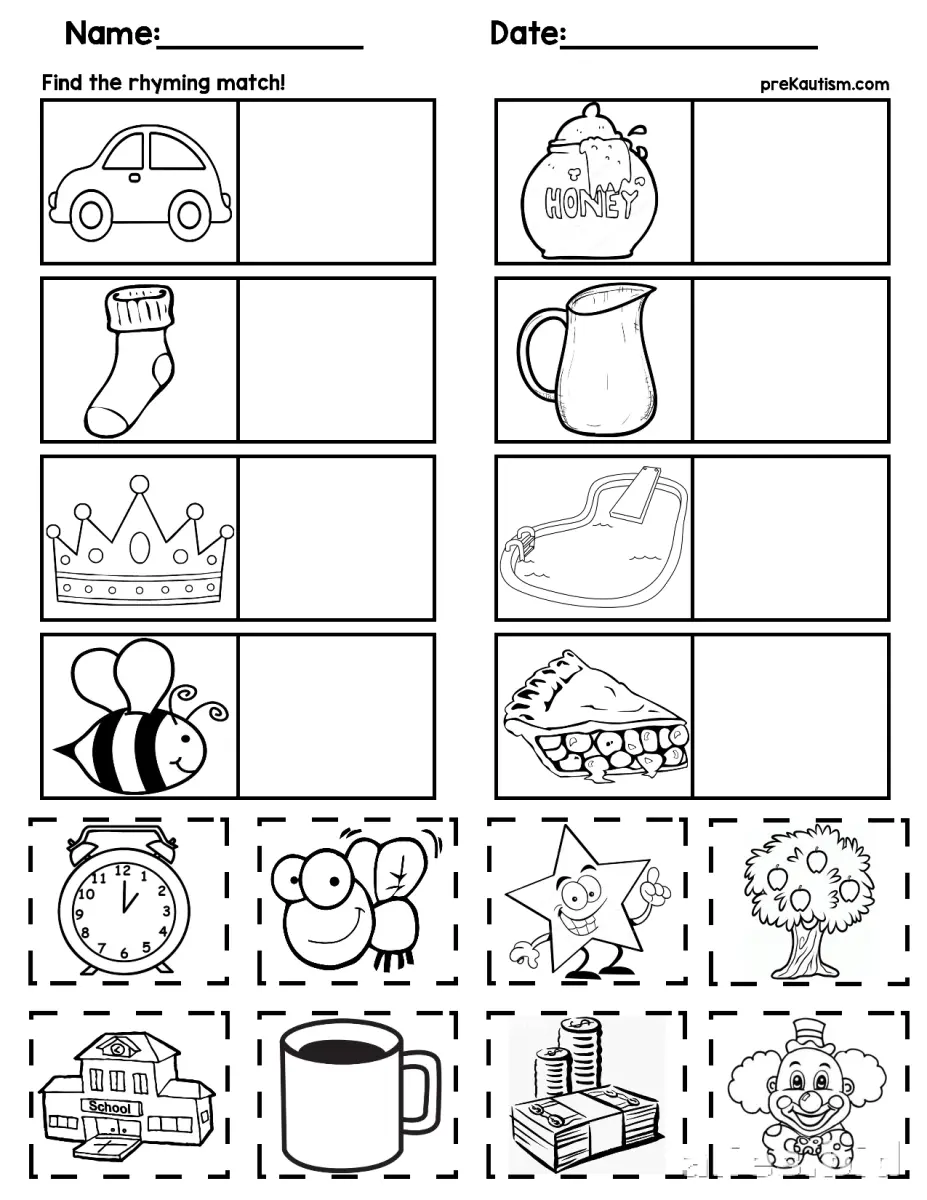
Phonemic awareness is the cornerstone of reading and writing, and rhyming words worksheets are a powerful tool for nurturing this skill. These worksheets encourage children to listen closely to the ending sounds of words, helping them distinguish between similar-sounding phonemes. For instance, comparing "ship" and "sheep" teaches them to recognize the difference between short and long vowel sounds. This kind of auditory discrimination is vital for sounding out new words and improving spelling accuracy. Activities like matching rhyming pairs or filling in missing letters in rhyming words require kids to focus on individual sounds within words. A worksheet might ask students to find the correct rhyme for "bug"—offering options like "hug," "rug," and "mug." As they complete these tasks, they practice segmenting and blending sounds, which are key components of phonemic awareness. Over time, this repeated exposure helps children internalize the rules of word formation, making reading feel more intuitive. Teachers and parents can further enhance phonemic awareness by combining rhyming worksheets with oral activities. Reading aloud rhyming stories or creating original rhymes together allows kids to apply what they’ve learned in real-time. These multisensory experiences reinforce the connections between sounds and letters, ensuring that phonemic awareness develops naturally. With consistent practice, children will not only recognize rhymes but also begin to create their own, building confidence in their language abilities.Enhancing Vocabulary Development
Rhyming words worksheets also serve as excellent tools for expanding a child's vocabulary. When students encounter new words through rhyming exercises, they are more likely to remember and incorporate them into their speaking and writing. For example, a worksheet may present the word "tree" and ask the child to list rhyming words like "bee," "free," or "key." In doing so, they learn multiple related words that share a common ending sound. This process introduces them to a wider range of vocabulary in a context that feels natural and engaging. Additionally, these worksheets often include visuals and examples that help clarify the meanings of unfamiliar terms. If a child is introduced to the word "glow" as a rhyme for "snow," the accompanying image or sentence can explain its usage. This visual and contextual reinforcement ensures that vocabulary growth isn’t limited to just recognizing rhymes but also understanding how to use the words correctly. As children explore various rhyming combinations, they begin to see how words function together, strengthening their overall language comprehension. Parents and educators can maximize the vocabulary-building potential of these worksheets by encouraging discussions around the words presented. After completing a matching activity, asking questions like “What do you know about the word ‘glove’?” or “Can you think of another word that rhymes with ‘cake’?” invites kids to reflect on their choices and expand their thinking. This active engagement turns passive learning into meaningful conversations, making vocabulary acquisition both fun and effective. With continued exposure to diverse rhyming words, children gradually enrich their language skills and become more confident communicators.Supporting Spelling and Word Recognition
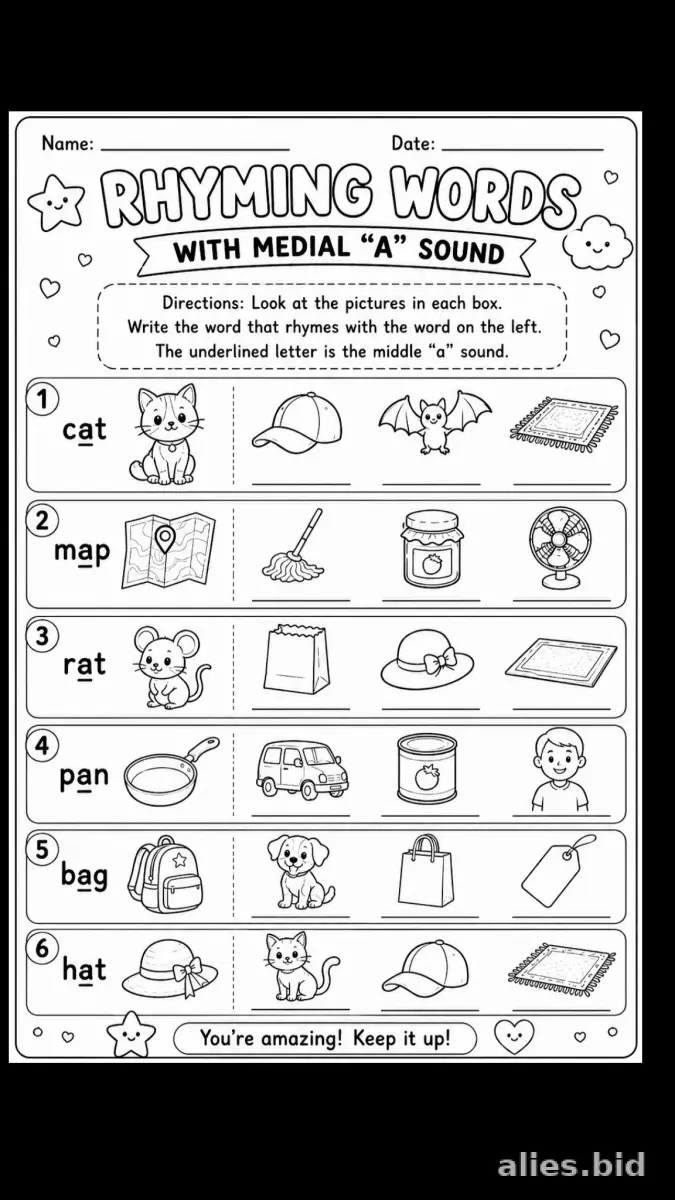
Rhyming words worksheets are invaluable for helping children improve their spelling and word recognition abilities. When students practice identifying and writing rhyming words, they become more familiar with common letter patterns and word endings. For example, recognizing that "cat," "bat," and "hat" all end with the same three letters reinforces the idea that certain combinations appear frequently in English. This familiarity builds a mental framework that makes spelling more predictable and less intimidating for young learners. Word recognition also benefits from rhyming practice because it encourages children to look for similarities between words. A worksheet that asks students to match "dog" with "log," "sog," and "cog" helps them notice how changing one letter can alter the meaning while maintaining the same ending sound. This pattern recognition is especially helpful when kids encounter unfamiliar words. Instead of struggling to spell each word from scratch, they can use their knowledge of rhymes to guess possible endings or check their work for consistency. To make the most of these worksheets, educators and parents should guide children through the process of analyzing word structures. Pointing out the root words and the variations in beginning letters can help kids understand how words are built. Encouraging them to read the words aloud reinforces the connection between spelling and pronunciation. Over time, this combination of visual, auditory, and kinesthetic learning strengthens their ability to spell accurately and recognize words quickly, laying the groundwork for more advanced reading and writing skills.Encouraging Creative Writing and Expression
One of the most exciting aspects of rhyming words worksheets is their ability to spark creativity in young writers. These resources provide a structured yet open-ended space where children can experiment with language and express themselves in unique ways. By offering prompts like “Write a short poem using these rhyming words” or “Create a story that ends with a rhyming couplet,” worksheets challenge kids to think beyond basic word identification and engage with the artistic side of writing. Creative writing activities based on rhyming words also help children develop a sense of rhythm and flow. They learn how to arrange words in a way that feels musical and satisfying to read aloud. This skill is particularly useful when they write songs, riddles, or tongue twisters—genres that rely heavily on rhyming and repetition. A worksheet might ask students to come up with a silly sentence using "cake" and "snake," leading to imaginative responses like “The snake ate my cake in one bite!” or “I baked a cake with no fruit.” These kinds of exercises nurture originality and boost confidence in self-expression. Moreover, rhyming worksheets can be tailored to reflect a child's interests. If a student loves animals, a teacher or parent could design an activity around animal-related rhymes, such as “The cow jumps over the moon” or “A frog sat on a log.” Personalized content increases engagement and motivation, making it more likely that children will enjoy the writing process. As they practice forming rhymes and crafting their own stories, kids not only refine their language skills but also discover the joy of creating something entirely their own.Promoting Listening and Speaking Skills
Rhyming words worksheets are also instrumental in promoting listening and speaking skills among young learners.