---
Handwriting is a foundational skill that plays a crucial role in a child’s academic and personal development. For kindergarteners, it's more than just learning to form letters—it's about building fine motor skills, hand-eye coordination, and cognitive abilities. As educators and parents, we understand the importance of creating a strong foundation in early childhood education, and handwriting practice sheets are an essential tool in this journey. These
worksheets not only help children recognize and write letters but also encourage patience, perseverance, and creativity. With the right approach, handwriting can become an enjoyable activity that fosters confidence and self-expression in young learners.
In today’s digital age, where screens dominate much of children’s time, it's more important than ever to encourage traditional pen-and-paper activities. Handwriting practice sheets offer a tangible way for kids to connect with their learning, promoting deeper engagement and retention. Whether you're a teacher looking for classroom resources or a parent seeking ways to support your child at home, this guide will provide you with practical advice on selecting and using effective handwriting practice sheets. From choosing the right
worksheets to incorporating fun activities, we’ll explore everything you need to know to make handwriting practice both productive and enjoyable for your kindergarten students.
Why Handwriting Practice Matters for Kindergarten Students
Handwriting is not just about forming letters correctly—it's a complex skill that involves multiple areas of brain development. When kindergarteners engage in handwriting practice, they are not only learning to write but also strengthening their fine motor skills, visual perception, and cognitive functions. Each stroke of the pen helps improve hand-eye coordination, which is essential for tasks like buttoning clothes, tying shoelaces, and even playing musical instruments later in life. Moreover, research suggests that the physical act of writing by hand enhances memory and comprehension, making it a valuable tool for early learning.
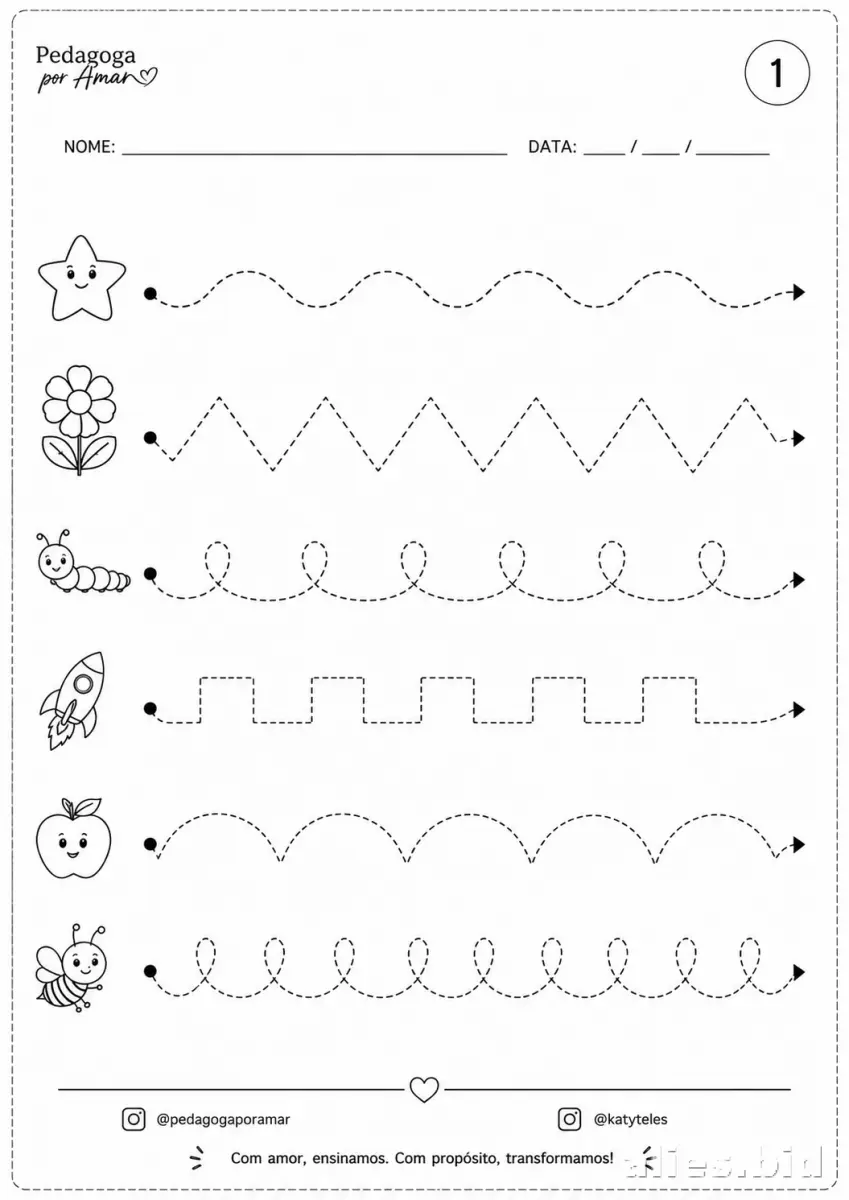
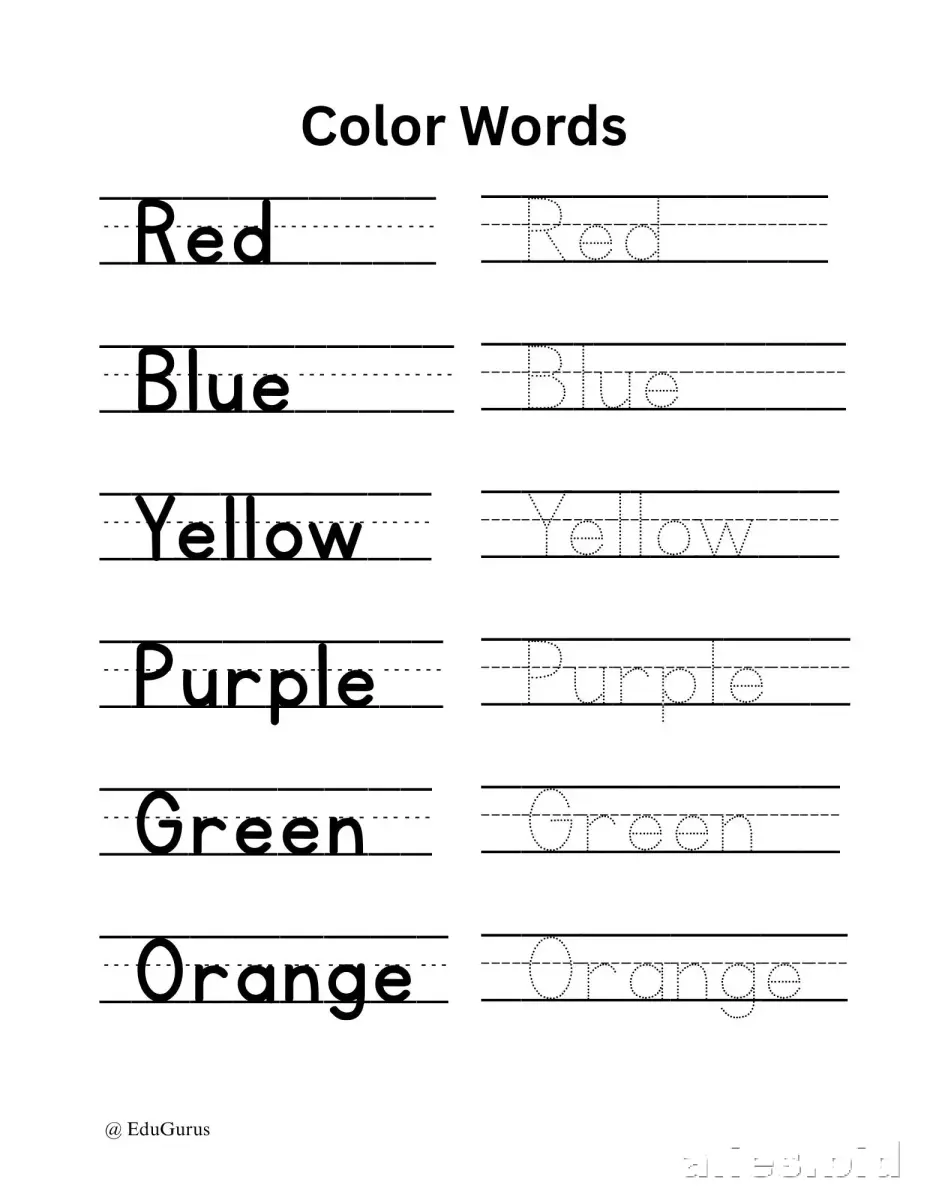
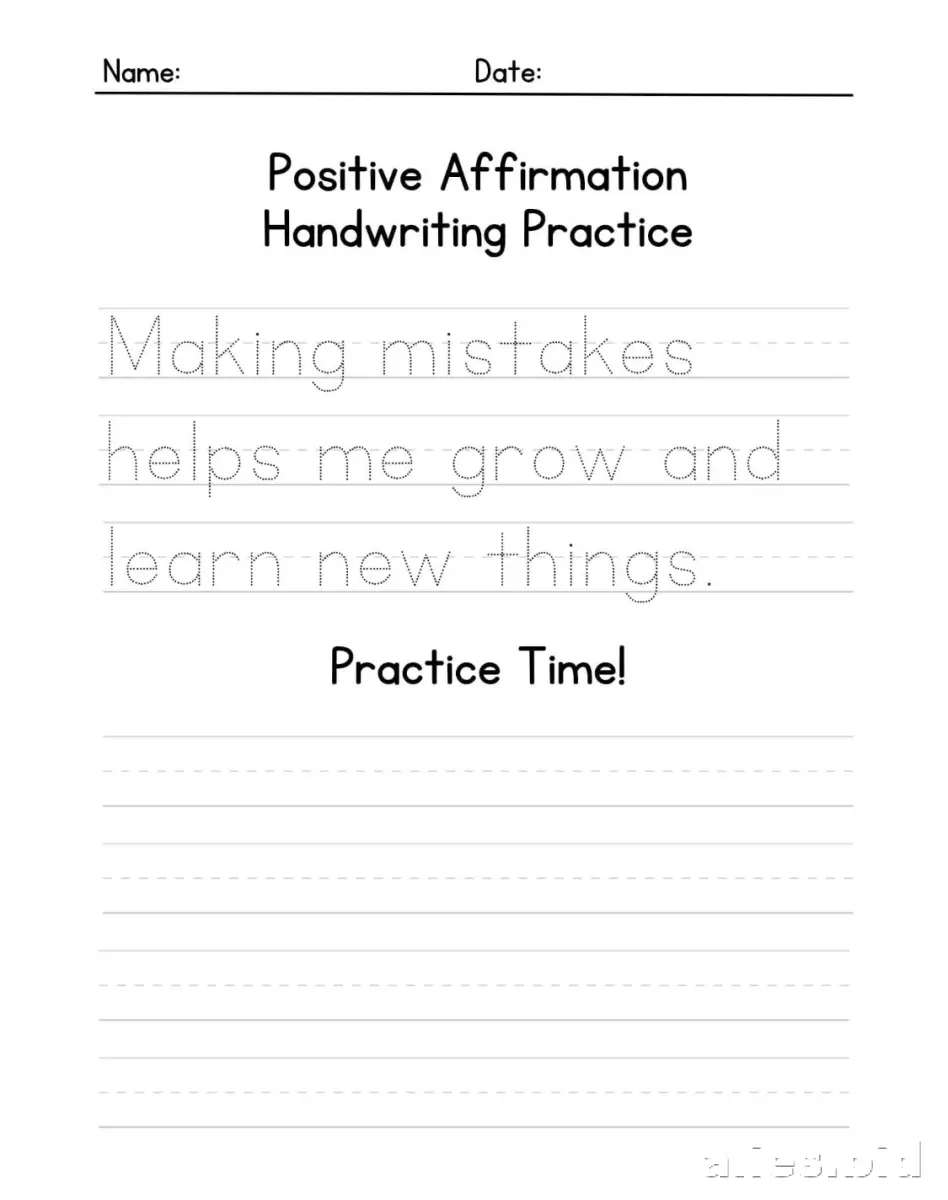
For young learners, handwriting practice sheets serve as structured guides that introduce them to letter formation, spacing, and directionality. These
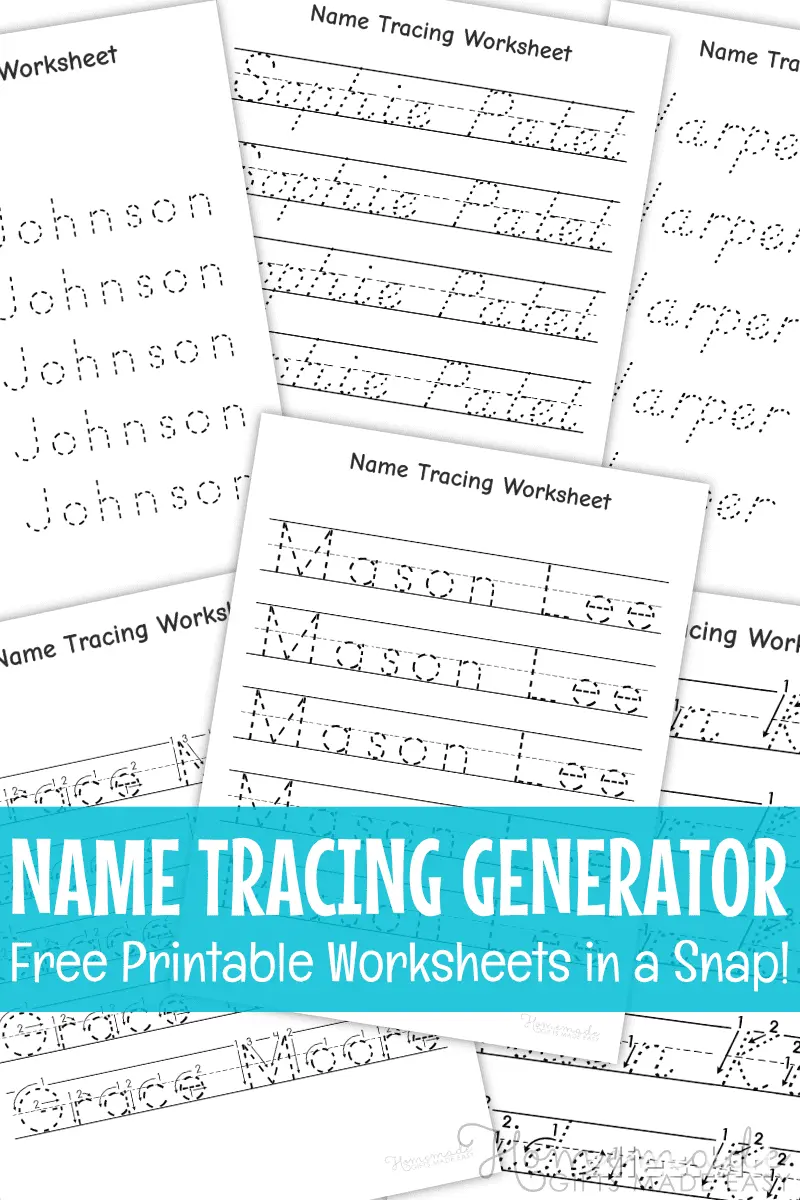
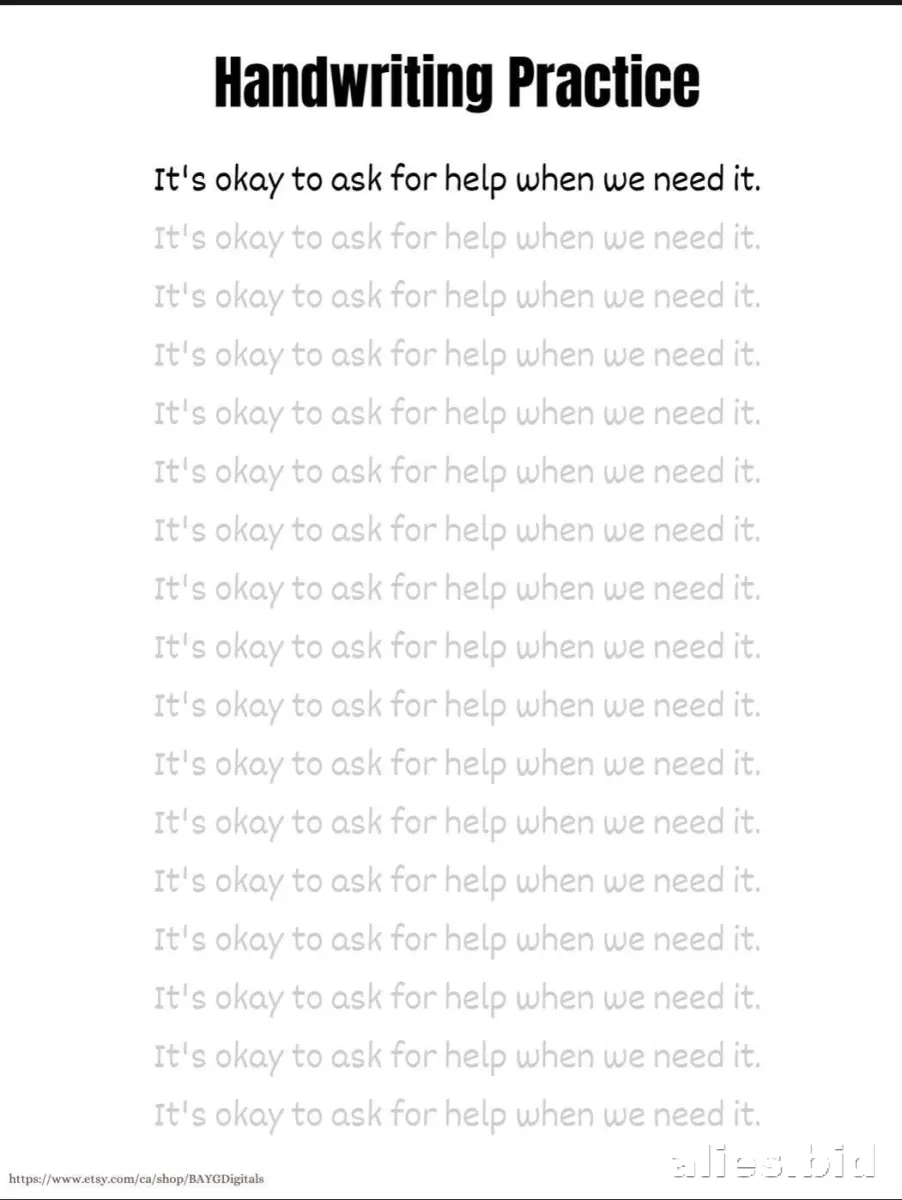
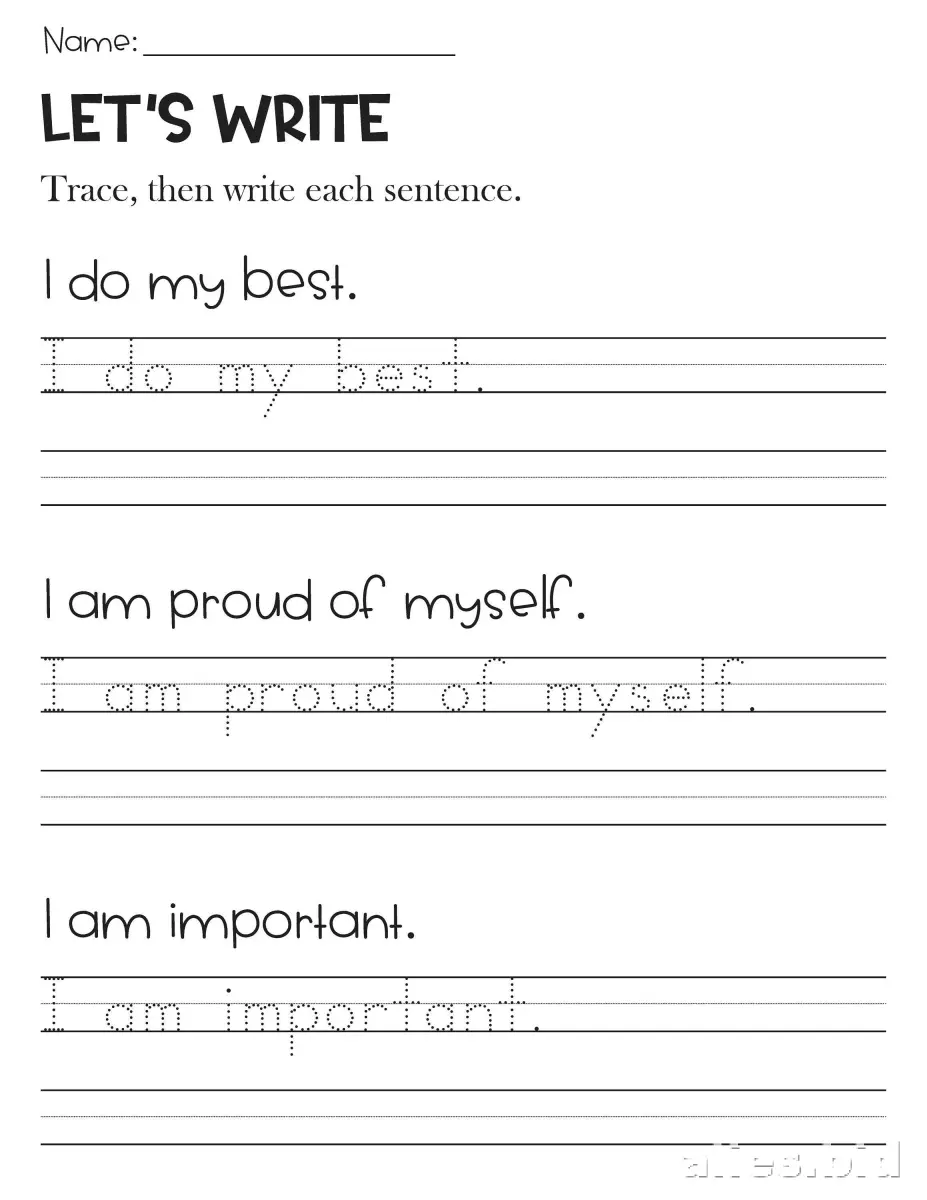
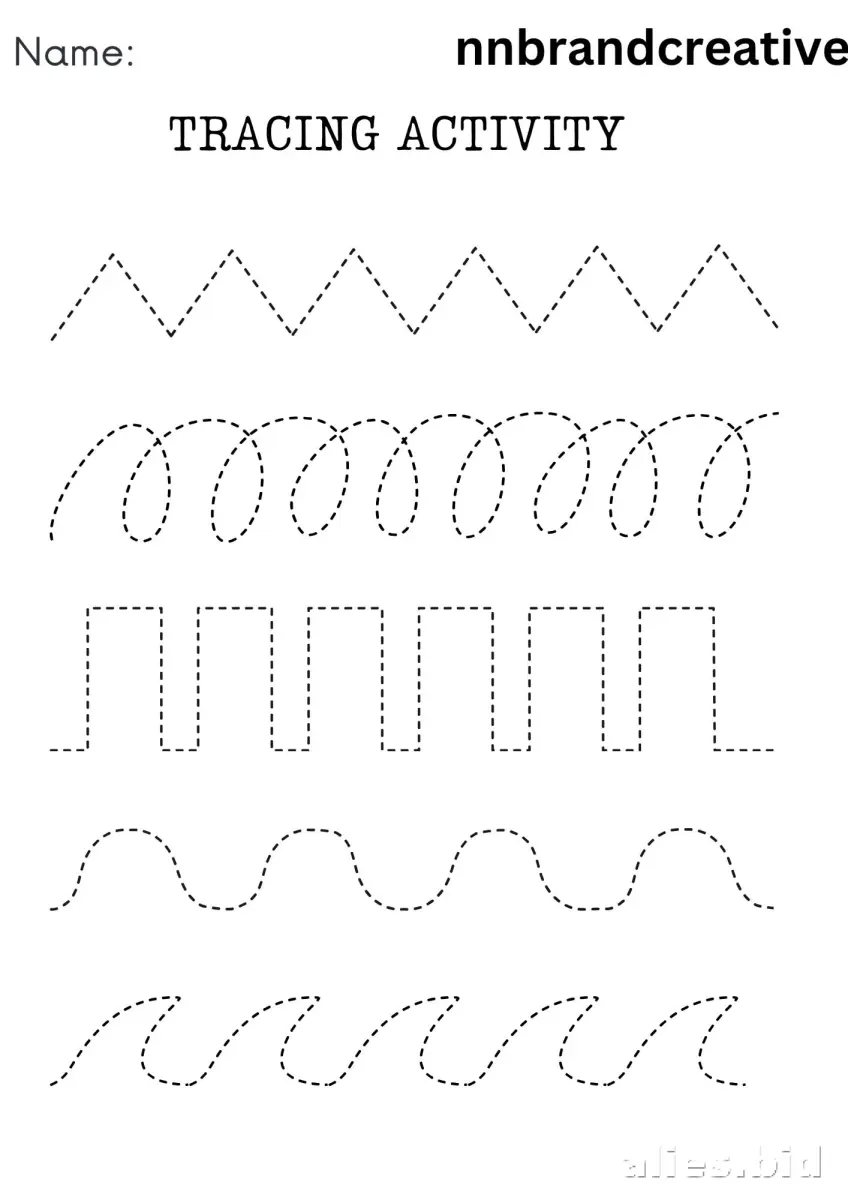
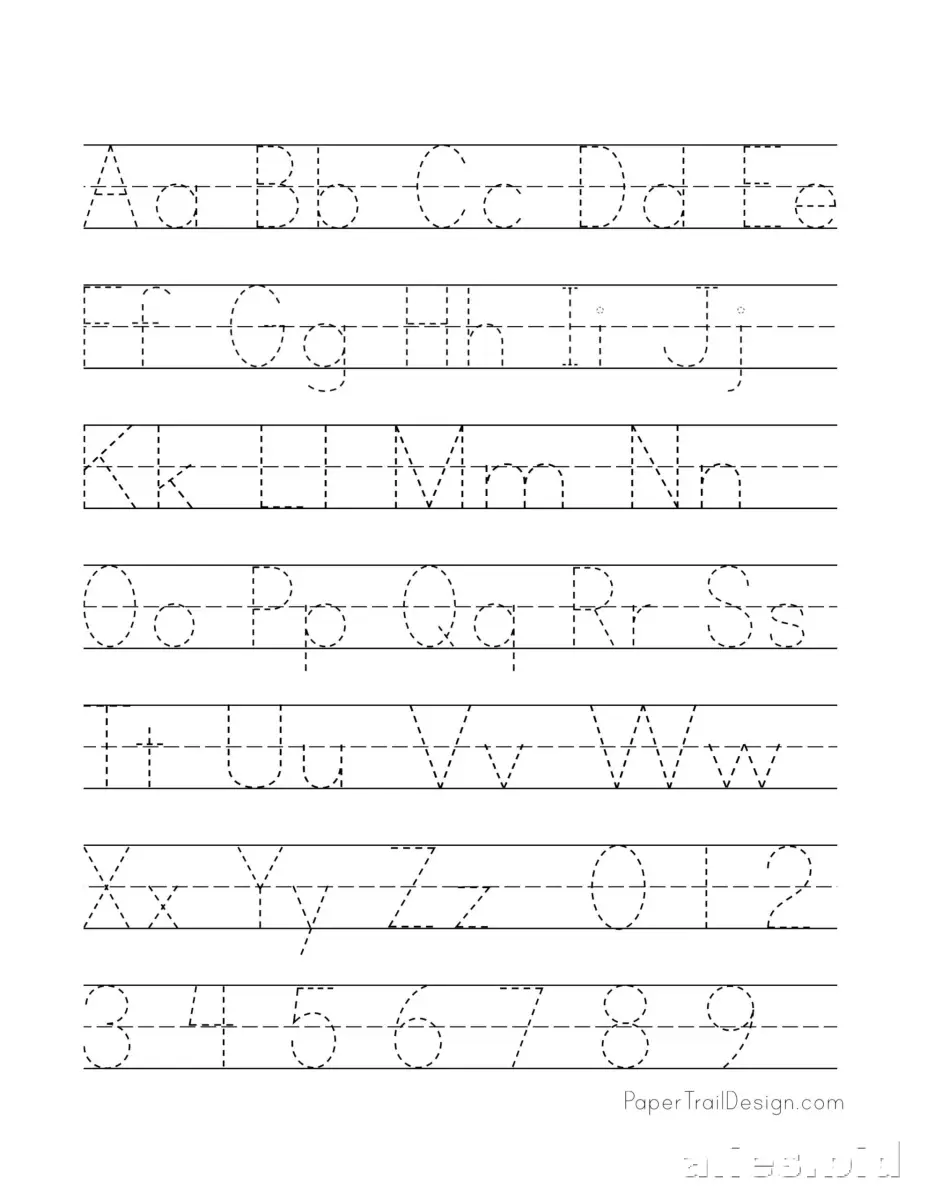
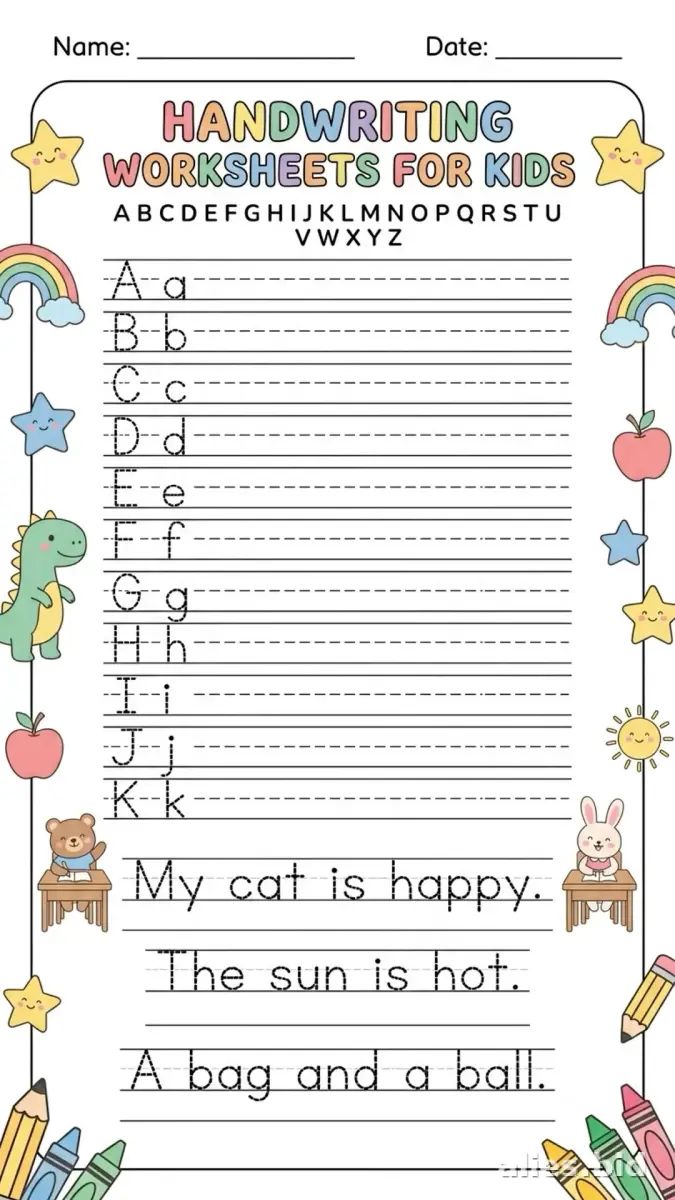
worksheets often include tracing exercises, dotted lines, and guided writing spaces that allow children to build confidence gradually. As they move from tracing to independent writing, they develop muscle memory and control over their writing tools. This progression is vital because it lays the groundwork for future academic success, including reading, spelling, and note-taking.
Parents and teachers play a pivotal role in fostering a positive attitude toward handwriting. By providing consistent opportunities for practice and celebrating small achievements, we can help children view handwriting as a fun and rewarding activity rather than a chore. Remember, every child develops at their own pace, so patience and encouragement are key. With the right support, handwriting practice can become a cherished part of a child's early education journey.
Choosing the Right Handwriting Practice Sheets for Kindergarten
Selecting the appropriate handwriting practice sheets for kindergarteners is crucial to ensuring their success and engagement. The right worksheets should be age-appropriate, visually appealing, and designed to build foundational skills without overwhelming young learners. When choosing materials, consider the following factors:
-
Developmental Appropriateness: Look for worksheets that align with the developmental stage of kindergarteners. These should focus on uppercase and lowercase letter recognition, basic shapes, and simple words. Avoid overly complex tasks that may discourage young learners.
-
Visual Appeal: Bright colors, engaging illustrations, and clear instructions can make handwriting practice more enjoyable for children. Choose sheets that are visually stimulating to maintain their interest and motivation.
-
Variety of Activities: A mix of tracing, copying, and free-writing exercises can help reinforce different aspects of handwriting. Including themed worksheets (e.g., animals, seasons, or holidays) can add an element of fun while keeping the content relevant.
-
Progressive Difficulty: Start with simpler tasks, such as tracing dotted letters, and gradually introduce more challenging activities like writing full names or short sentences. This step-by-step approach helps build confidence and mastery over time.
By carefully selecting handwriting practice sheets that match the needs and interests of your students, you can create a positive and effective learning environment. Remember, the goal is not perfection but progress. Encourage children to take their time and celebrate each small achievement along the way.
Incorporating Fun into Handwriting Practice
Making handwriting practice enjoyable is essential for keeping kindergarteners engaged and motivated. When children associate writing with fun, they are more likely to develop a positive attitude toward learning. Here are some creative strategies to turn handwriting into an exciting activity:
-
Themed Worksheets: Use worksheets based on themes like animals, space, or holidays. These topics are familiar and interesting to young children, making the practice feel less like a task and more like play.
-
Interactive Games: Turn handwriting into a game by setting up challenges or races. For example, have students race to trace letters or complete a worksheet first. Adding a timer or a reward system can make the experience more dynamic.
-
Hands-On Activities: Combine handwriting with sensory experiences. Use playdough to form letters, draw letters in sand, or write with crayons on textured paper. These tactile activities help reinforce letter shapes and improve fine motor skills.
-
Story Writing: Encourage creativity by having students write simple stories or sentences about their favorite things. This not only improves handwriting but also promotes language development and imagination.
-
Music and Movement: Pair handwriting practice with songs or rhymes that teach letter sounds. Children can trace letters while singing or move their bodies to mimic the strokes of each letter. This multisensory approach enhances learning and retention.
By incorporating these fun elements into handwriting practice, educators and parents can create a more engaging and effective learning experience for kindergarteners. Remember, the goal is to foster a love for writing that will carry through their educational journey.
Supporting Handwriting Development at Home
Supporting handwriting development at home is a powerful way to reinforce what children learn in the classroom. Parents play a critical role in nurturing early writing skills, and with the right strategies, they can create a supportive and encouraging environment. One of the most effective ways to do this is by incorporating regular handwriting practice into daily routines. Setting aside a few minutes each day for focused writing activities can help children build consistency and confidence.
To make handwriting practice at home more engaging, parents can use a variety of tools and techniques. For example, using different writing utensils such as crayons, markers, or pencils can keep the activity fresh and interesting. It's also helpful to choose worksheets that are tailored to the child's current skill level, ensuring that they are neither too easy nor too challenging. Parents can start with tracing exercises and gradually introduce more complex tasks like writing their name or simple words.
Another key aspect of supporting handwriting at home is creating a comfortable and distraction-free workspace. Providing a dedicated area for writing, with proper lighting and a sturdy surface, can help children focus better. Additionally, parents should model good handwriting habits by writing alongside their children or discussing the importance of neatness and organization. Praise and encouragement are essential, as they help build a positive mindset around writing.
Finally, integrating handwriting into everyday activities can make the practice more meaningful. For instance, asking children to write grocery lists, draw pictures, or label items around the house can help them see the practical value of writing. By combining fun, structure, and encouragement, parents can effectively support their child's handwriting development and lay a strong foundation for future academic success.
Creating a Structured Handwriting Routine for Success
Establishing a structured handwriting routine is essential for helping kindergarteners develop consistent writing skills. A well-planned routine provides children with the necessary guidance, repetition, and reinforcement to build confidence and proficiency. To create an effective routine, start by setting specific times during the day when handwriting practice occurs. Whether it's after breakfast, before bedtime, or during quiet time, consistency helps children form a habit and stay engaged.
Begin each session with a warm-up activity to prepare their hands and minds for writing. Simple exercises like finger stretches, tracing patterns in the air, or using playdough to form letters can help improve fine motor skills and hand strength. Once warmed up, introduce a handwriting worksheet that matches the child’s current skill level. Start with tracing exercises, allowing them to follow dotted lines and gradually move to copying letters independently.
It's important to keep each session short and focused, ideally lasting between 10 to 20 minutes. Young children have limited attention spans, so it's better to practice in brief, frequent intervals rather than long, drawn-out sessions. After completing a worksheet, take a moment to review the work together. Highlight any improvements and offer gentle feedback to encourage continued progress.
To make the routine more engaging, vary the types of activities and materials used. Rotate between tracing, copying, and free-writing exercises, and incorporate different textures or tools, such as sandpaper letters or textured paper. This variety keeps the practice interesting and prevents boredom. By maintaining a structured yet flexible routine, parents and teachers can help children develop strong handwriting skills in a positive and motivating environment.
Encouraging Independence in Handwriting Practice
Encouraging independence in handwriting practice is crucial for helping kindergarteners take ownership of their learning. While guidance and support are important, allowing children to attempt tasks on their own fosters confidence and problem-solving skills. Start by offering clear instructions and demonstrating the correct way to form letters, then gradually give them more autonomy to try it themselves. This approach helps build their ability to think critically and apply what they've learned.
One effective way to promote independence is by allowing children to choose their own handwriting worksheets or themes. Giving them options can increase their motivation and engagement, as they feel more in control of