First-grade students are at a pivotal stage in their mathematical journey as they transition from basic counting to more complex operations like subtraction. Introducing subtraction
worksheets at this stage is crucial for building a solid foundation in arithmetic. These
worksheets not only reinforce learning but also make the process enjoyable and interactive. Whether you're a teacher looking to supplement your curriculum or a parent eager to support your child's education at home, this guide offers valuable insights into effective subtraction worksheet usage.
Understanding the Importance of Subtraction in 1st Grade
Subtraction is one of the four fundamental arithmetic operations, alongside addition,
multiplication, and division. For 1st graders, mastering subtraction involves understanding the concept of taking away or finding the difference between two numbers. This skill is foundational for solving more advanced mathematical problems in future grades. By using subtraction worksheets, educators can provide students with repeated practice, which is essential for skill mastery.
Key Concepts Introduced in 1st Grade Subtraction
-
Basic Subtraction Facts: Learning to subtract numbers up to 10.
-
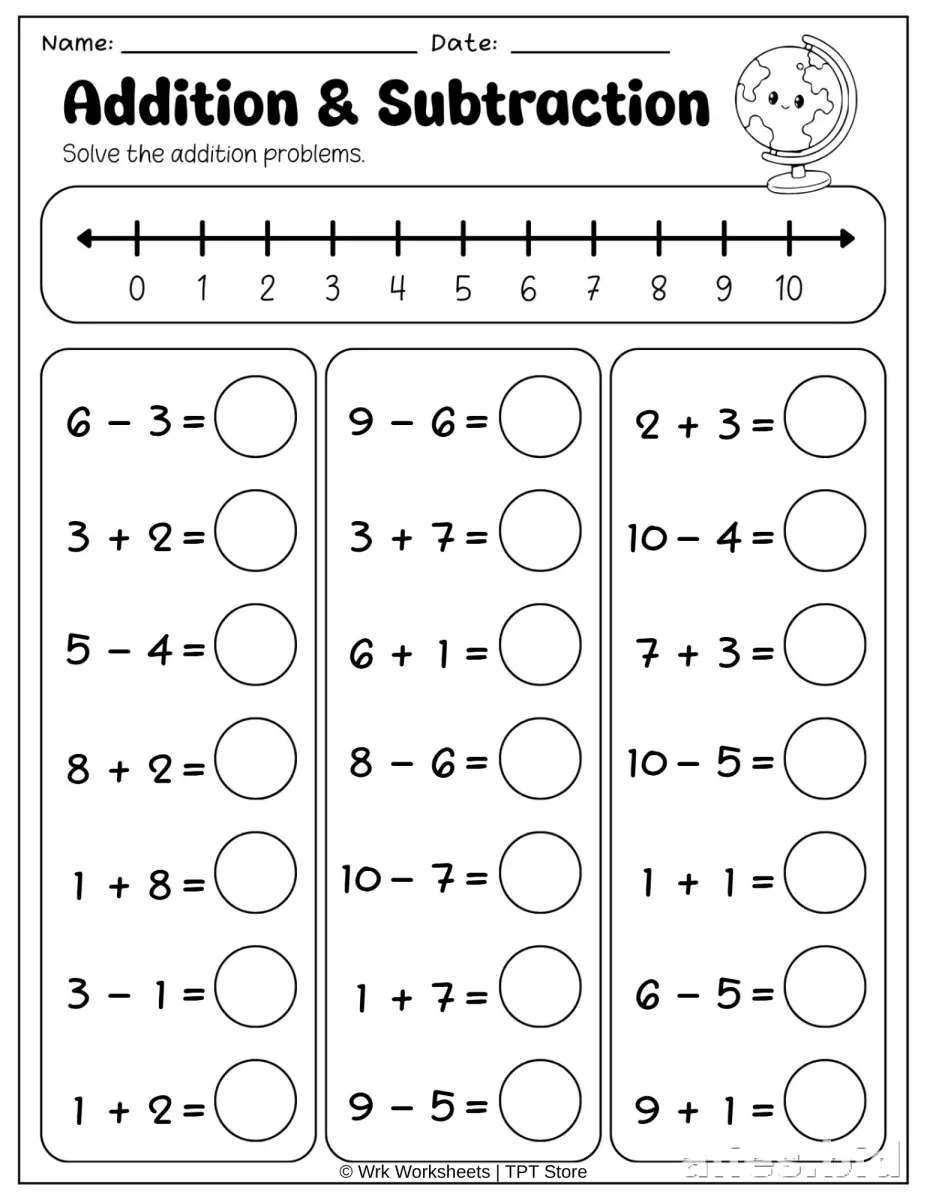
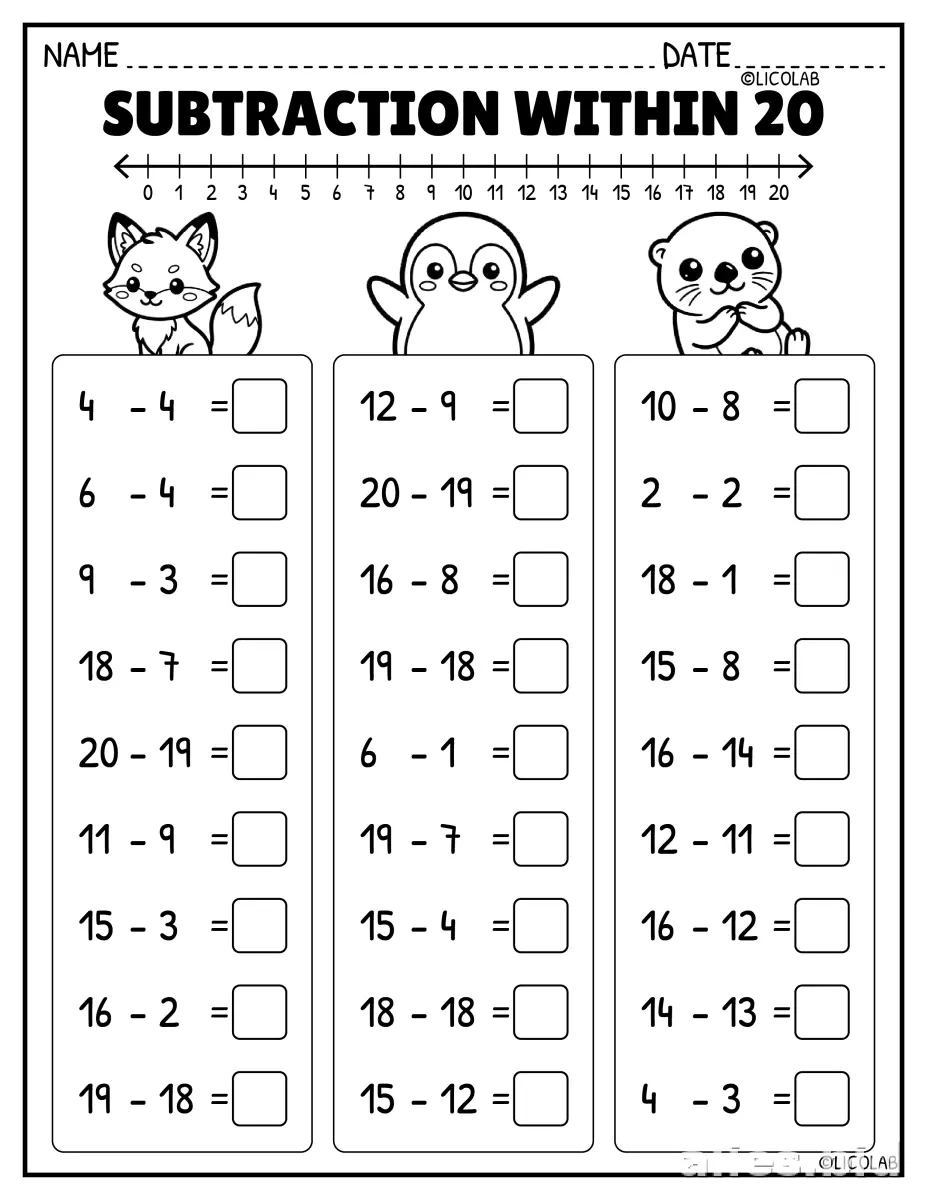
Number Line Usage: Using number lines to visualize subtraction.
-
Word Problems: Solving simple word problems that involve subtraction.
-
Mental Math Strategies: Developing strategies for quick mental calculations.
Types of Subtraction Worksheets for 1st Graders
Effective subtraction worksheets come in various formats, catering to different learning styles and abilities. Here are some popular types:
-
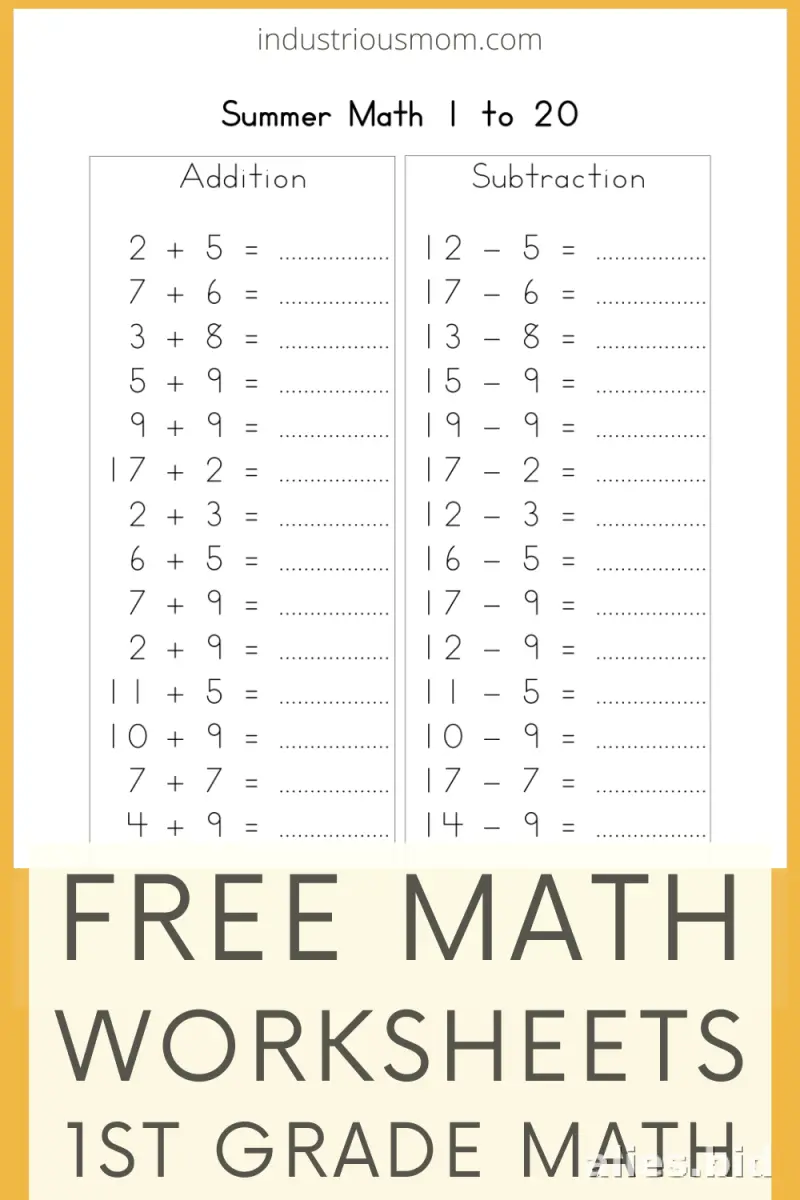
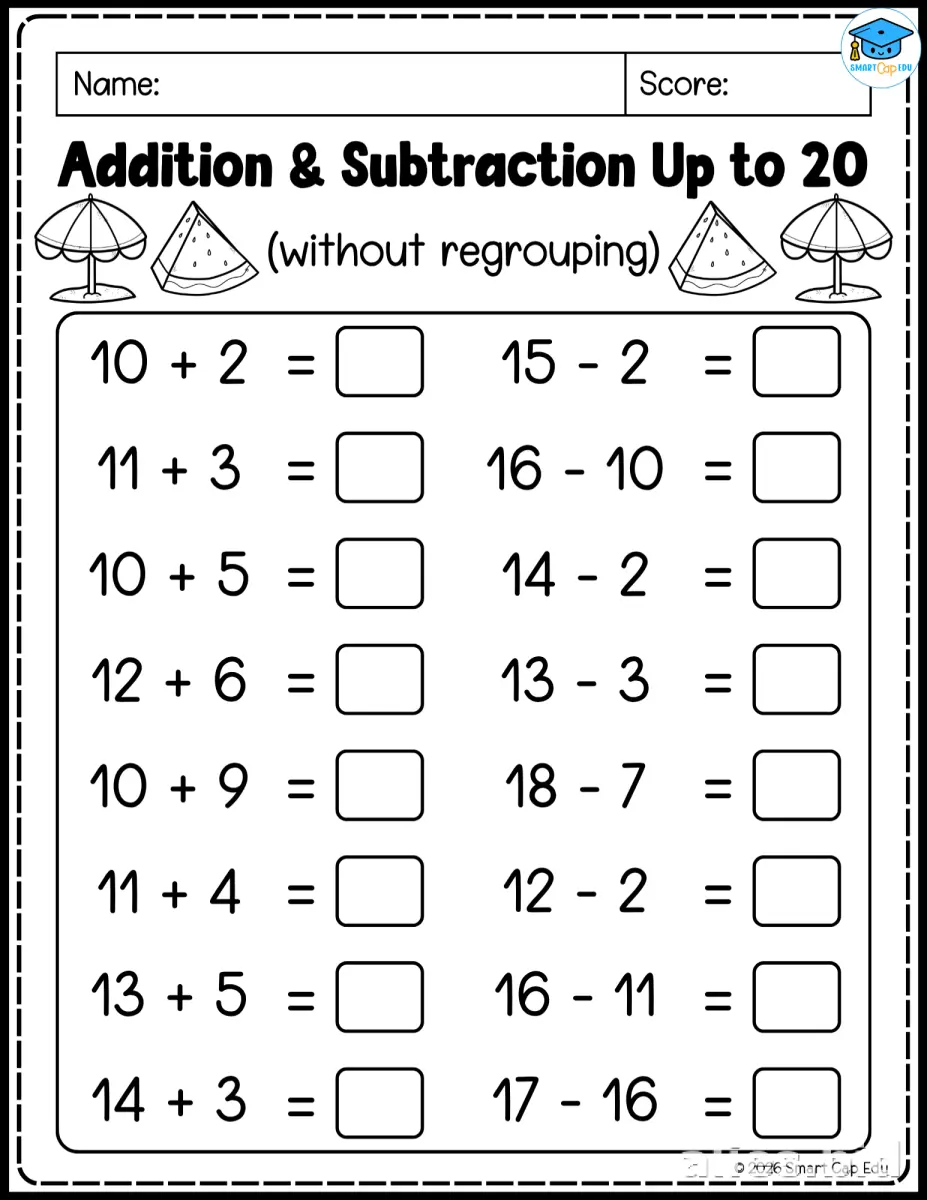
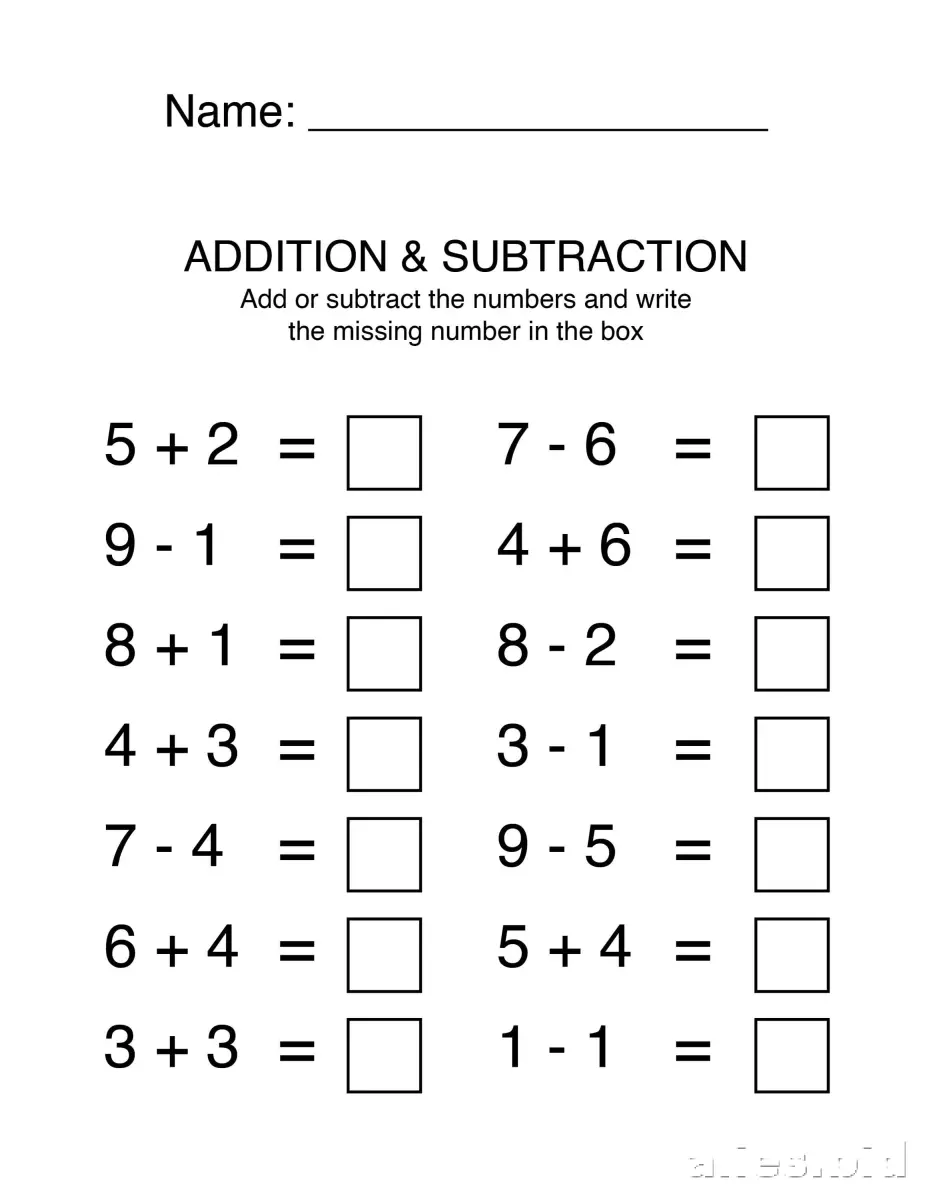
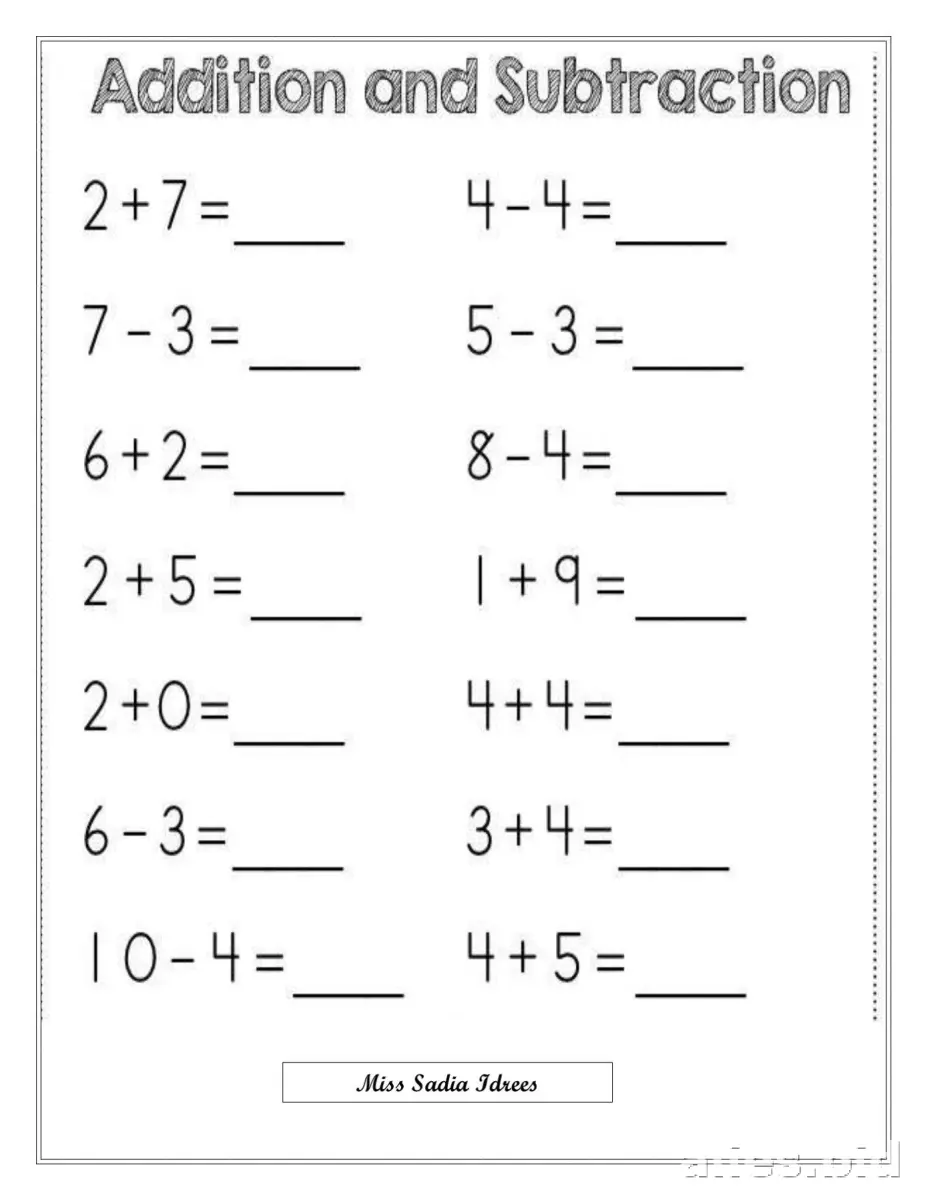
Horizontal Subtraction: Problems written in a row, such as 8 - 3 = __.
-
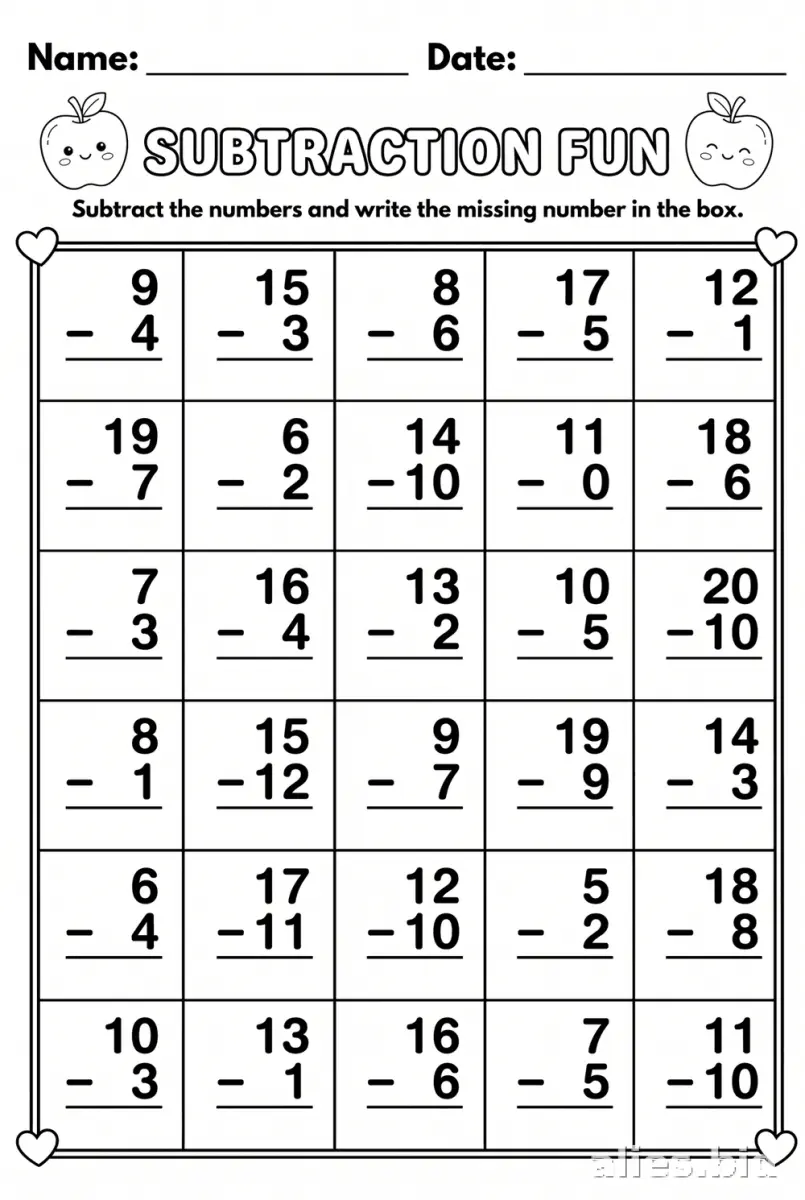
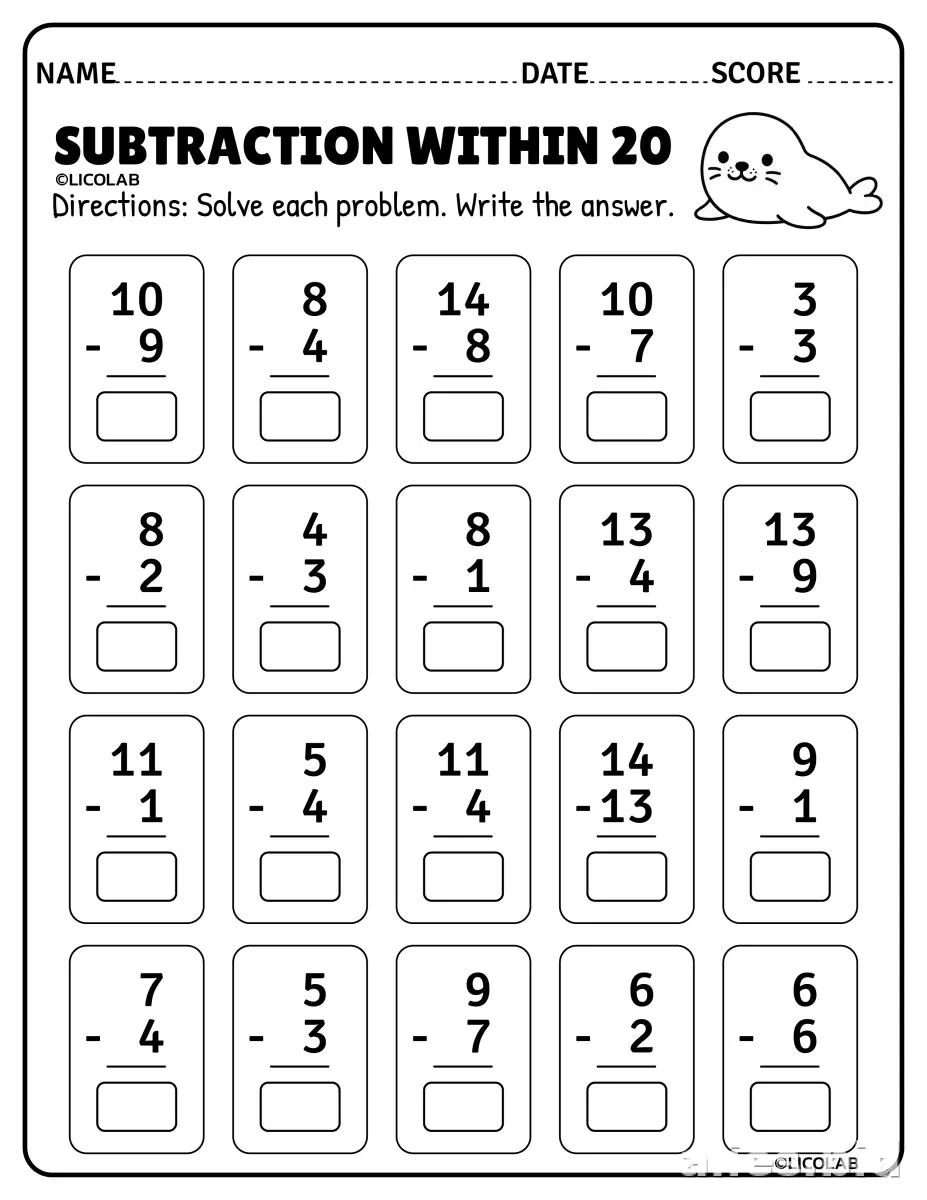
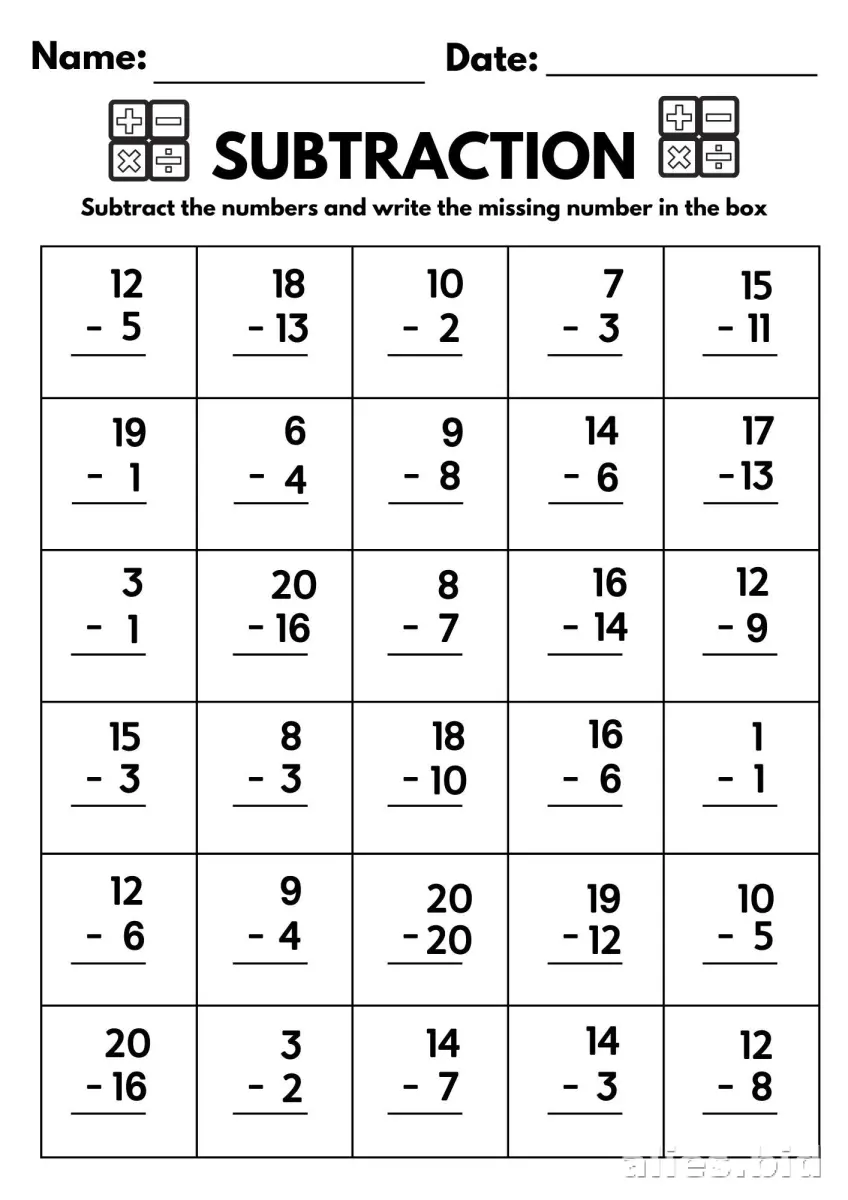
Vertical Subtraction: Problems stacked vertically, like in traditional column subtraction.
-
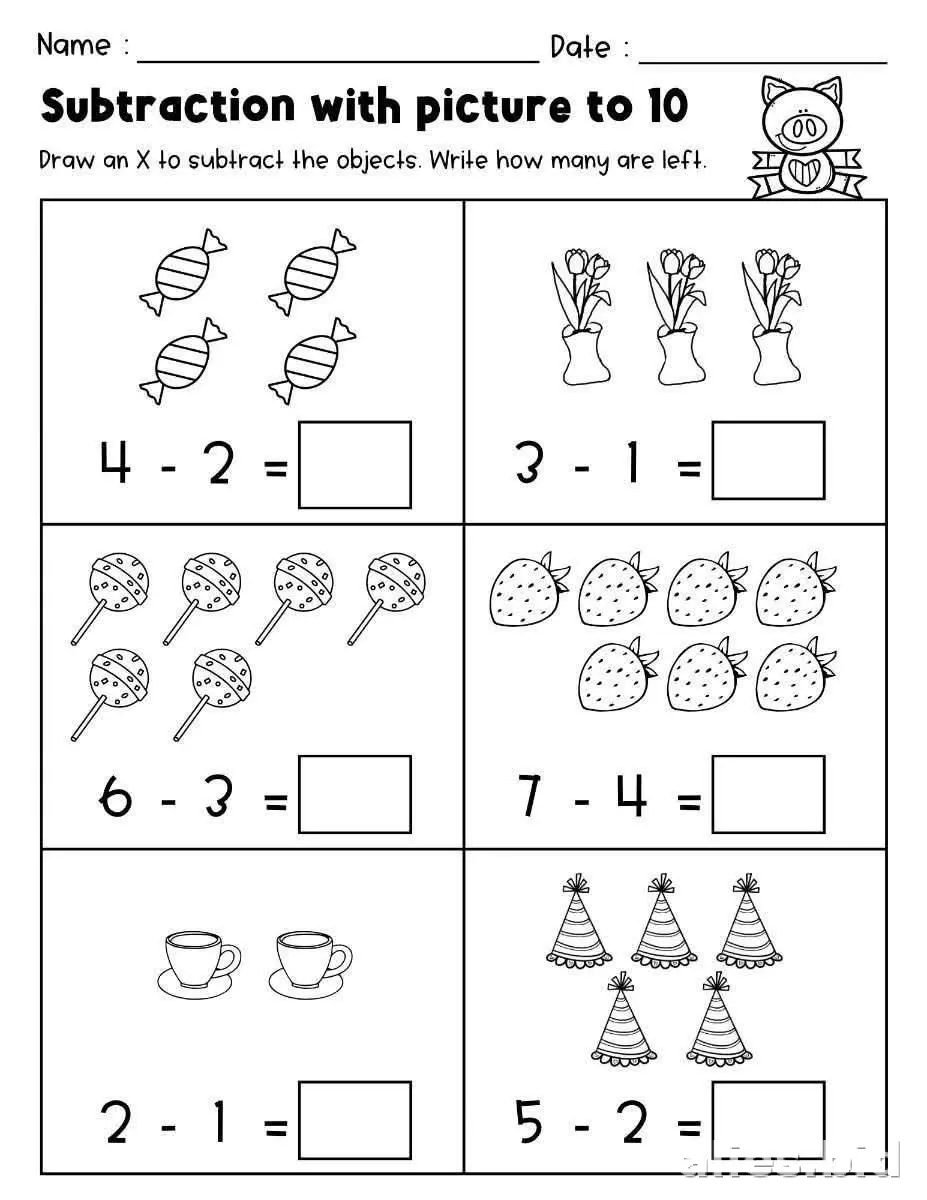
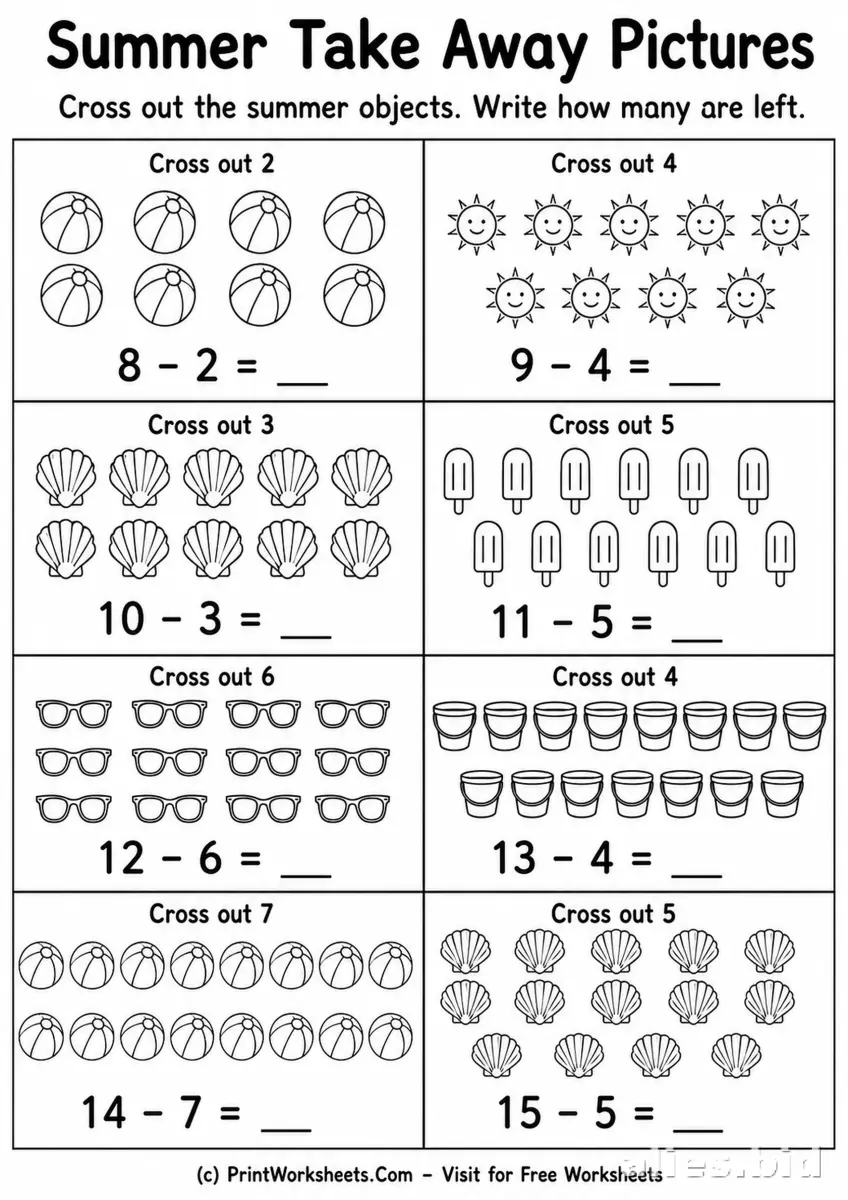
Picture Subtraction: Using pictures or objects to represent numbers and solve problems visually.
-
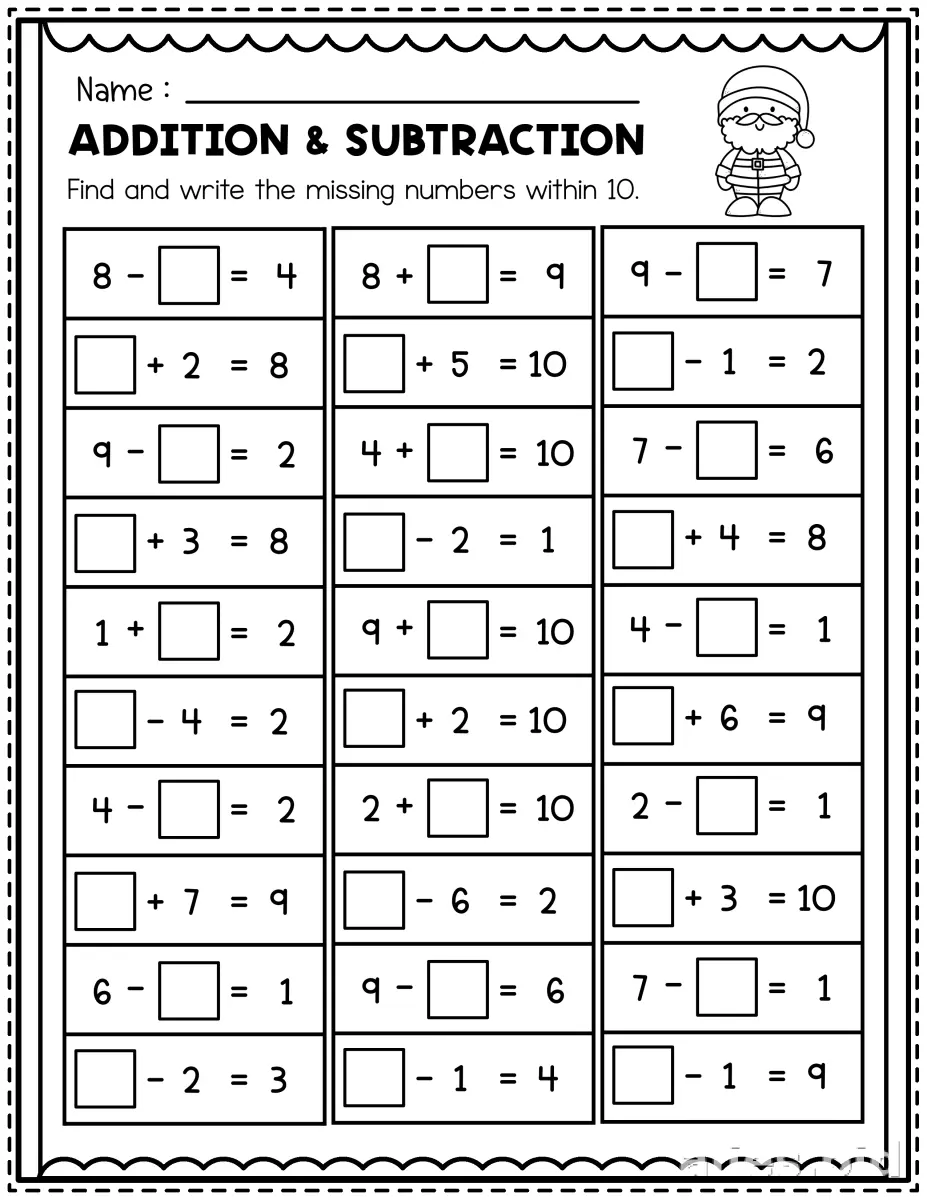
Fill-in-the-Blank: Worksheets where students fill in missing numbers in subtraction equations.
-
Matching Problems: Matching subtraction problems with their correct answers.
Benefits of Diverse Worksheet Formats
Using a mix of these formats helps cater to diverse learning needs. Visual learners might benefit more from picture subtraction, while those who prefer numbers can focus on horizontal or vertical subtraction. Incorporating different types ensures that all students have opportunities to engage with the material in ways that suit them best.
How to Use Subtraction Worksheets Effectively
To maximize the benefits of subtraction worksheets, consider the following strategies:
-
Start Simple: Begin with basic problems and gradually increase difficulty.
-
Incorporate Real-life Examples: Use scenarios that relate to everyday life to make learning relevant.
-
Use Timers for Practice: Implement short timed sessions to improve speed and accuracy without causing stress.
-
Provide Immediate Feedback: Correct answers promptly to reinforce learning and address misunderstandings quickly.
-
Make it Fun: Incorporate games or puzzles that involve subtraction to keep students engaged.
Common Pitfalls to Avoid
-
Overloading with Problems: Too many problems can overwhelm students and reduce motivation.
-
Ignoring Individual Needs: Tailor worksheets to meet the specific needs of each student.
-
Lack of Explanation: Ensure that each problem is explained clearly before attempting it.
-
Neglecting Review: Regular review helps reinforce previously learned concepts.
Incorporating Technology in Subtraction Practice
In today’s digital age, technology offers innovative ways to enhance subtraction practice. Here are some methods:
-
Educational Apps: Utilize apps designed specifically for math practice, offering interactive and engaging subtraction exercises.
-
Online Games: Websites with math games can make learning subtraction fun and competitive.
-
Virtual Manipulatives: Digital tools like virtual number lines or base ten blocks help students visualize subtraction processes.
-
Interactive Whiteboards: Use these tools in classrooms to create dynamic and interactive lessons.
Advantages of Digital Tools
Digital tools offer flexibility and accessibility, allowing students to practice at their own pace. They also provide immediate feedback and can adapt to different learning speeds, making them a valuable resource for both teachers and parents.
Assessing Progress with Subtraction Worksheets
Regular assessment is crucial to track progress and identify areas needing improvement. Here’s how to effectively assess students using subtraction worksheets:
-
Set Clear Objectives: Define what students should know and be able to do by the end of the unit.
-
Monitor Regularly: Use frequent assessments to gauge understanding and adjust teaching strategies accordingly.
-
Use Variety of Assessment Methods: Combine worksheets with oral quizzes, group activities, and projects.
-
Provide Constructive Feedback: Offer specific feedback to help students understand their mistakes and learn from them.
-
Celebrate Achievements: Recognize and celebrate progress to boost confidence and motivation.
Common Mistakes in Assessment
-
Focusing Only on Scores: Pay attention to the quality of work and the thought process behind answers.
-
Assessing Too Infrequently: Regular assessments provide a clearer picture of student progress.
-
Ignoring Individual Differences: Tailor assessments to reflect the unique abilities and needs of each student.
Conclusion
Subtraction worksheets are a powerful tool in the educational arsenal for 1st graders. By incorporating a variety of worksheet types, using them effectively, leveraging technology, and regularly assessing progress, educators and parents can significantly enhance students' mathematical skills. Remember, the goal is not just to teach subtraction but to foster a love for learning that will serve students well throughout their academic journey and beyond.