Learning to read is a journey filled with milestones, and one of the earliest steps involves mastering
ending sounds in words. This foundational skill helps children decode words more efficiently and build confidence as they progress through their literacy development. For teachers and parents looking to support this crucial phase, printable ending sounds
worksheets offer an effective, engaging, and accessible solution. These resources are designed to reinforce phonemic awareness by focusing specifically on the last sound or sounds that make up a word. By practicing with these
worksheets, students learn to identify, isolate, and manipulate ending sounds—skills that are essential for reading fluency and spelling accuracy.
Ending sounds form the backbone of many phonics strategies, especially those used in early childhood education. When a child can recognize that the word “cat” ends with the /t/ sound, they’re better equipped to read similar words like “hat,” “bat,” or “mat.” Printable
worksheets provide structured practice opportunities tailored to different learning levels, making them ideal for classroom use or at-home reinforcement. The best part? Many of these worksheets are free and customizable, allowing educators and caregivers to adapt them to suit individual needs or align with specific curriculum goals.
Whether you're a teacher preparing materials for your class or a parent supporting your child’s learning at home, incorporating ending sounds worksheets into your routine can yield significant results. In this article, we’ll explore the importance of ending sounds in phonics, how to choose the right worksheets, creative ways to integrate them into lessons, and much more. Let's dive into the world of phonics and discover how printable resources can transform learning into a fun and rewarding experience.
Why Ending Sounds Matter in Phonics Development
Mastering ending sounds is a critical component of phonics instruction because it helps children break down words into manageable parts. This process, known as
segmentation, allows learners to hear and understand each sound within a word. When students focus on ending sounds, they begin to recognize patterns in language, such as common suffixes (-ed, -ing, -s) or rhyming structures. These insights not only improve reading comprehension but also enhance writing and spelling abilities.
For example, a child who can isolate the ending sound in “dog” (/g/) may find it easier to spell similar words like “log” or “cog.” This skill also supports decoding unfamiliar words, as students can apply what they know about endings to figure out new vocabulary. Additionally, understanding ending sounds contributes to a child’s overall
phonological awareness, which is strongly linked to later reading success. Studies show that children who have strong phonological skills before entering school tend to become fluent readers more quickly than those who do not.
In classrooms, ending sounds are often taught alongside beginning and middle sounds as part of a comprehensive phonics program. However, ending sounds can be trickier for some learners because they sometimes involve silent letters or blended sounds. That’s where printable worksheets come in handy. They provide targeted practice that reinforces these concepts without overwhelming students. With consistent exposure and repetition, children can internalize these patterns and apply them across various reading and writing tasks.
Teachers and parents should remember that phonics instruction is most effective when it is interactive and multisensory. Ending sounds worksheets can be used in conjunction with hands-on activities like building words with letter tiles or listening exercises where students identify the final sound in spoken words. These varied approaches ensure that children grasp the concept from multiple angles, strengthening their ability to retain and use the information in real-world contexts.
How to Choose the Right Ending Sounds Worksheet for Your Child
Selecting the appropriate ending sounds worksheet is essential to ensure your child receives the most effective phonics practice. First, consider your child’s current reading level and any specific challenges they might face. If they struggle with blending sounds, look for worksheets that emphasize identifying and writing ending sounds individually. On the other hand, if they are more advanced, you might opt for ones that combine ending sounds with whole-word recognition.
Next, evaluate the
structure of the worksheet. A well-designed resource will typically include clear instructions, visual aids, and progressively challenging questions. For younger learners, worksheets with colorful illustrations and large print are preferable, as they help maintain engagement and reduce eye strain. Older children may benefit from more text-based exercises that encourage independent reading and analysis.
Another important factor is the
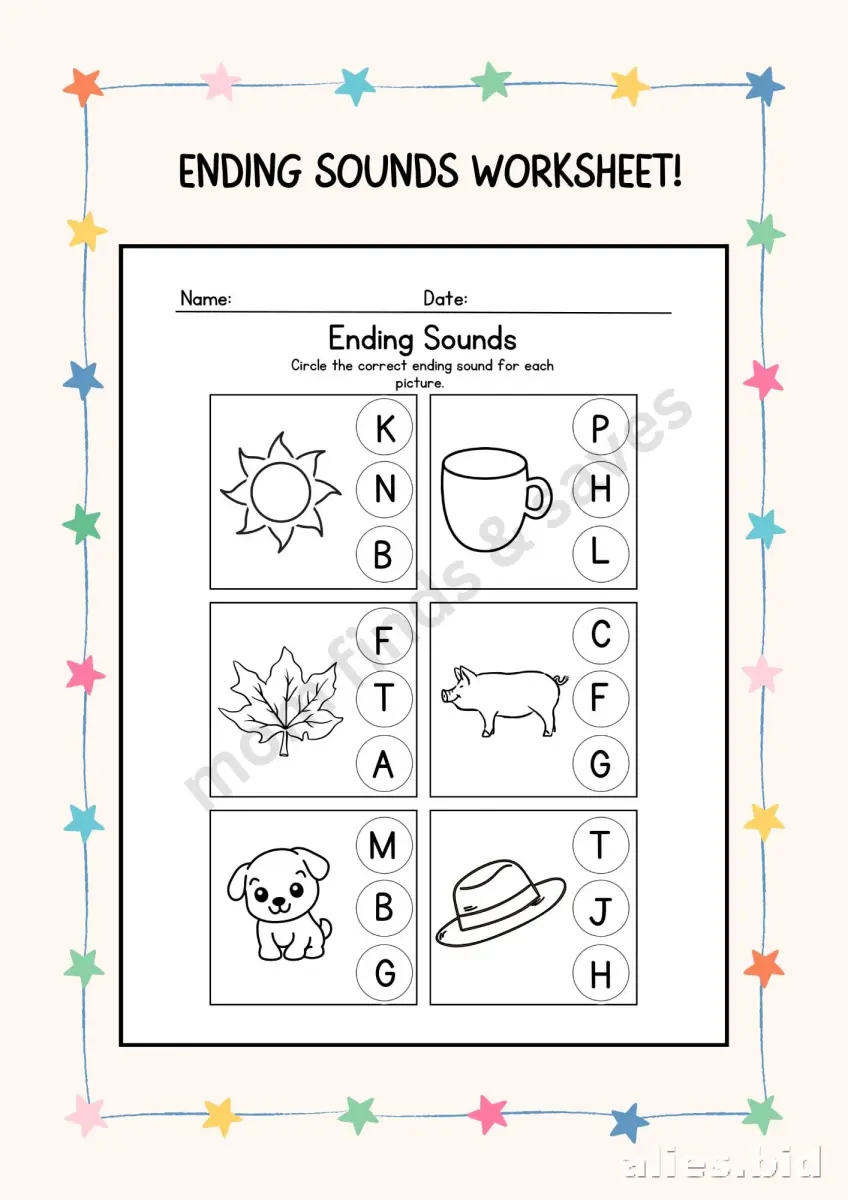
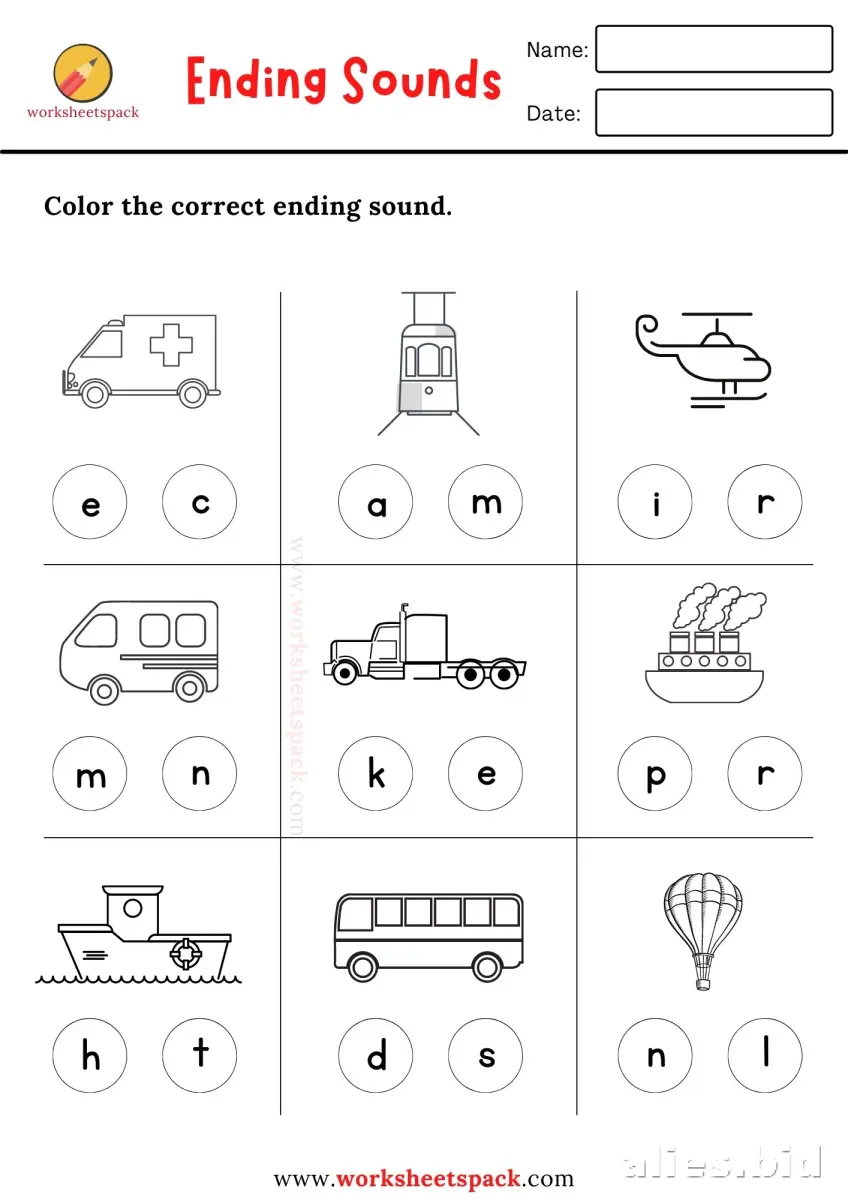
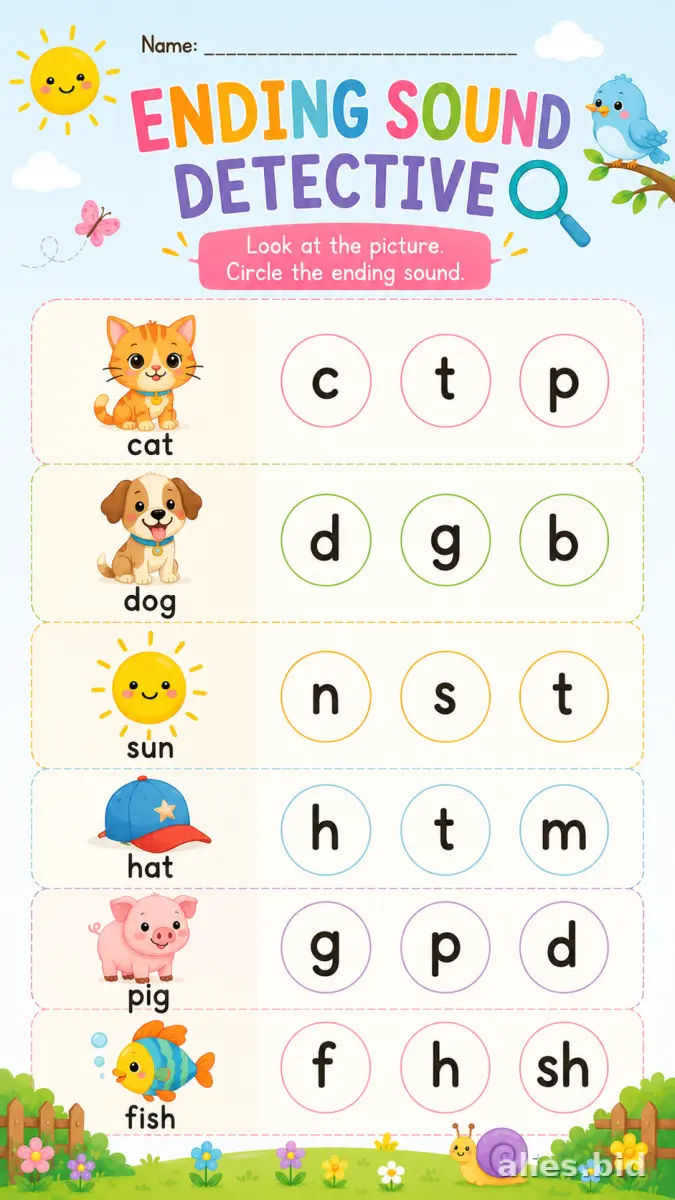
type of activity included. Some worksheets ask students to circle the correct ending sound, while others require them to match words with similar endings or complete sentences using target words. Look for variety in the types of tasks to keep learning dynamic and interesting. Mixing short-answer questions with fill-in-the-blank formats or sorting exercises can cater to different learning styles and reinforce the concept in multiple ways.
It’s also helpful to check if the worksheet includes
answer keys or guides for correction. These tools allow you to monitor your child’s progress and provide immediate feedback, which is vital for reinforcing correct responses and addressing misconceptions. Additionally, many educational websites categorize their worksheets by grade level or difficulty, making it easier to find age-appropriate materials.
Lastly, don’t hesitate to customize the worksheet to suit your child’s interests. For instance, if they love animals, choose a worksheet that features animal-related vocabulary. Personalizing the content increases motivation and makes the learning experience more enjoyable. Remember, the goal is not just to teach ending sounds but to foster a lifelong interest in reading and writing.
Matching Words with Similar Endings
One popular type of ending sounds worksheet involves
matching words with similar endings. These activities help students recognize patterns and connections between words, enhancing their ability to decode and spell. To create an effective matching exercise, start by selecting a set of target words that share the same ending sound. For example, you might choose words like “ship,” “fish,” and “chip,” all of which end with the /sh/ sound.
The worksheet could then present these words in two columns or sections—one with the full word and the other with just the ending. Students must draw lines or write the corresponding pairs. This format encourages careful listening and attention to detail, as they need to distinguish subtle differences in pronunciation. You can also incorporate
visual cues, such as pictures of objects related to the words, to assist younger learners in making associations.
To increase difficulty, introduce
blended endings or longer words with complex sounds. For instance, a worksheet might ask students to match “playing,” “jumping,” and “singing” based on their shared /ing/ ending. These variations challenge students to apply their knowledge in more advanced scenarios. Including both familiar and unfamiliar words ensures that students are exposed to a wide range of vocabulary while practicing phonics skills.
When using matching worksheets, encourage your child to say each word aloud before making a connection. This step reinforces auditory processing and builds confidence in recognizing ending sounds independently. After completing the task, review the answers together to highlight successes and clarify misunderstandings. Over time, these exercises strengthen memory retention and improve reading fluency.
Writing and Sorting Ending Sounds
Writing and sorting activities are excellent ways to deepen a child’s understanding of ending sounds. These exercises go beyond simple identification and encourage active participation in the learning process. For example, a
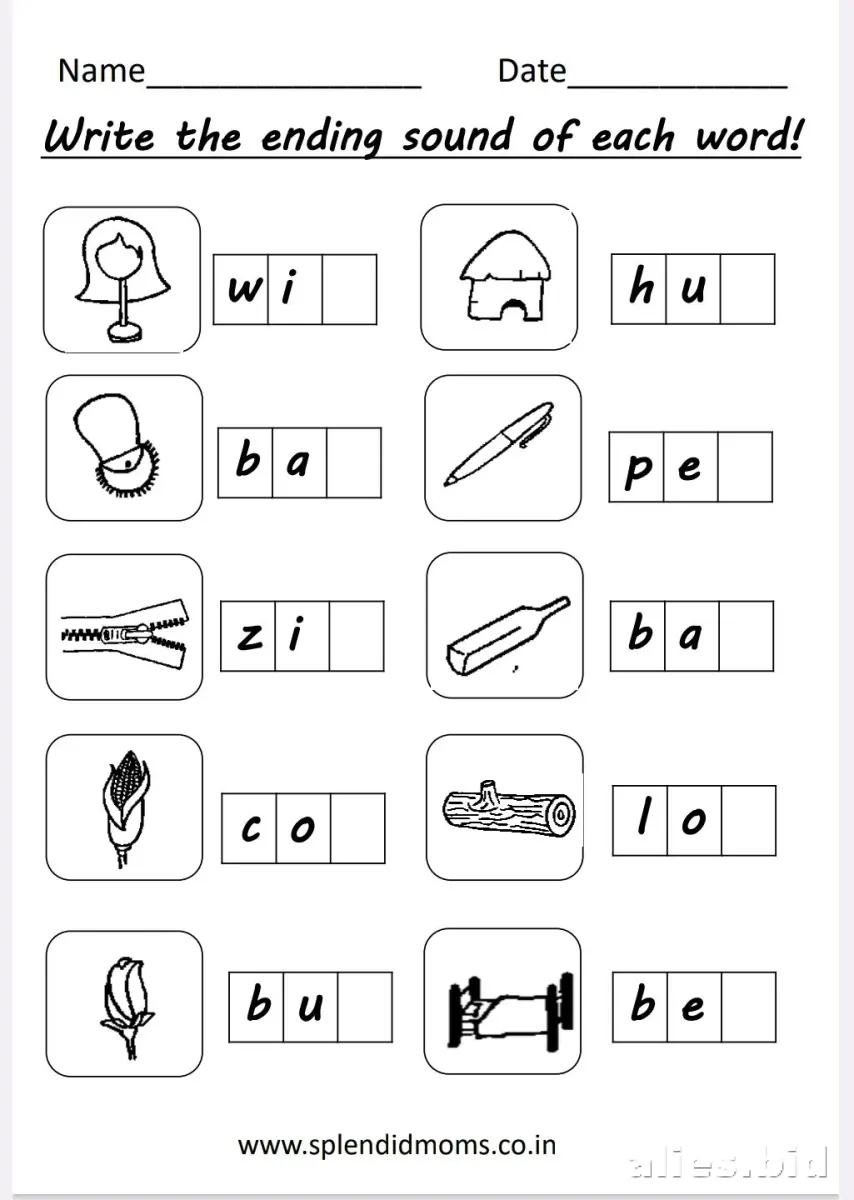
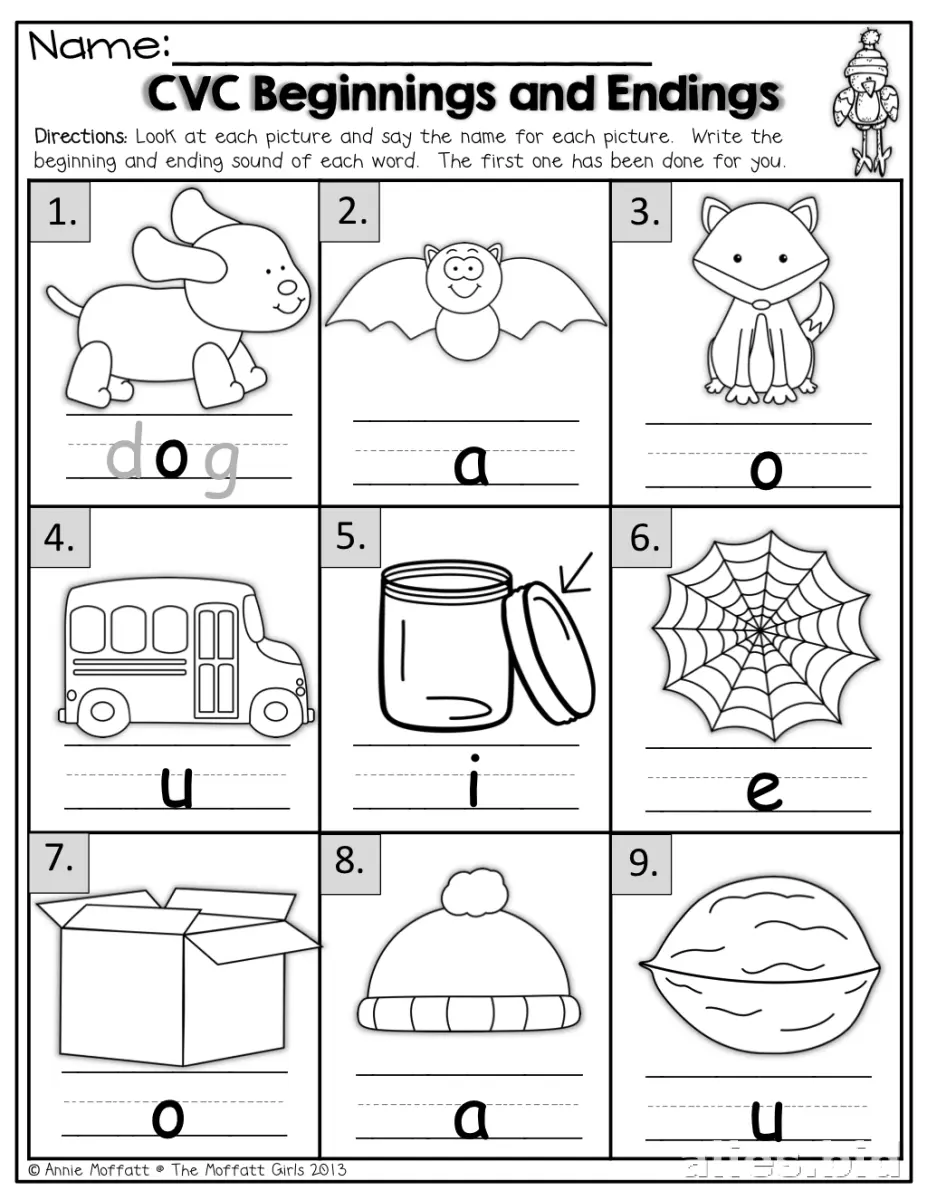
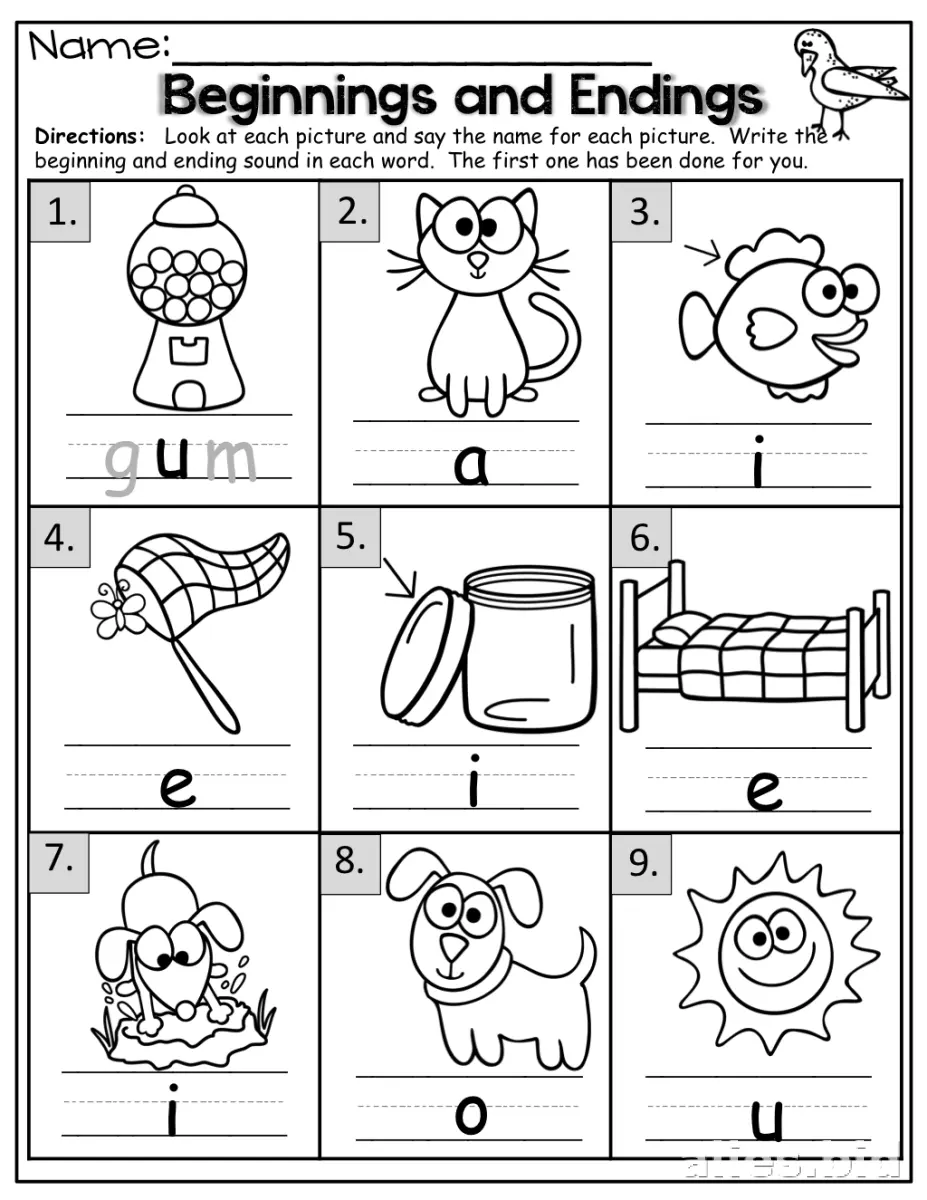
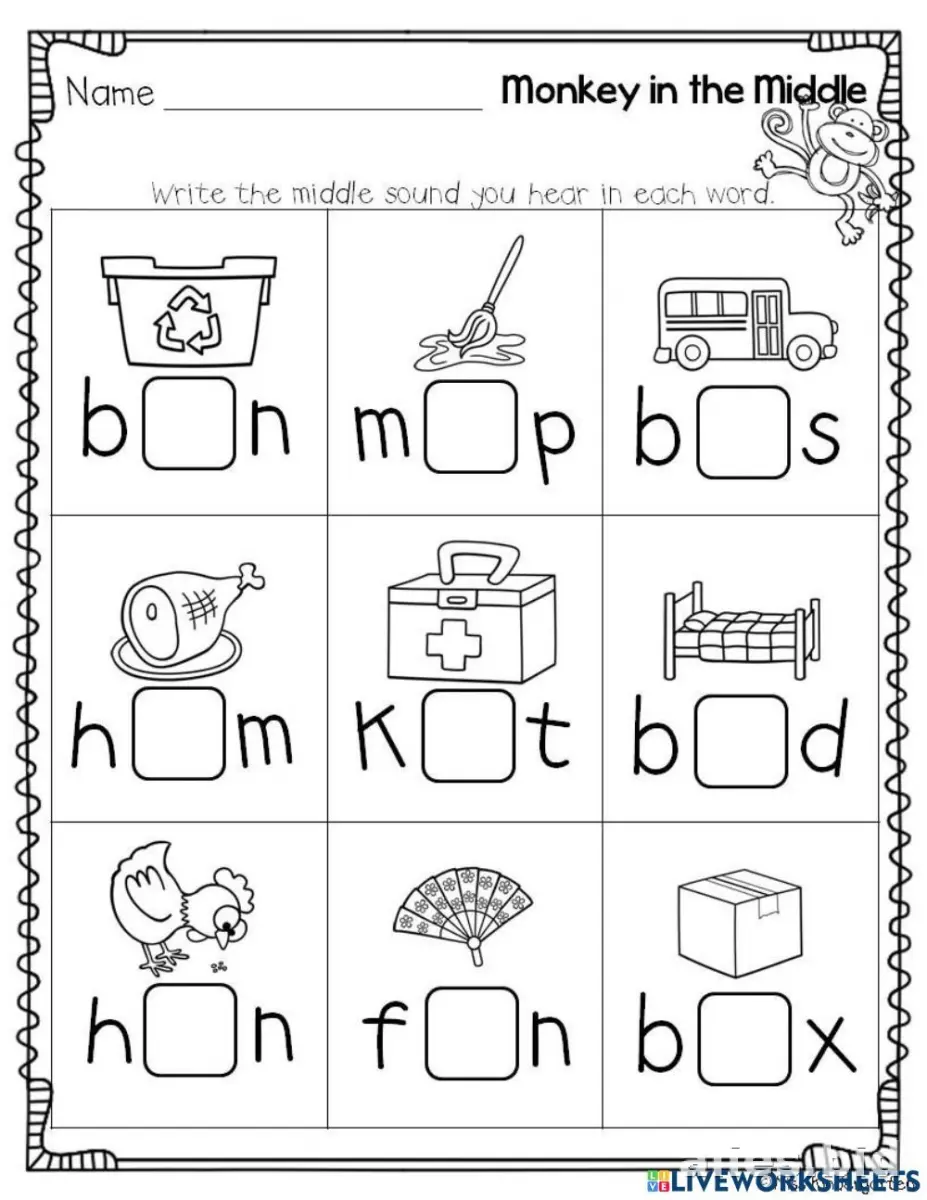
writing worksheet might ask students to write the ending sound of each word in a given list. Words like “cake,” “bike,” and “make” would prompt students to write “-ake” as the common ending. This task reinforces spelling patterns and helps children internalize how ending sounds contribute to word formation.
Sorting worksheets take this concept a step further by asking students to group words based on their ending sounds. A typical activity might involve cutting out word cards and pasting them under the correct category—such as “-at,” “-an,” or “-ap.” This tactile approach engages multiple senses and promotes deeper cognitive processing. It also helps students see relationships between words, making it easier to remember how certain endings function within the English language.
These types of worksheets are particularly useful for visual and kinesthetic learners. By physically arranging words into groups, students gain a clearer sense of how ending sounds operate. You can even turn this into a game by timing the activity or adding a point system for correct matches. The key is to make the process enjoyable while still maintaining educational value.
As your child progresses, vary the difficulty of the worksheets. Start with single-letter endings like “-p” or “-t,” then move on to blends such as “-st” or “-nd.” Introducing
silent letters (like the “e” in “cake”) adds another layer of complexity and prepares students for more advanced reading challenges. Consistent practice with writing and sorting activities lays a strong foundation for future literacy success.
Creative Ways to Use Ending Sounds Worksheets in Learning
Printable ending sounds worksheets offer a versatile tool for educators and parents to enhance phonics learning. While traditional methods involve simply completing the exercises, there are numerous
creative ways to use these worksheets to engage children and reinforce their understanding. One effective strategy is to turn worksheet tasks into
interactive games. For instance, you can play a matching game where students pair words with the same ending sound or use flashcards to quiz each other. Adding elements like timers or scorekeeping can increase motivation and make the learning process feel more exciting.
Another idea is to
incorporate art and music into phonics practice. Children can color the ending sounds in words or draw pictures that represent the final letters. For example, if the word is “lamp,” they might draw a lamp and highlight the “-amp” ending in red. Music also plays a