---
Phonics is the foundation of early literacy, helping children decode words and build confidence in reading. For parents and educators, finding effective and engaging resources is essential. Free phonics worksheets offer a practical solution, combining structured learning with accessibility. These printables are designed to reinforce key phonics concepts such as letter sounds, blending, and word families—making them a valuable tool for both classroom instruction and at-home practice.
Phonics worksheets are especially beneficial for young learners who thrive on repetition and visual learning. Whether a child is just beginning to recognize letters or is ready to tackle more complex phonics patterns, there’s a worksheet tailored to their developmental stage. The best part? Many of these resources are available at no cost, making quality education accessible to all families regardless of income or location.
This article explores the world of free phonics worksheets for kids, offering insights into their educational value, how to choose the right ones, and where to find trusted sources. We’ll also provide tips for using these worksheets effectively and ideas for integrating them into daily learning routines. Whether you're a teacher looking for supplemental materials or a parent supporting your child’s literacy journey, this guide will help you make the most of free phonics printables.
Understanding Phonics and Its Importance in Early Literacy
Phonics plays a critical role in teaching children how to read by connecting sounds with letters or groups of letters. This method allows young learners to "decode" new words by sounding them out, which is essential for building reading fluency and comprehension. Without a solid foundation in phonics, children may struggle with reading, which can affect their overall academic performance and confidence.
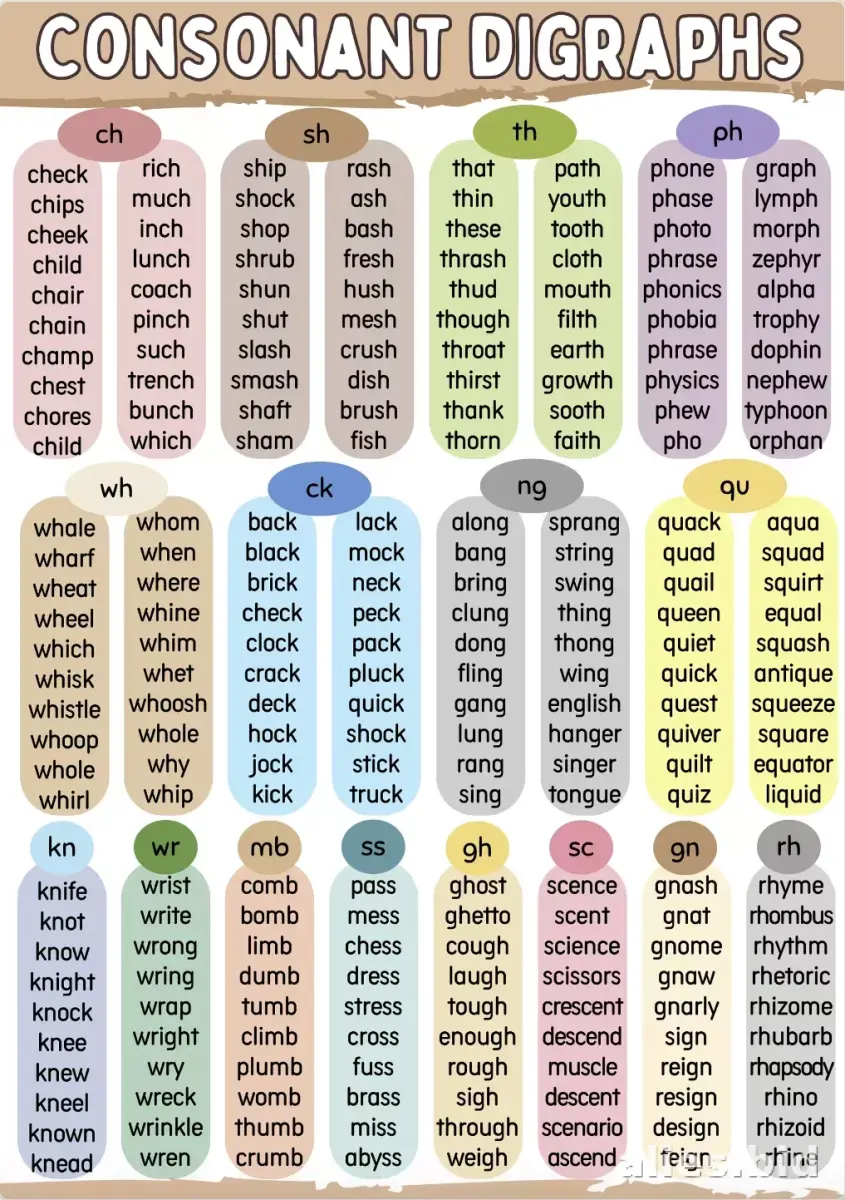
Phonics instruction typically begins with teaching letter-sound relationships, such as recognizing that the letter "b" makes the /b/ sound. As children progress, they learn more complex patterns like consonant blends (e.g., "bl" in "black"), vowel teams (e.g., "ee" in "feet"), and digraphs (e.g., "sh" in "ship"). These building blocks enable children to read and spell words more effectively.
Free phonics worksheets offer a structured way to reinforce these essential skills. They provide consistent practice with letter recognition, sound blending, and word formation—all key components of early reading development. By engaging with phonics worksheets regularly, children can internalize these concepts and apply them to real-world reading situations. Whether used in school or at home, phonics worksheets help create a strong literacy foundation that supports lifelong learning.
The Role of Phonics in Reading Readiness
Before children can read independently, they need to understand how sounds and letters connect. Phonics bridges this gap by teaching them to recognize patterns in language. This skill is especially important for emergent readers who are just beginning to make sense of written words.
Phonics instruction also supports spelling and writing development. As children learn how to break words into sounds and match them to letters, they become more confident in their ability to write and communicate effectively. This dual benefit makes phonics a cornerstone of early education.
Free phonics worksheets are a powerful tool for reinforcing these concepts in a fun and engaging way. They allow children to practice at their own pace while giving educators and parents a clear way to assess progress. By integrating phonics worksheets into daily learning, children gain the skills they need to become strong, confident readers.
How Phonics Worksheets Support Different Learning Styles
Every child learns differently, and phonics worksheets are versatile enough to accommodate various learning styles. Visual learners benefit from colorful illustrations and clear letter formations, while auditory learners can practice sounding out words aloud as they work through the exercises. Kinesthetic learners, who thrive on movement and hands-on activities, can engage with
tracing letters, cutting and pasting word parts, or matching sounds to images.
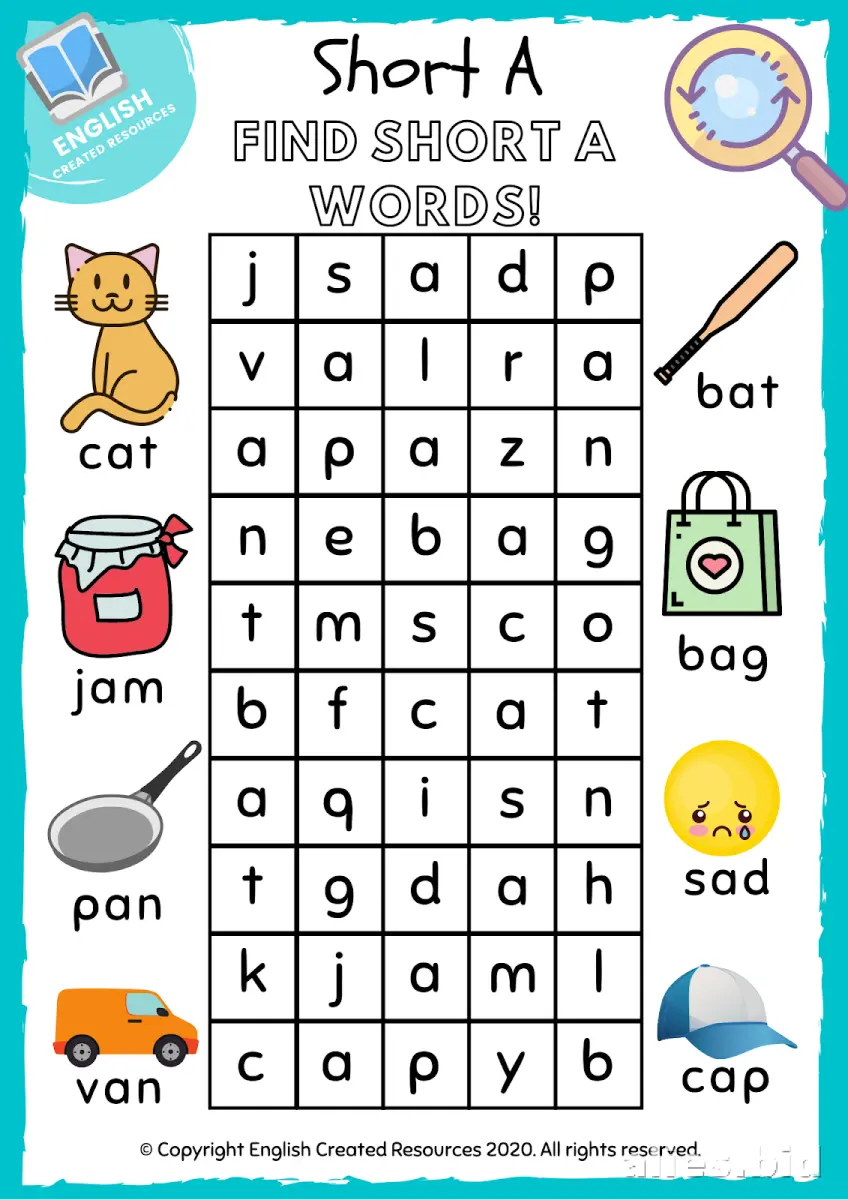
Many free phonics worksheets also incorporate interactive elements such as puzzles, mazes, and matching games. These activities make learning feel like play, which helps maintain a child’s interest and motivation. Additionally, worksheets can be easily adapted for group instruction or one-on-one support, making them a flexible resource for both classroom and home settings.
By catering to multiple learning preferences, phonics worksheets ensure that all children have the opportunity to succeed. Whether a child is just starting to recognize letters or is ready to blend sounds into words, there’s a worksheet that matches their current skill level and learning style. This adaptability makes phonics printables an essential tool for educators and parents alike.
Types of Free Phonics Worksheets for Kids
Free phonics worksheets come in a variety of formats, each targeting specific reading skills and developmental stages. From simple letter recognition to more complex word families and phonics rules, these worksheets offer structured practice that supports early literacy. Choosing the right type of worksheet depends on a child’s current reading level and learning goals.
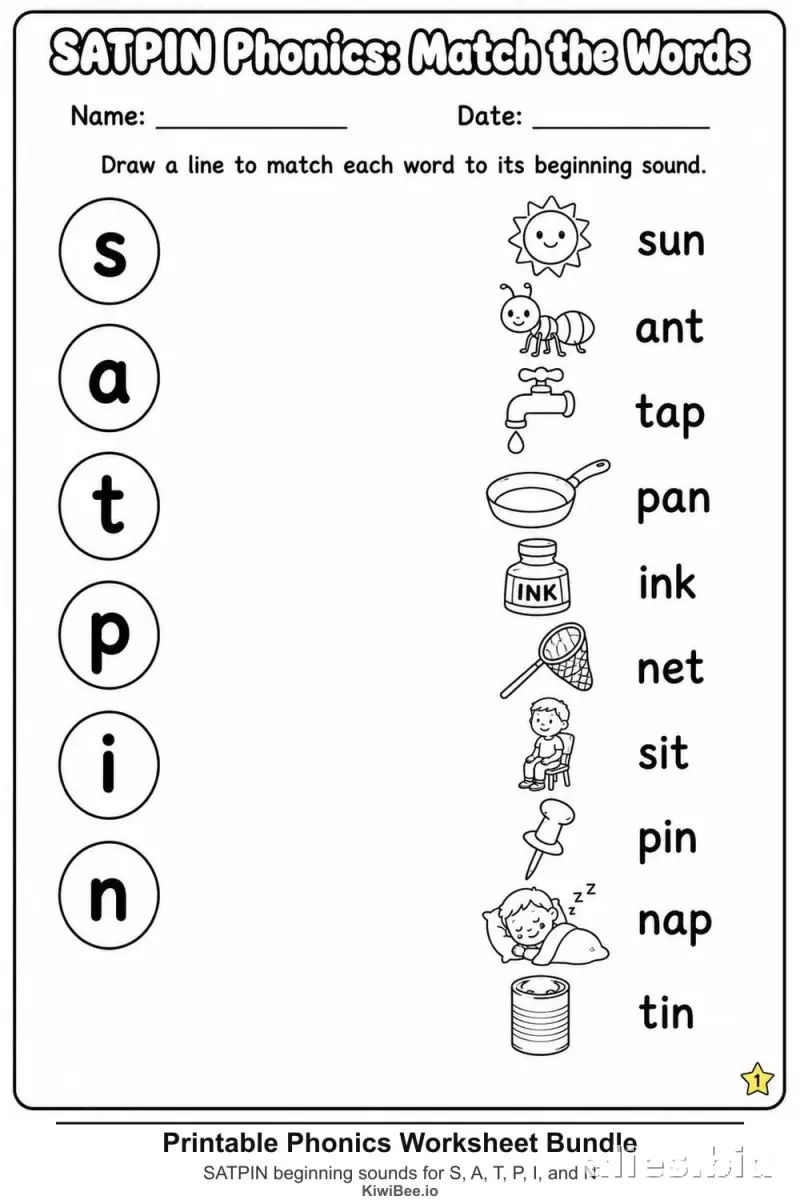
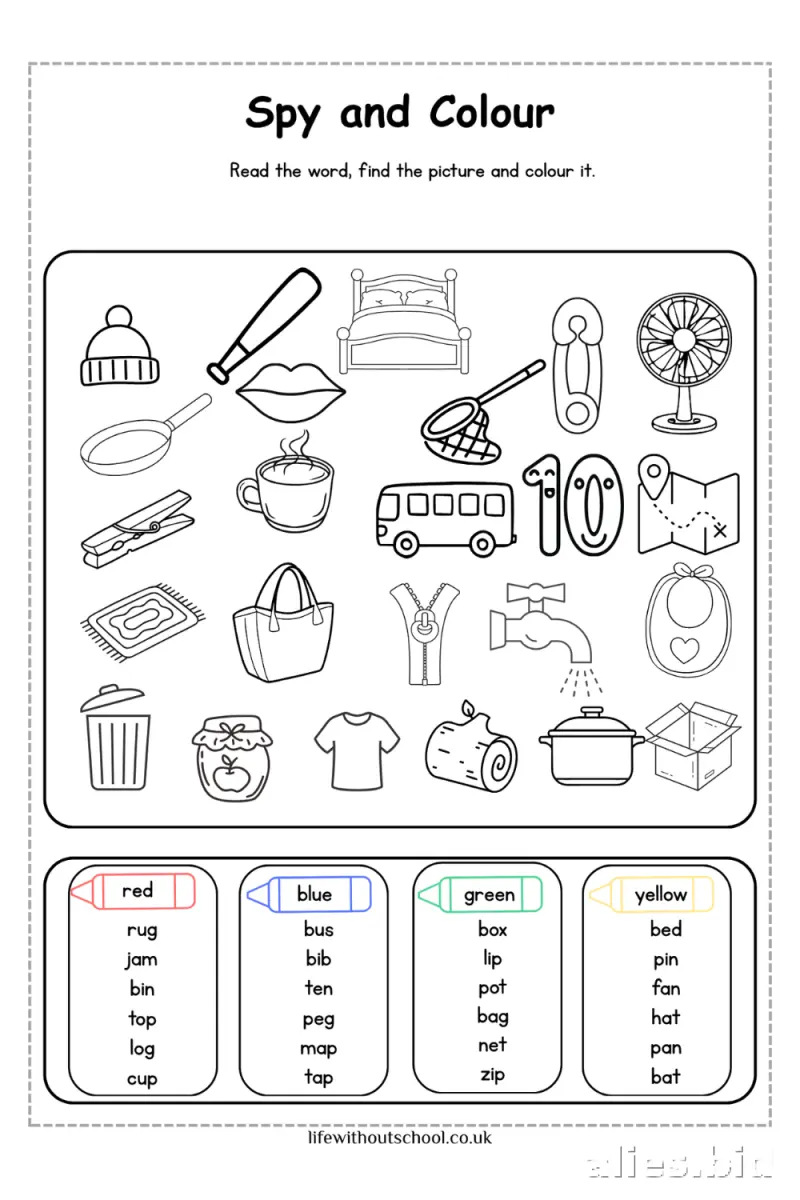
Alphabet and Letter Recognition Worksheets help children identify letters and their corresponding sounds. These are ideal for preschoolers and kindergarteners who are just beginning their literacy journey. Activities may include tracing letters, matching uppercase and lowercase letters, or identifying the beginning sound of a picture.
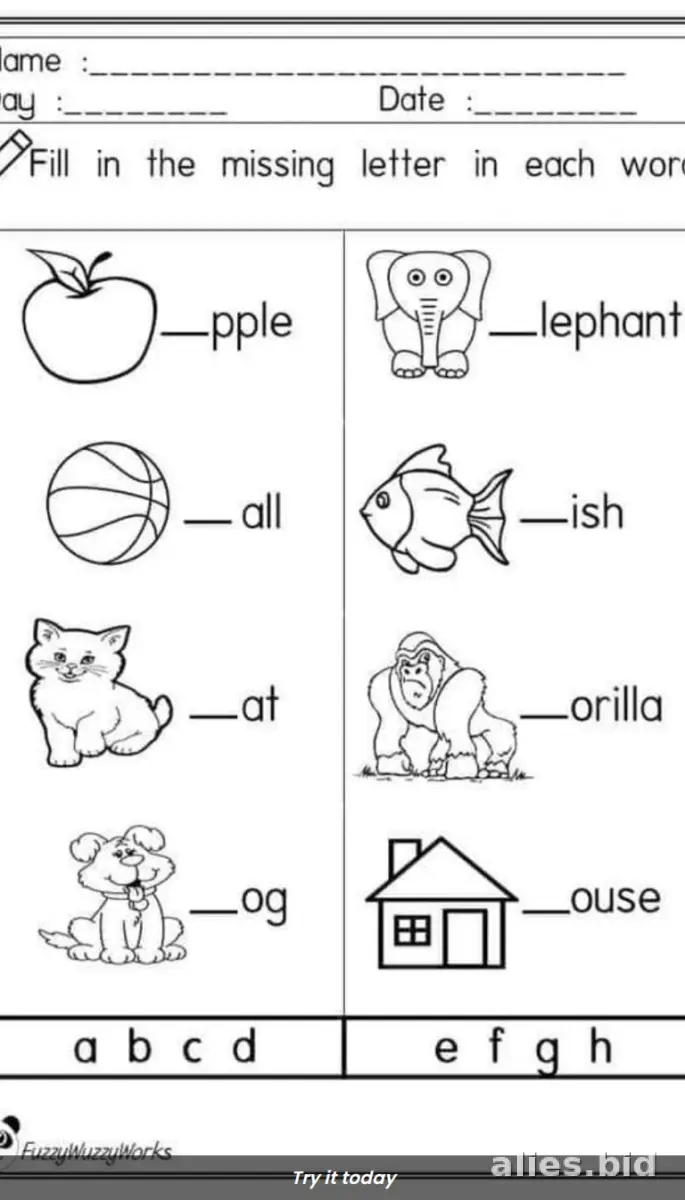
Beginning and Ending Sounds Worksheets focus on isolating the first and last sounds in words. These sheets help children develop phonemic awareness, which is crucial for reading fluency. A common activity involves choosing the correct beginning or ending sound from a set of letters.
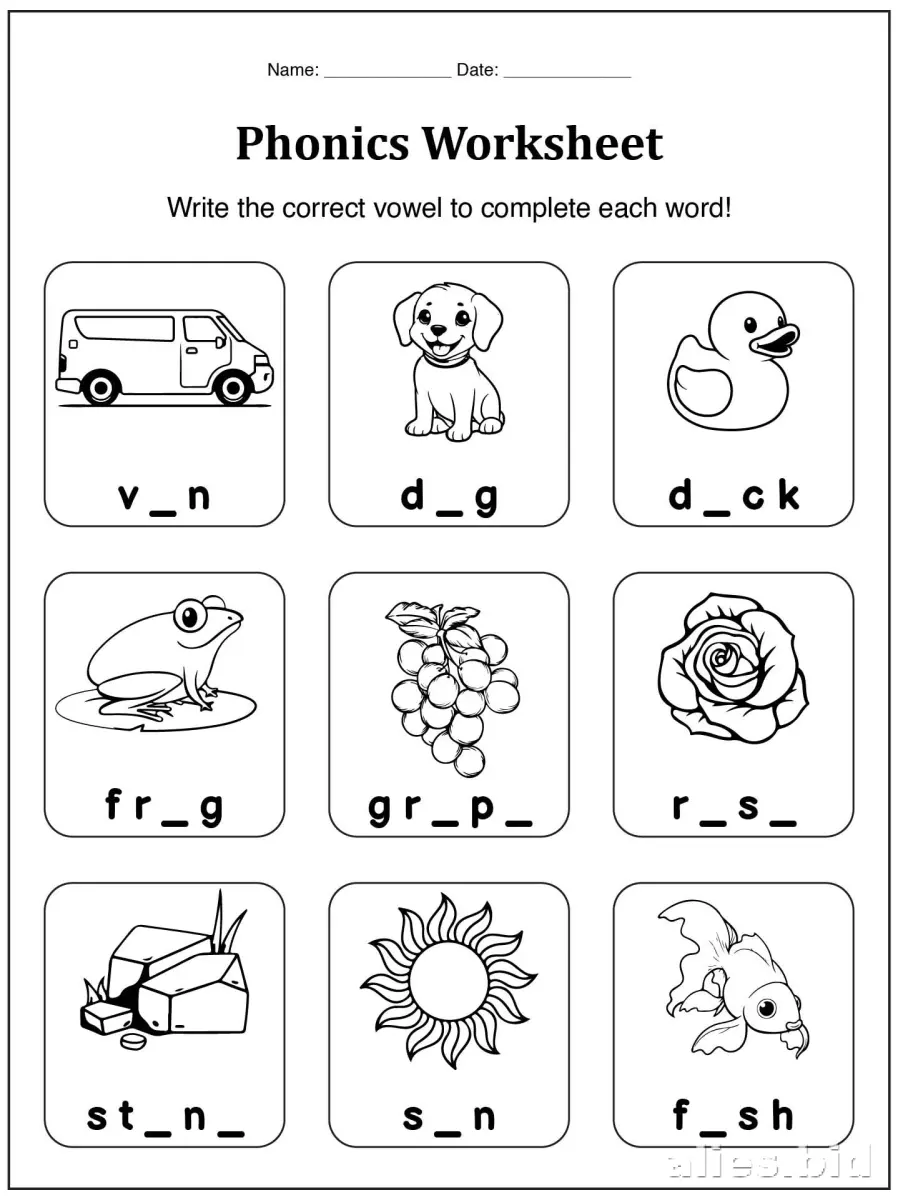
Short Vowel and Long Vowel Worksheets teach children how to distinguish between short and long vowel sounds. These worksheets often include exercises such as sorting words by vowel sound or completing words with the correct vowel.
Consonant Blends and Digraphs Worksheets introduce children to letter combinations that create new sounds, such as "bl," "sh," or "th." These are essential for building decoding skills and improving word recognition.
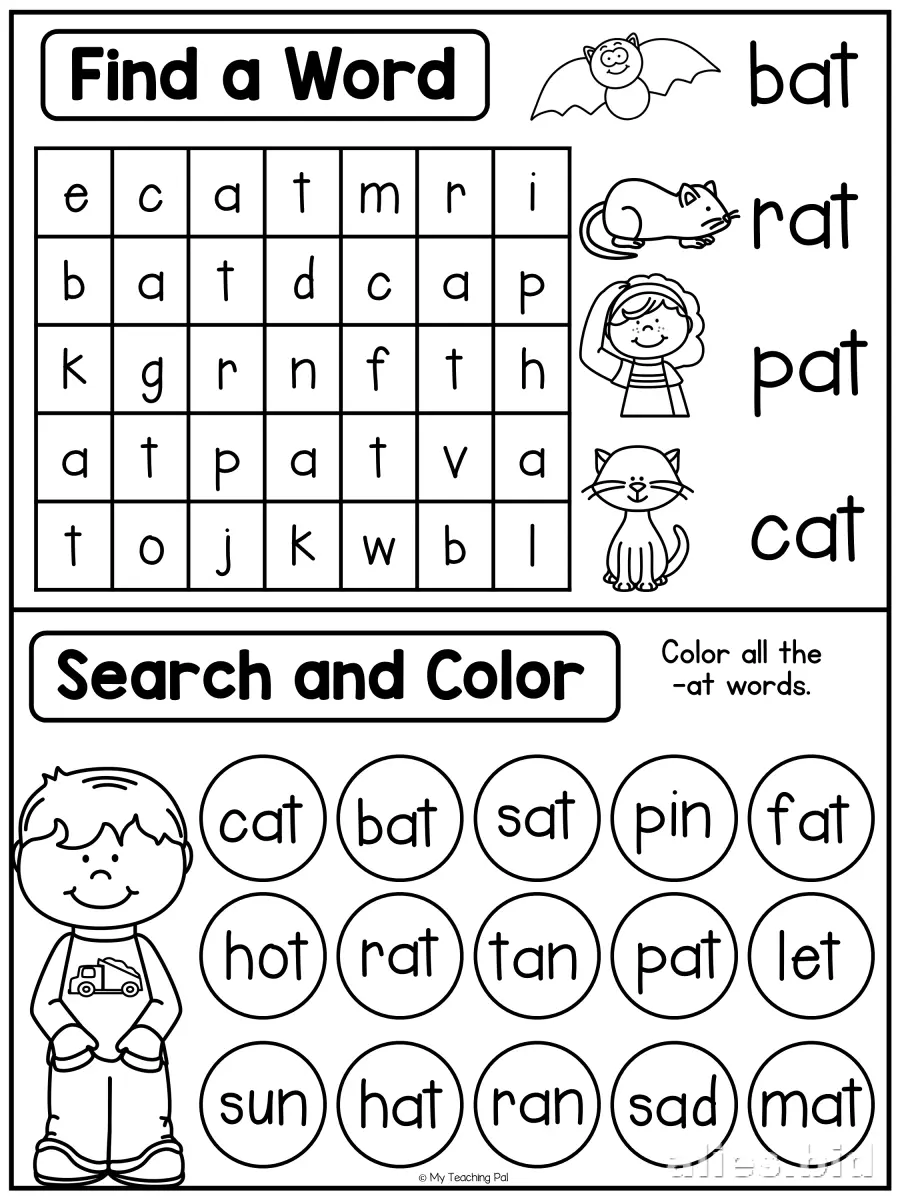
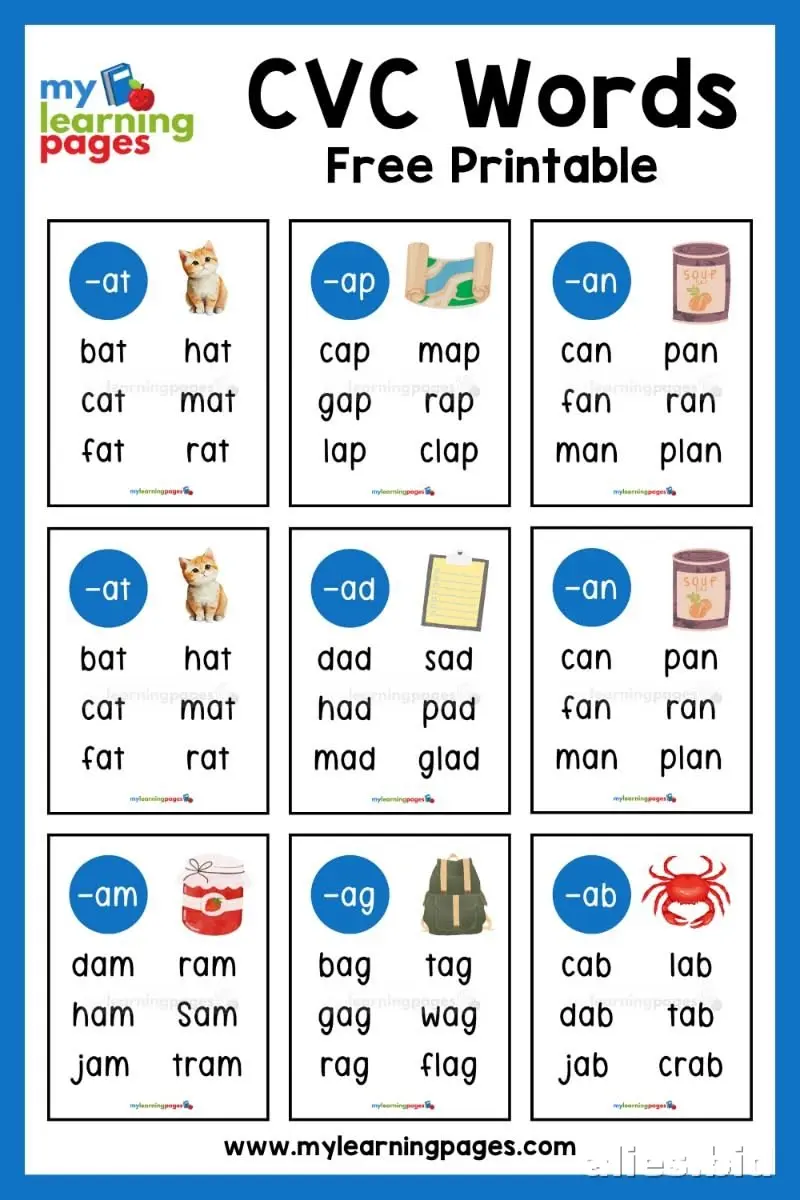
Word Family and Rhyming Worksheets encourage children to recognize patterns in words and understand how changing the beginning letter can create a new word within the same family (e.g., cat, hat, bat).
Each type of worksheet offers a different focus, allowing educators and parents to choose the most appropriate materials based on a child’s needs and progress.
Letter Recognition and Sound Matching Activities
Letter recognition is the first step in learning to read, and free phonics worksheets provide engaging ways to reinforce this skill. These worksheets often include tracing letters, matching uppercase and lowercase letters, and identifying letters in words. For example, a child might be asked to circle all the "B"s in a group of letters or draw a line from the letter to a picture that starts with that sound.
Sound matching activities help children connect letters with their corresponding sounds. Worksheets may include pictures of objects and a set of beginning letters, asking the child to select the correct letter for each image. These exercises strengthen phonemic awareness and build confidence in early reading.
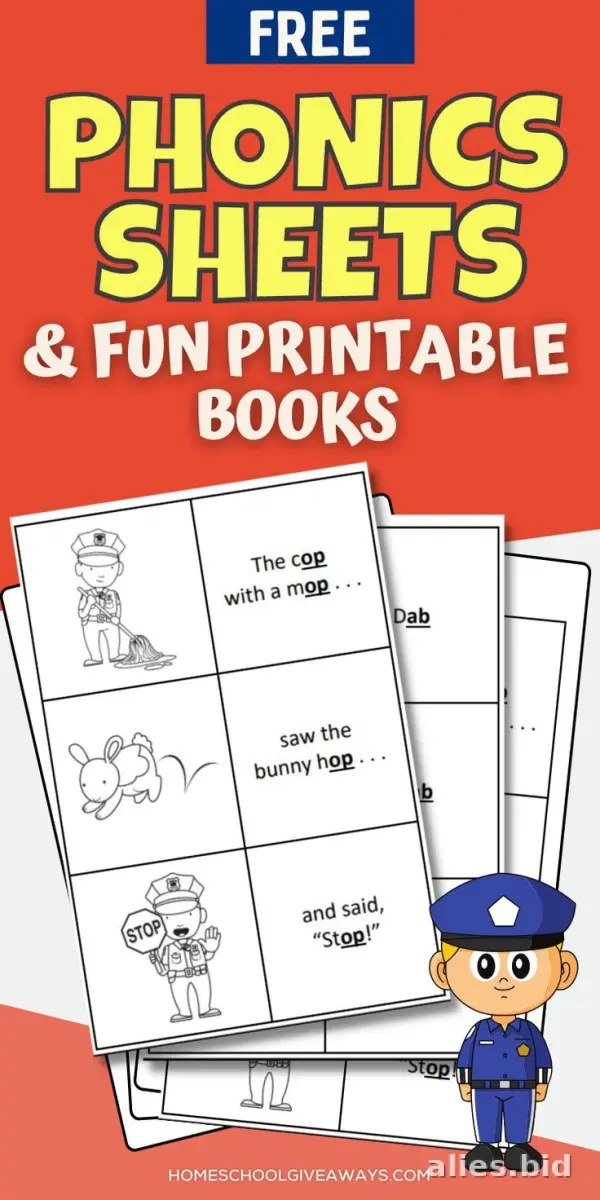
Interactive letter recognition worksheets can also include cut-and-paste activities, where children match letters to pictures or sort letters by sound. These hands-on exercises make learning more dynamic and memorable, especially for younger learners who benefit from tactile engagement.
By incorporating a variety of letter and sound recognition activities, phonics worksheets ensure that children develop a strong foundation in reading. These early skills are essential for future success in decoding words and building fluency.
Word Building and Sentence Practice Sheets
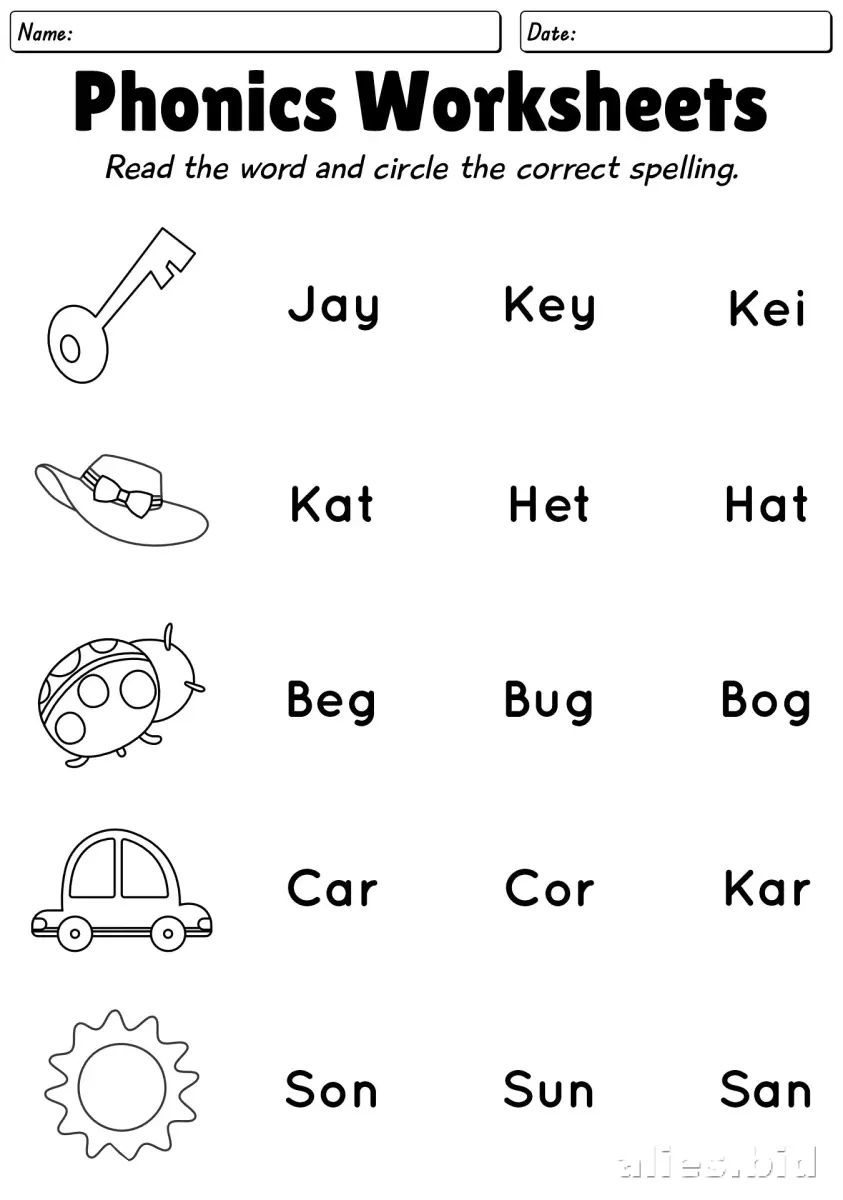
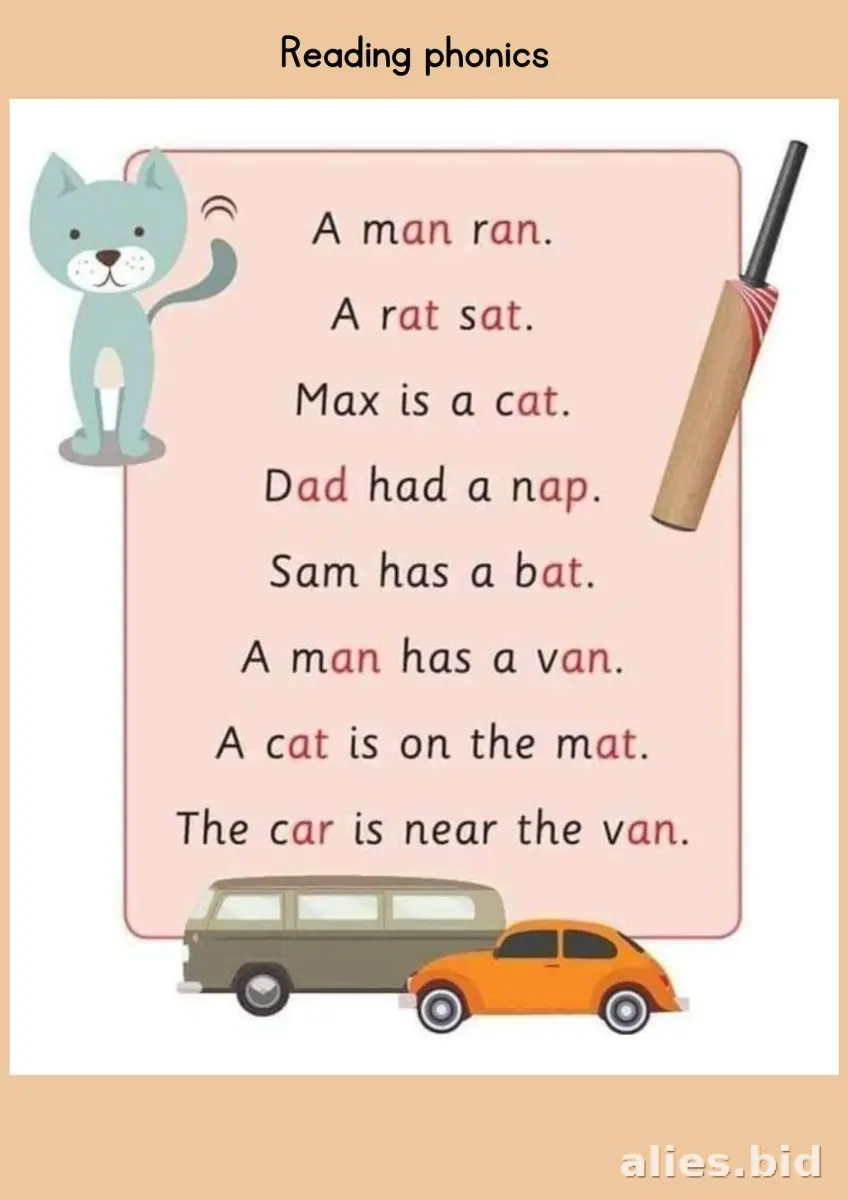
Once children have a basic understanding of letter sounds, the next step is to combine those sounds into words. Word building worksheets help children practice blending sounds to form simple words. These worksheets often use word families, such as "-at" or "-an," and allow children to change the beginning letter to create new words (e.g., cat, hat, bat). This method reinforces phonics patterns and helps children recognize common spelling structures.
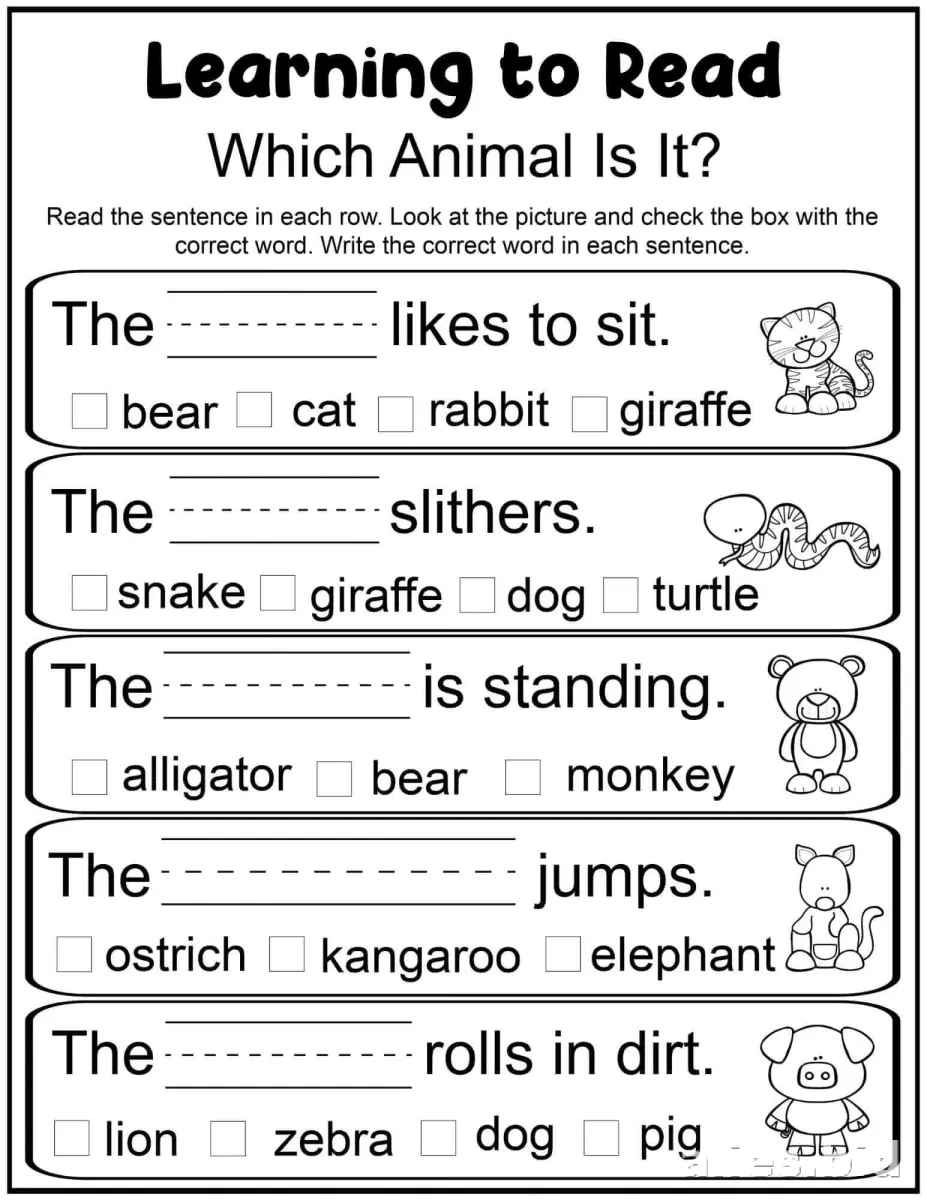
Sentence practice sheets take word building a step further by introducing basic sentence structure. Children may be asked to match words to form a sentence, fill in missing words, or rearrange scrambled words to create a coherent sentence. These activities support both reading and writing development by showing how words work together to convey meaning.
Some phonics worksheets include picture prompts that encourage children to write their own sentences using the words they’ve practiced. This helps build confidence in independent writing while reinforcing phonics skills. Sentence-building exercises also introduce sight words, which are commonly used words that children should recognize on sight.
By incorporating word building and sentence practice into phonics instruction, educators and parents can help children transition from decoding individual sounds to reading and writing full sentences. These worksheets provide a natural progression in literacy development and support long-term reading success.
Benefits of Using Free Phonics Worksheets
Free phonics worksheets offer numerous benefits for both children and educators. One of the most significant advantages is
accessibility—these resources are widely available online, often at no cost, making them an excellent option for schools with limited budgets and families seeking affordable learning tools. Whether you're a teacher preparing a lesson plan or a parent supporting your child's reading development, free phonics worksheets provide high-quality materials without financial barriers.
Another key benefit is
flexibility. Phonics worksheets can be easily adapted to suit different learning environments, whether in a classroom, homeschool setting, or during after-school practice. They can be printed and used immediately, allowing for spontaneous learning opportunities or structured daily practice. Many worksheets also come in digital formats, making them compatible with tablets and interactive whiteboards.
Skill reinforcement is another major advantage of using phonics worksheets. Regular practice with structured exercises helps children retain what they've learned and apply it to real-world reading situations. Worksheets provide targeted practice on specific phonics rules, such as vowel sounds, consonant blends, and word