---
In today’s digital world, media literacy is no longer a luxury—it’s a necessity. From social media to news websites, children and teens are constantly exposed to information, advertisements, and entertainment. Without the proper tools to interpret and evaluate these messages, young people can easily be misled or influenced by misinformation. That’s where media literacy comes in. It equips students with the skills to analyze, question, and understand media content, helping them become informed, responsible digital citizens.
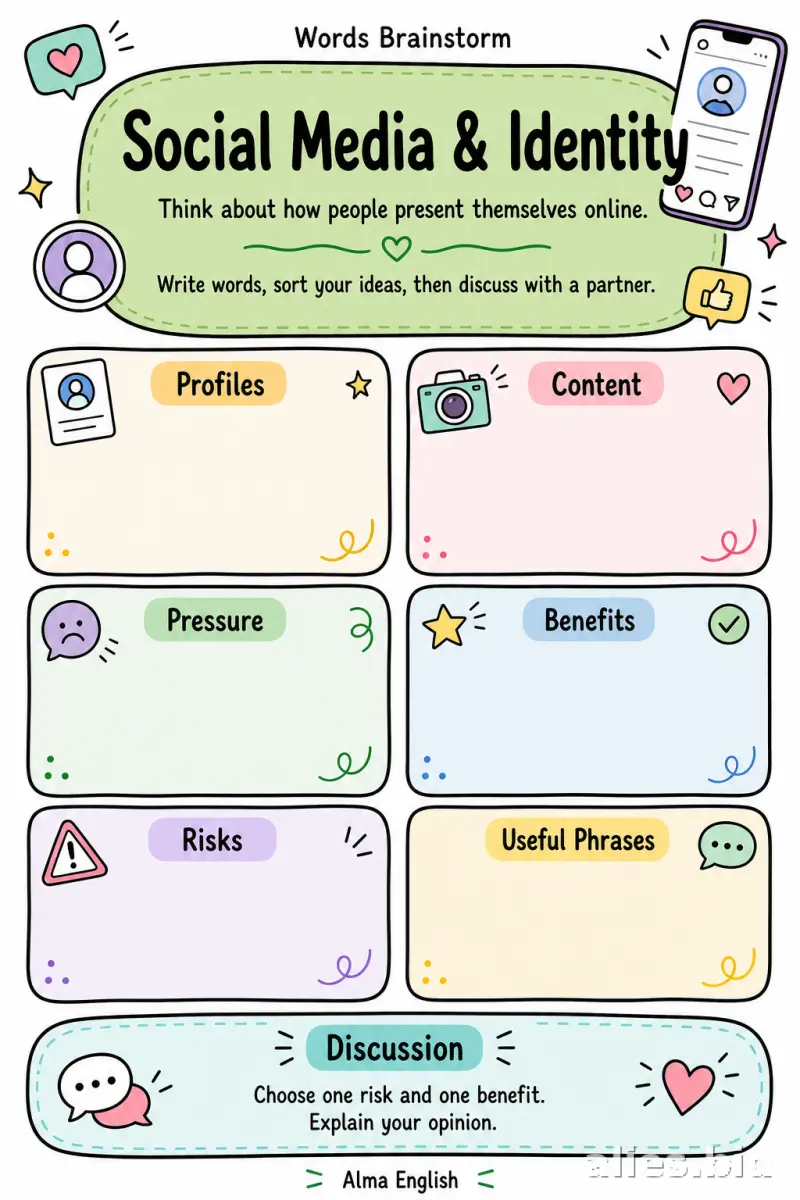
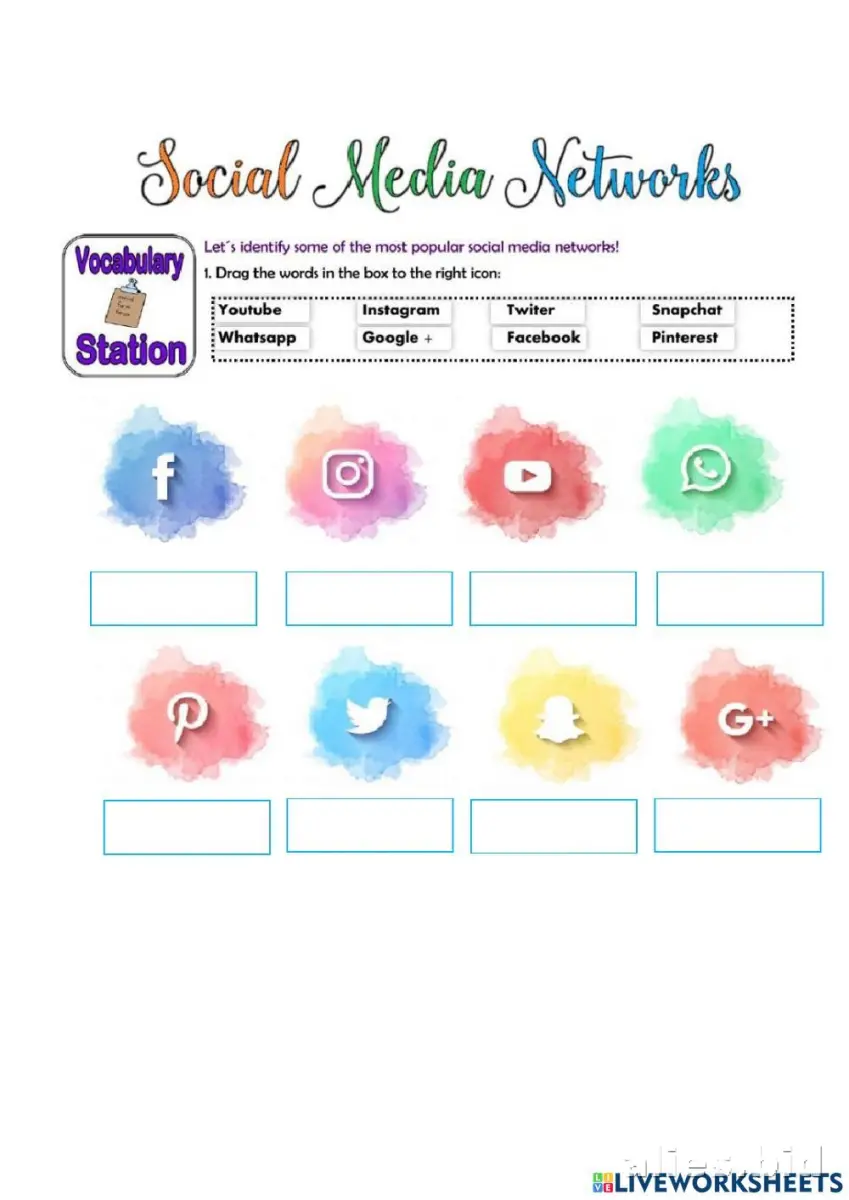
For teachers and parents, finding effective, accessible resources can be a challenge. Fortunately, there are many free media literacy worksheets available online that offer structured, engaging ways to teach these essential skills. These worksheets cover a wide range of topics, including identifying bias, recognizing advertising tactics, understanding media ownership, and distinguishing between fact and opinion. Whether you're a classroom teacher looking to integrate media literacy into your curriculum or a parent wanting to guide your child’s media consumption, these resources can be invaluable.
This article explores the importance of media literacy education, highlights the best free worksheets available, and offers practical tips for using them effectively. We’ll also break down how to adapt these tools for different age groups and learning environments, ensuring that every child—regardless of their background—can develop the critical thinking skills needed to navigate today’s complex media landscape.
Understanding Media Literacy and Why It Matters
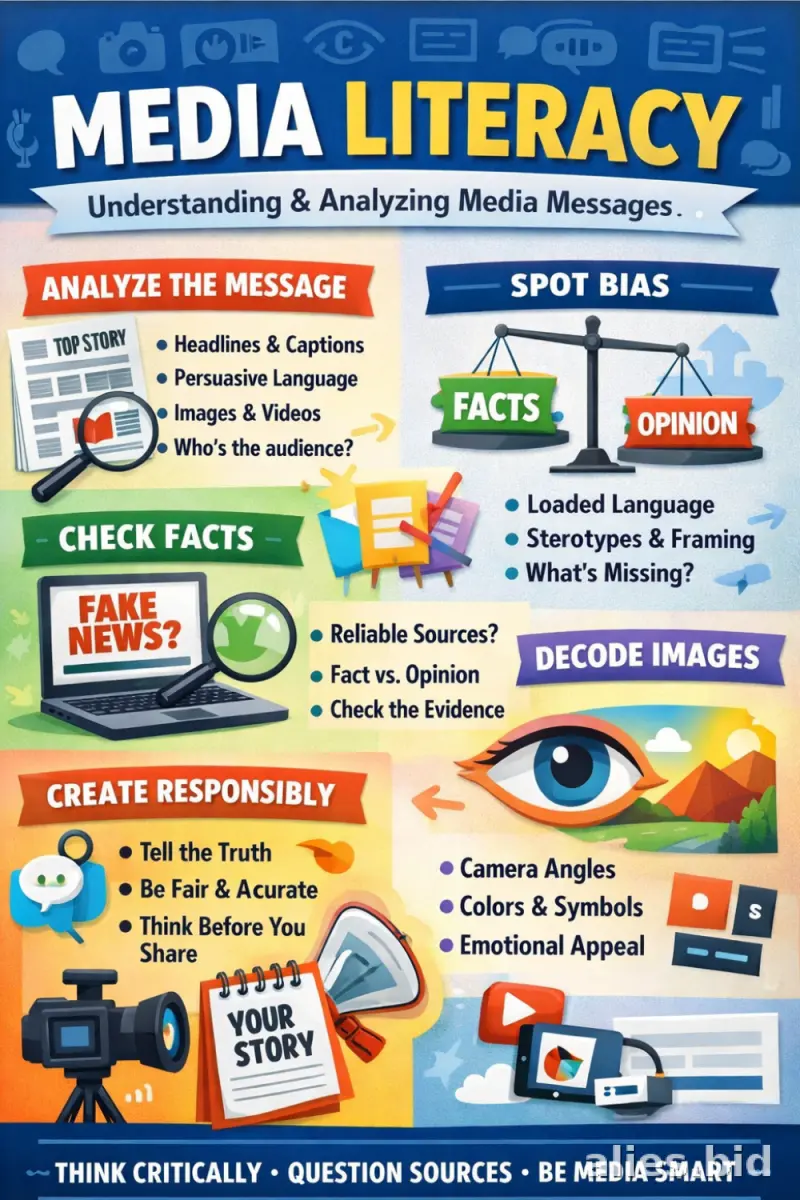
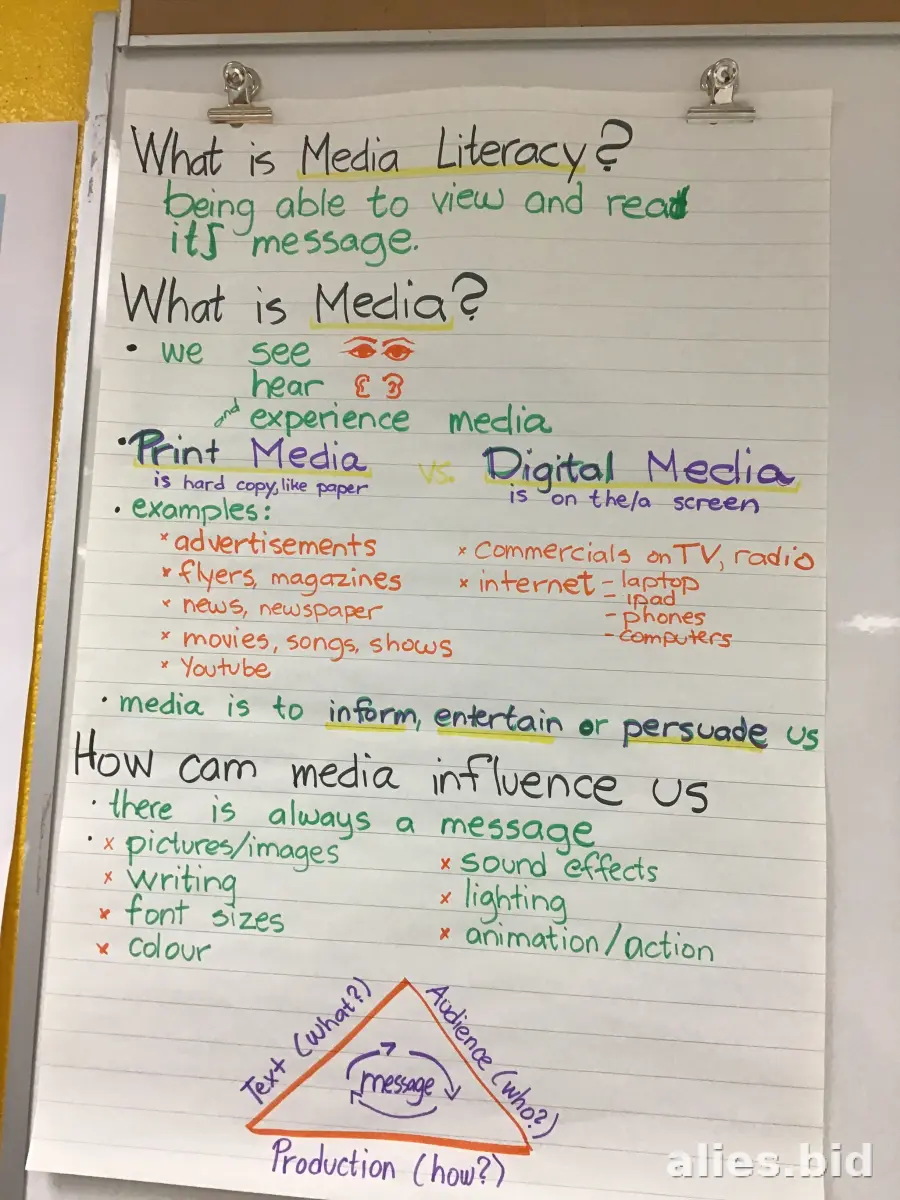
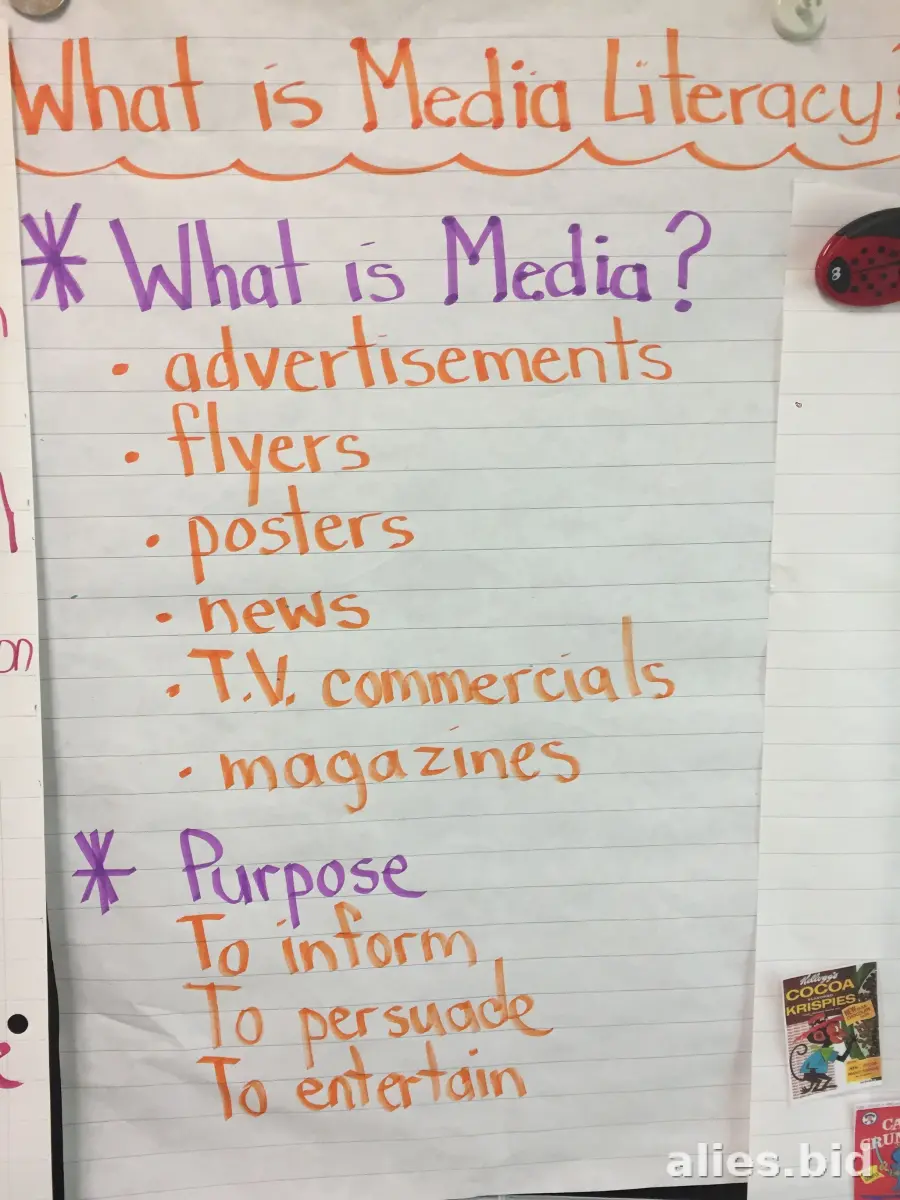
Media literacy is the ability to access, analyze, evaluate, and create media in various forms. It’s not just about understanding the news or being able to spot fake information—it’s about developing a mindset that questions media messages and recognizes their purpose, audience, and impact. In a world where misinformation spreads rapidly and digital content shapes opinions, media literacy is a crucial life skill.
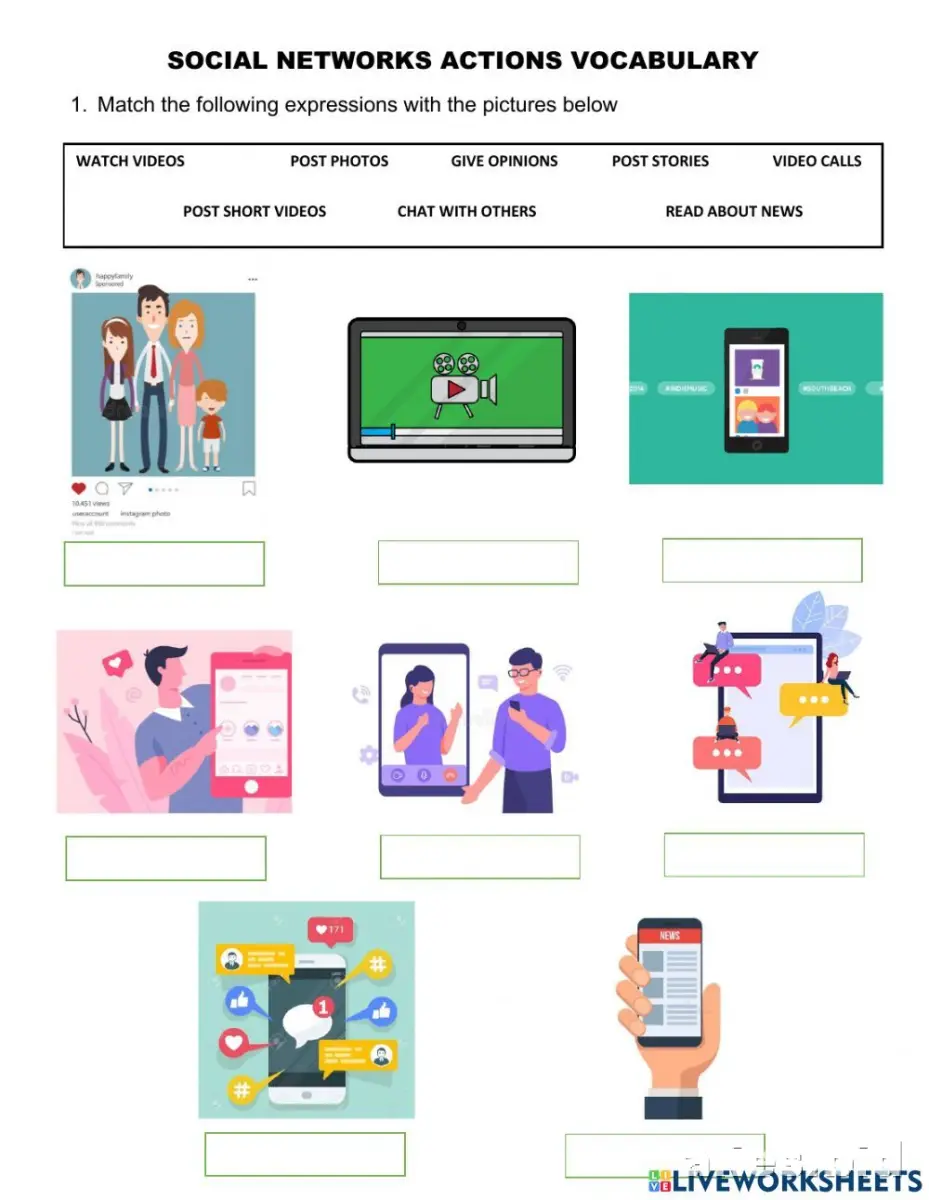
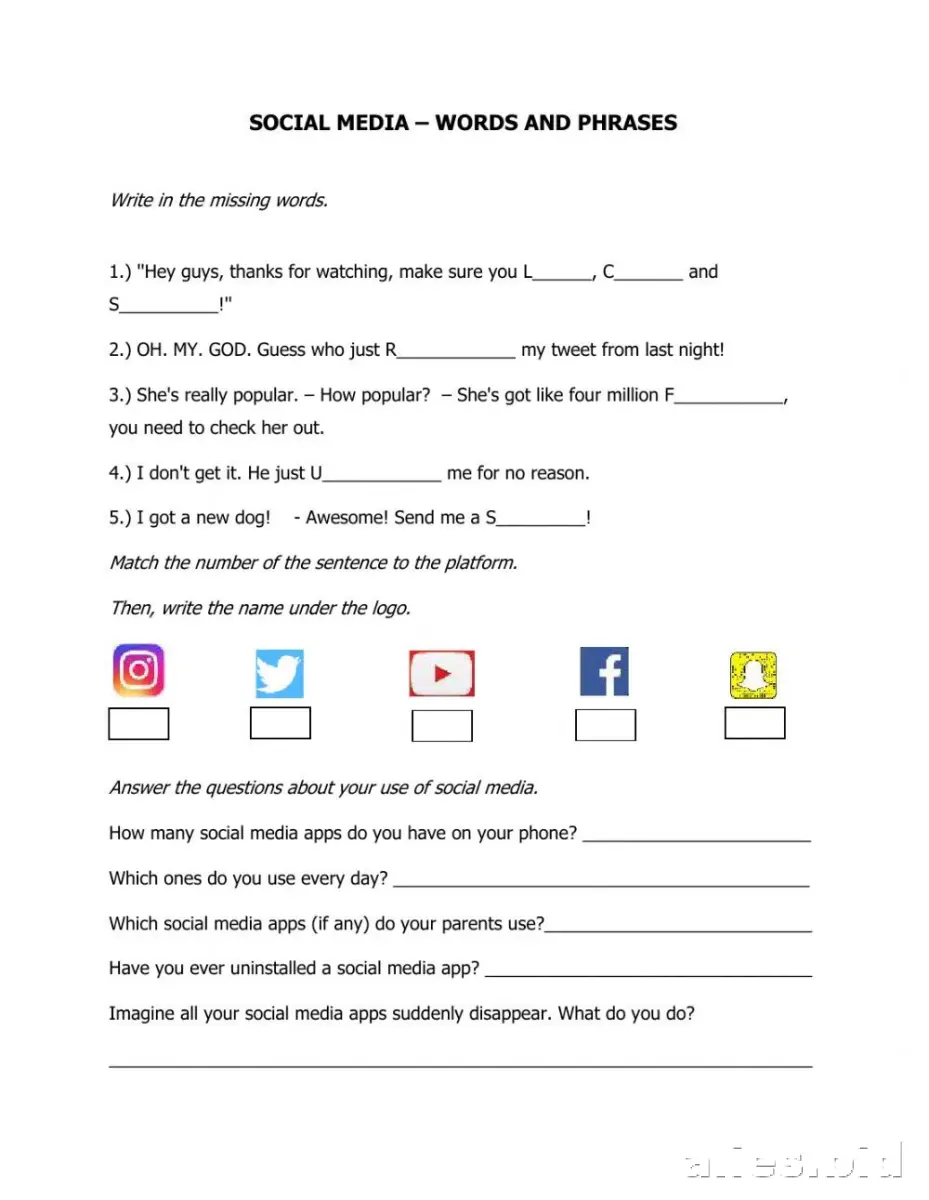
Children today grow up surrounded by media. From TikTok videos to YouTube influencers, from online news to video games, media influences how they see the world and themselves. Without media literacy, students may struggle to distinguish between credible sources and misleading content, leading to confusion, misinformation, or even manipulation. Teaching media literacy helps students become more aware of these influences and equips them to make informed decisions.
For educators and parents, integrating media literacy into learning is more than just a classroom
activity—it’s a way to empower students. It encourages critical thinking, improves communication skills, and supports digital citizenship. When students learn how to question media messages, they become more responsible consumers and creators of content. Whether analyzing a news headline, evaluating an advertisement, or understanding the ethics of sharing information online, media literacy gives students the tools to navigate the digital world confidently and responsibly.
Exploring Free Media Literacy Worksheets for All Ages
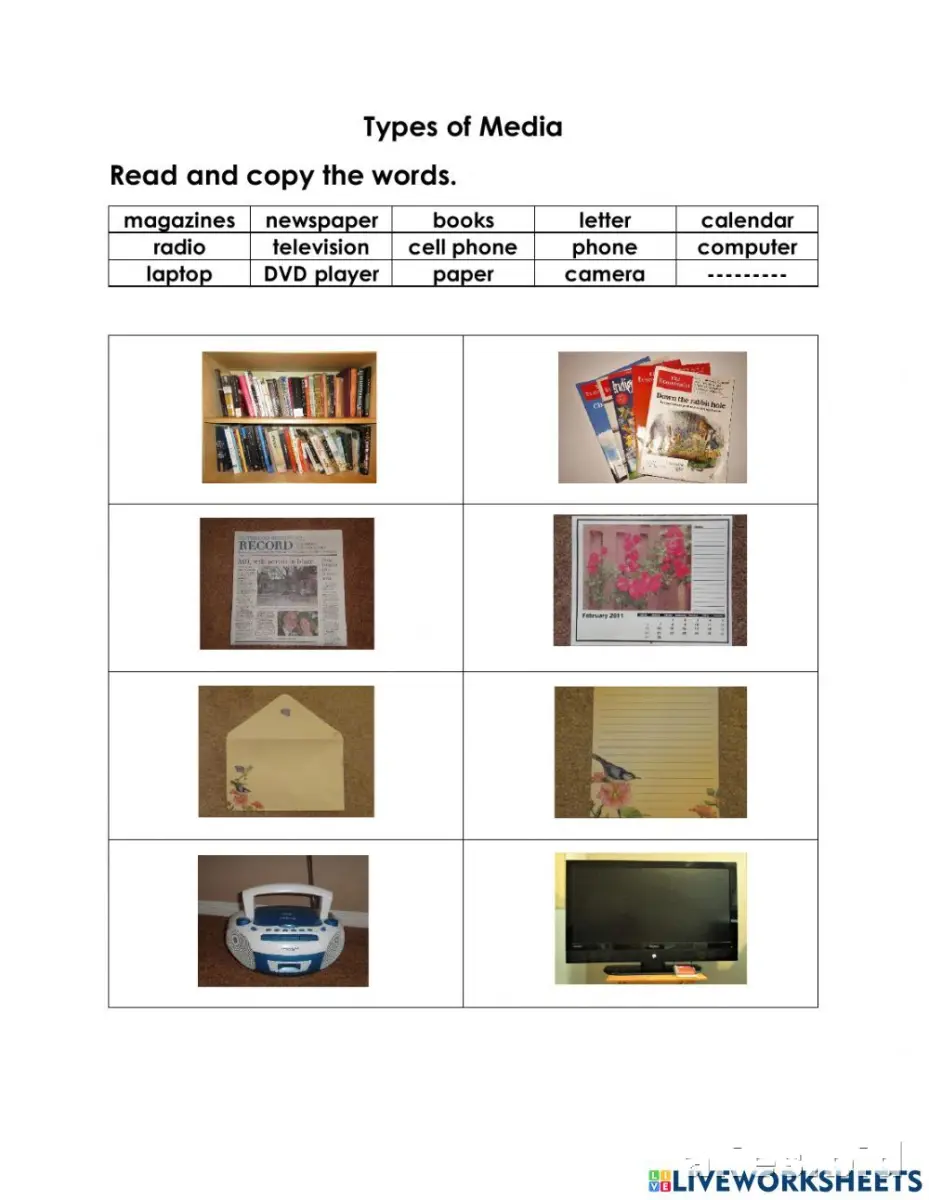
Free media literacy worksheets are excellent tools for educators and parents who want to teach critical thinking and responsible media consumption. These resources are often designed to be adaptable, making them suitable for a wide range of age groups—from elementary students to high schoolers. Many websites and educational organizations offer printable worksheets that cover key media literacy topics such as identifying bias, understanding media ownership, evaluating sources, and recognizing persuasive techniques in advertising.
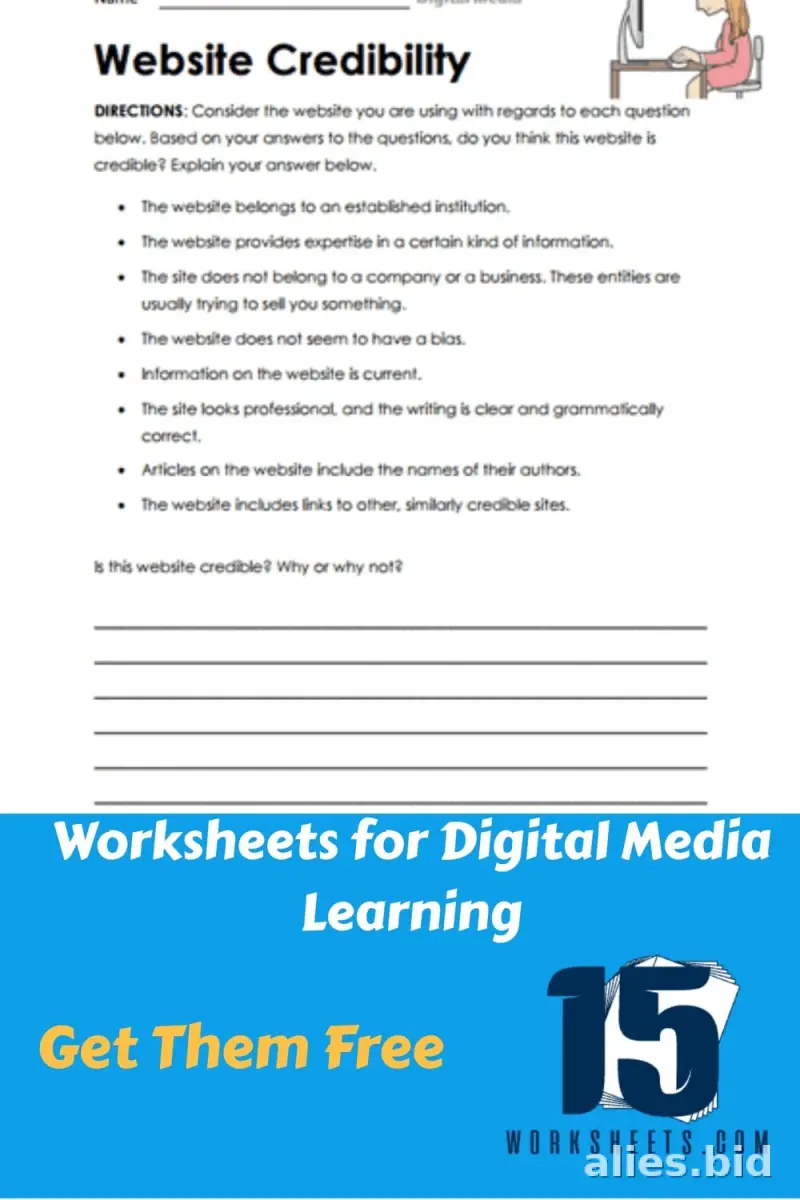
One of the major benefits of using free worksheets is that they provide structured, ready-to-use activities that save time for busy educators. These worksheets often include discussion questions, real-world examples, and interactive exercises that encourage students to think critically about media messages. For instance, a worksheet on advertising might ask students to analyze a commercial and identify the emotional appeals or stereotypes used to influence viewers. Another worksheet might guide students through the process of checking a news source’s credibility by researching the author and publication.
Many of these worksheets also align with curriculum standards, making them easy to integrate into classroom instruction. Teachers can use them as part of language arts, social studies, or digital citizenship lessons. Parents can use them at home to spark meaningful conversations about media habits and digital responsibility. Whether used in a formal lesson or as a casual discussion starter, free media literacy worksheets provide valuable opportunities for students to build essential skills in today’s media-saturated world.
Finding Age-Appropriate Worksheets for Younger Students
When selecting media literacy worksheets for younger students, it’s important to choose materials that match their developmental stage and learning needs. For elementary students, look for worksheets that focus on basic concepts such as identifying advertisements, recognizing emotions in media, and understanding the difference between real and fictional content. These worksheets often use simple language, visual aids, and relatable examples to engage young learners.
A great example is a worksheet that asks students to categorize images or videos as either “real” or “make-believe.” This activity helps children begin to distinguish between factual information and entertainment. Another effective worksheet might involve identifying characters in advertisements and discussing how they are used to sell products. By encouraging students to think critically about what they see on screens, these activities lay the foundation for more advanced media literacy skills.
Teachers and parents can enhance these worksheets by incorporating hands-on discussions and real-life examples. For instance, after completing a worksheet on advertisements, students can watch a commercial together and talk about the techniques used to grab attention. This approach makes media literacy relevant and engaging for young learners.
Adapting Worksheets for Middle and High School Students
For middle and high school students, media literacy worksheets should address more complex topics such as media bias, misinformation, and ethical considerations in digital communication. These students are often more active online and exposed to a wider variety of media sources, making it essential to develop advanced critical thinking skills. Worksheets for this age group might include analyzing news headlines, evaluating the credibility of online sources, or exploring the impact of social media algorithms.
An effective worksheet for middle schoolers might involve comparing news stories from different outlets covering the same event. Students can identify differences in language, tone, and presentation to understand how media bias can shape perception. For high school students, a worksheet could focus on misinformation by asking students to verify a viral claim using fact-checking tools and credible sources.
To make these worksheets more engaging, educators can integrate current events or trending topics that students are already discussing. For example, analyzing a controversial social media post or a misleading infographic can provide real-world context for learning. Encouraging students to create their own media messages—such as designing a responsible social media post or writing a news article—also reinforces their understanding of media production and responsibility.
Key Topics Covered in Media Literacy Worksheets
Media literacy worksheets typically cover a range of essential topics that help students develop critical thinking and responsible media consumption habits. One of the most common themes is
identifying bias and perspective. These worksheets teach students how to recognize different points of view in media messages and understand how bias can influence storytelling. Activities might include analyzing headlines, comparing news coverage from different sources, or identifying loaded language in articles.
Another important topic is
understanding media ownership and influence. Many worksheets explore how media companies operate and how ownership can affect content. Students might be asked to research who owns a particular news outlet or social media platform and consider how that ownership might shape the information presented.
Recognizing advertising techniques is also a core component of media literacy. Worksheets in this category help students identify persuasive strategies used in ads, such as emotional appeals, celebrity endorsements, or limited-time offers. By learning how advertisements are designed to influence behavior, students become more aware consumers.
Additionally, many worksheets focus on
evaluating sources and fact-checking. These resources guide students through the process of verifying information, checking author credentials, and distinguishing between credible and unreliable sources. As misinformation spreads rapidly online, these skills are vital for developing informed digital citizens.
Finally, some worksheets address
digital privacy and ethical media use, teaching students about responsible sharing, online identity, and the consequences of digital footprints. These topics help students navigate the digital world with greater awareness and responsibility.
How to Use Media Literacy Worksheets in the Classroom
Incorporating media literacy worksheets into classroom instruction can be both engaging and impactful. Start by selecting worksheets that align with your current curriculum and learning objectives. For example, if you're teaching a unit on journalism or current events, choose worksheets that focus on identifying bias or evaluating news sources. If you're working on digital citizenship, select worksheets that explore online privacy and ethical media use.
Once you’ve chosen the right worksheets, introduce them with a brief discussion or real-world example to spark interest. For instance, show a short news clip or share a trending social media post before diving into the worksheet. This helps students connect the activity to their own media experiences.
Encourage collaboration by having students work in pairs or small groups to complete the worksheets. Group work allows students to share perspectives, challenge assumptions, and deepen their understanding. After completing the worksheet, facilitate a class discussion to reinforce key concepts and address any misconceptions.
You can also extend learning by assigning follow-up activities, such as creating a class media literacy newsletter or designing responsible social media posts. These extensions help students apply what they’ve learned in meaningful ways and reinforce the importance of critical thinking in everyday media consumption.
Using Media Literacy Worksheets at Home
Parents can play a vital role in reinforcing media literacy skills by using worksheets at home. Start by selecting age-appropriate materials that match your child’s interests and learning level. Many free worksheets are designed for independent use, but working together can make the experience more engaging and educational.
Choose a quiet time to go through the worksheet, such as after dinner or on a weekend morning. Begin by explaining the topic in simple terms and relate it to something your child has recently seen online or on television. For example, if the worksheet is about identifying advertisements, talk about a recent commercial your child has watched and ask questions like, “What was the ad trying to make you feel?” or “Was it trying to sell