The Importance of Counting in Early Childhood Development
Counting is one of the most fundamental skills that children learn during their early years, and it plays a crucial role in developing mathematical thinking. For
preschoolers, counting is not just about reciting numbers; it's about understanding quantity, recognizing patterns, and building number sense. These skills are essential for future learning in subjects like arithmetic, geometry, and problem-solving. As educators and parents, our goal is to make counting engaging and accessible so that young learners can develop confidence in their abilities.
Preschool is a critical time for cognitive development, and counting
worksheets offer a structured yet playful way to introduce these concepts. They help children recognize numerals, understand one-to-one correspondence, and begin to grasp the concept of addition and subtraction. By incorporating counting into daily routines or playtime, we can make learning feel natural and enjoyable. Whether you're a teacher planning classroom activities or a parent looking for ways to support your child's growth, counting worksheets provide a valuable tool for fostering early math skills.
When selecting counting worksheets for preschoolers, it’s important to consider age-appropriate challenges and varied activities. The right balance of fun and educational value ensures that children remain motivated and engaged. With the right approach, counting becomes an exciting journey that sets the foundation for lifelong learning.
What Are Counting Worksheets and Why Are They Useful?
Counting worksheets are educational tools designed to help preschoolers develop their numerical skills through structured practice. These worksheets typically include exercises such as matching numbers to quantities, tracing numerals, identifying missing numbers, and counting objects. They are often accompanied by colorful illustrations and interactive elements to keep young learners interested and motivated.
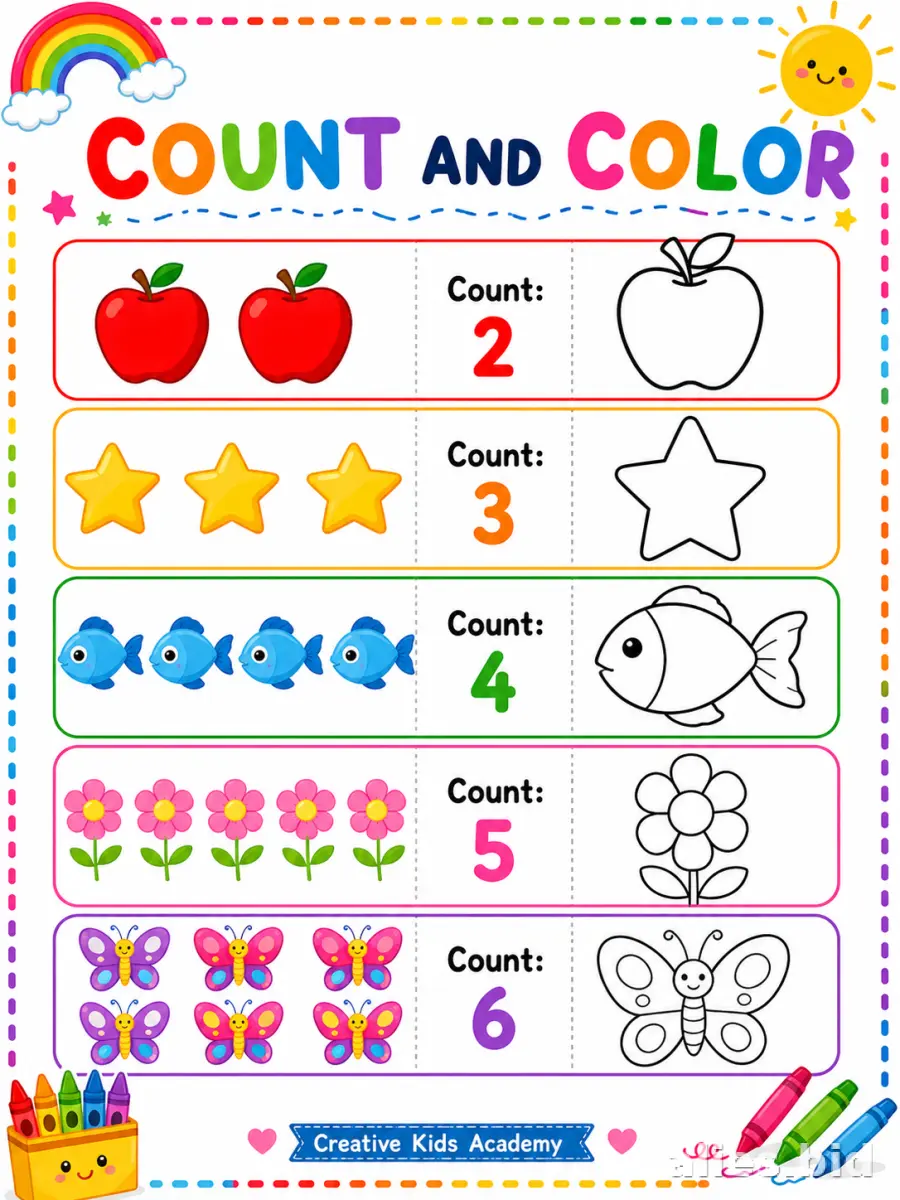
One of the primary benefits of using counting worksheets is that they provide a hands-on approach to learning. Unlike traditional rote memorization, these worksheets encourage active participation, which helps reinforce concepts through repetition and engagement. For example, a worksheet might ask a child to count the number of apples in a picture and then write the corresponding numeral. This type of activity not only teaches counting but also improves fine motor skills and hand-eye coordination.
Another advantage of counting worksheets is their flexibility. They can be used in various settings, whether at home or in the classroom, and can be tailored to meet the individual needs of each child. Teachers can incorporate them into lesson plans, while parents can use them as part of daily routines or homework assignments. Additionally, many counting worksheets are available as printable resources, making them easily accessible for both educators and families.
By integrating counting worksheets into a child’s learning experience, we create opportunities for meaningful interaction with numbers. These worksheets serve as a bridge between abstract concepts and real-world applications, helping preschoolers build a strong foundation in mathematics.
Types of Counting Worksheets for Preschoolers
There are several types of counting worksheets that cater to different developmental stages and learning styles. Each type offers unique benefits and can be adapted to suit the needs of individual children. One common type is
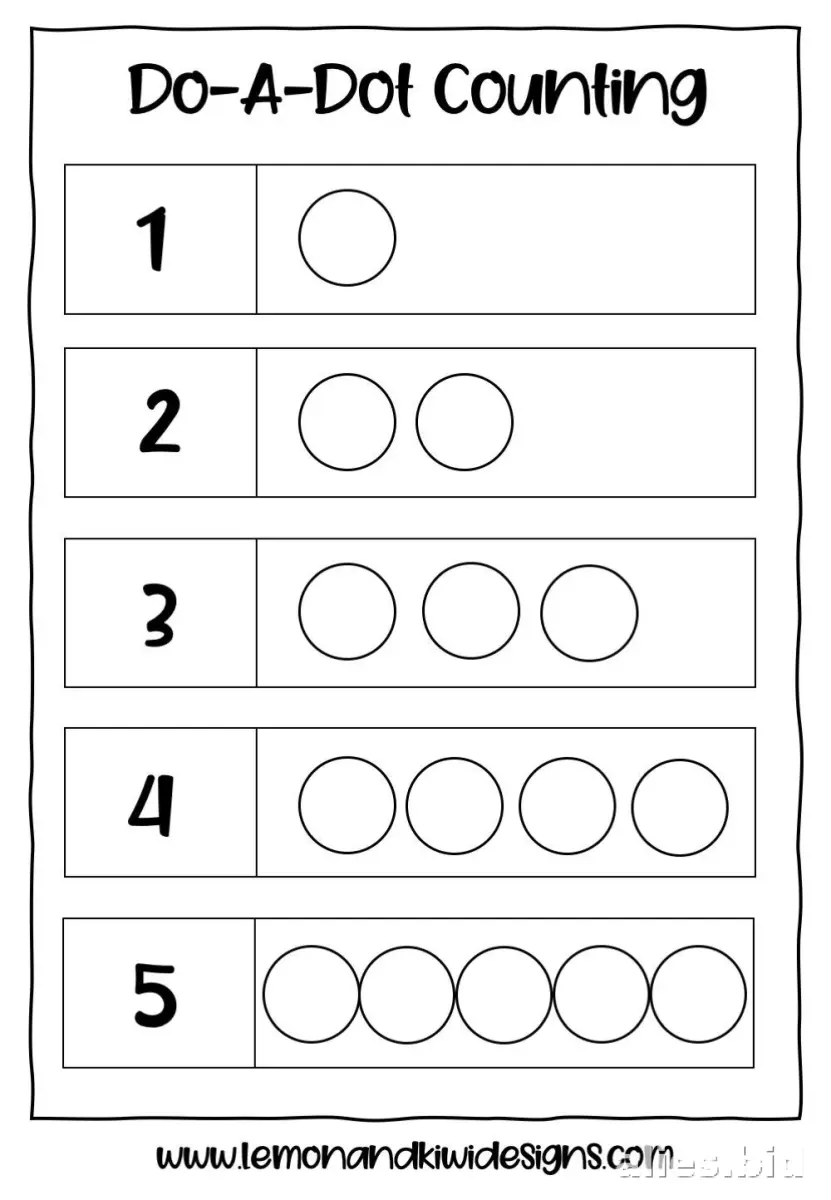
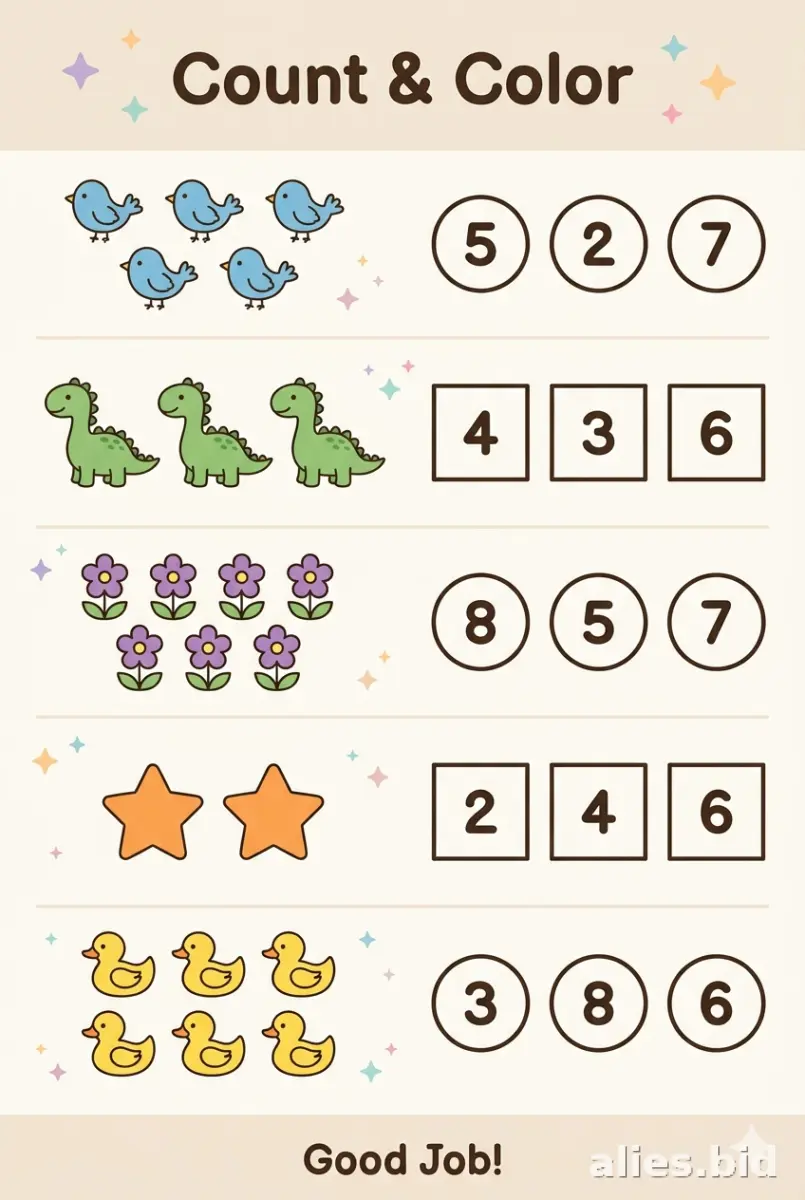
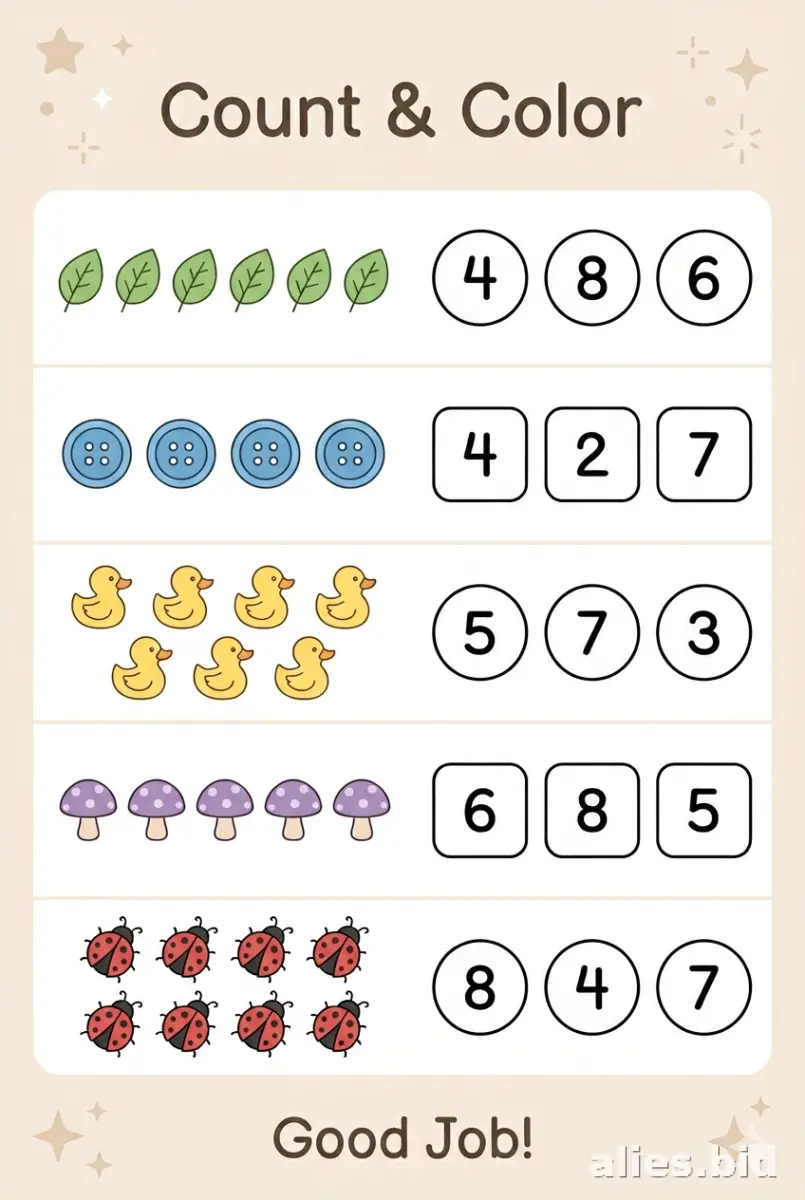
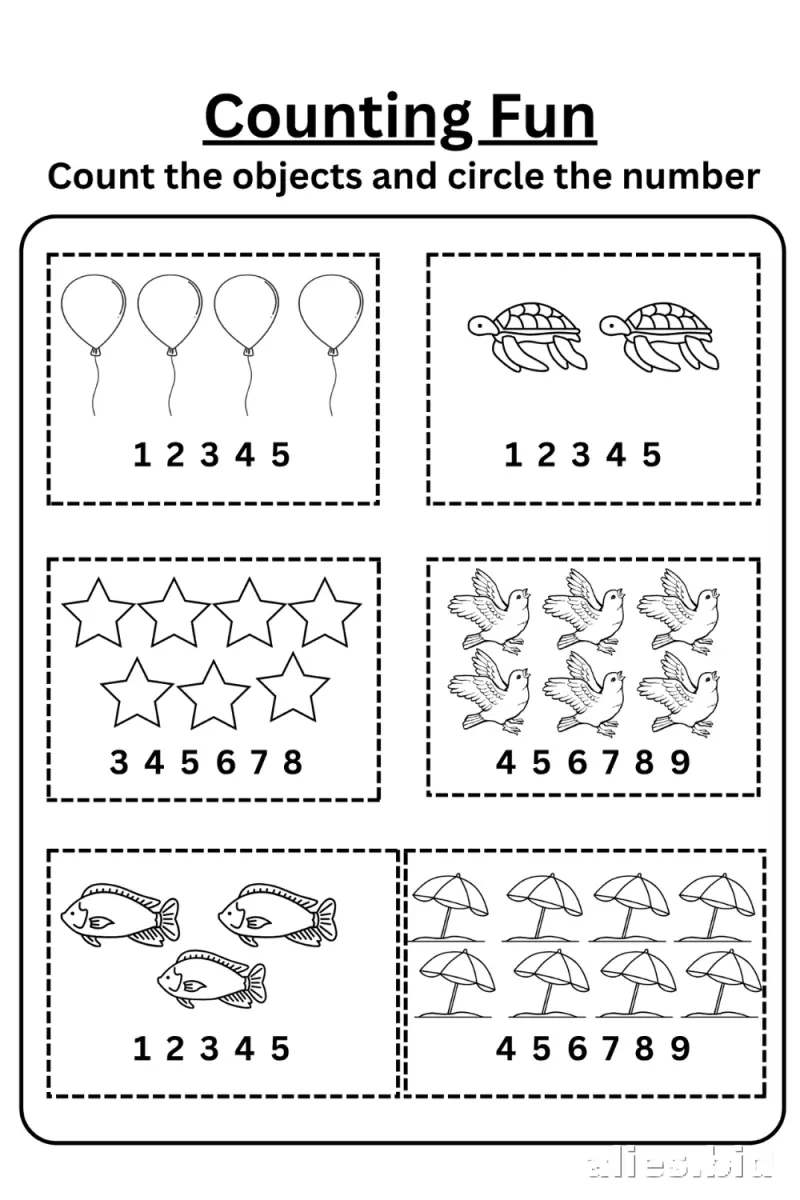
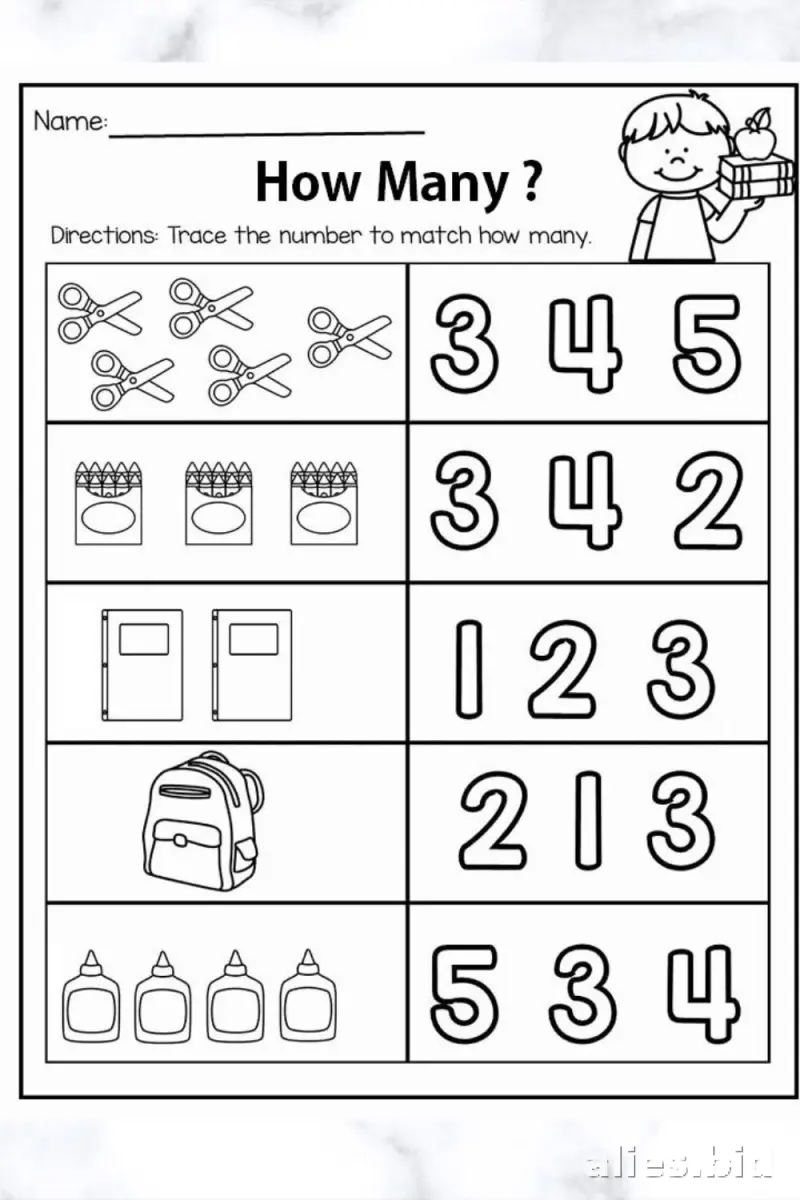
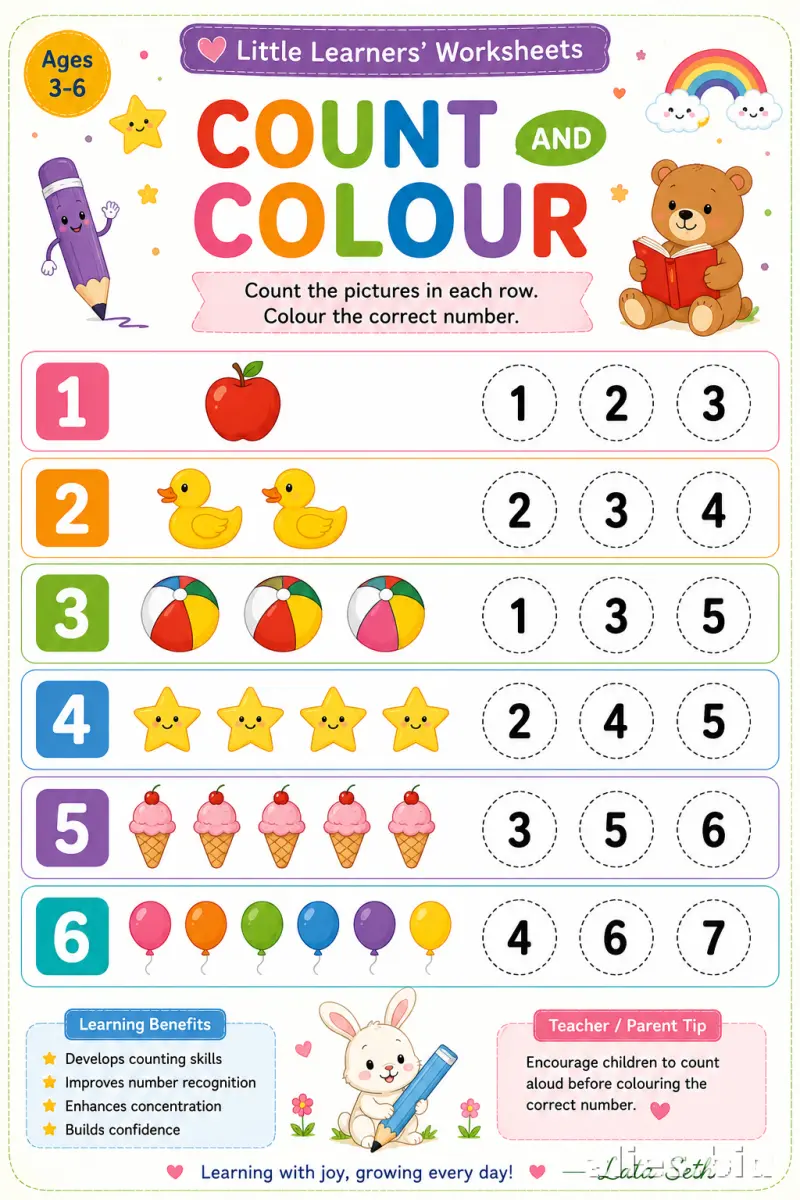
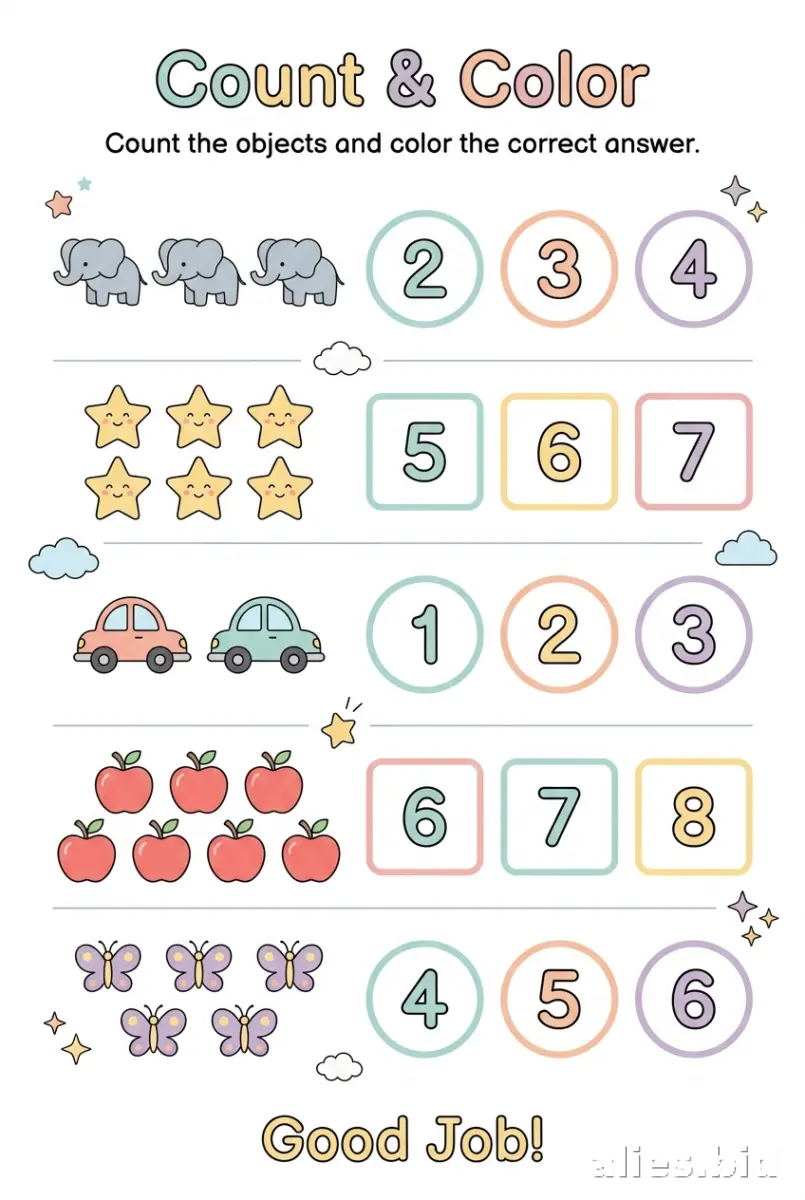
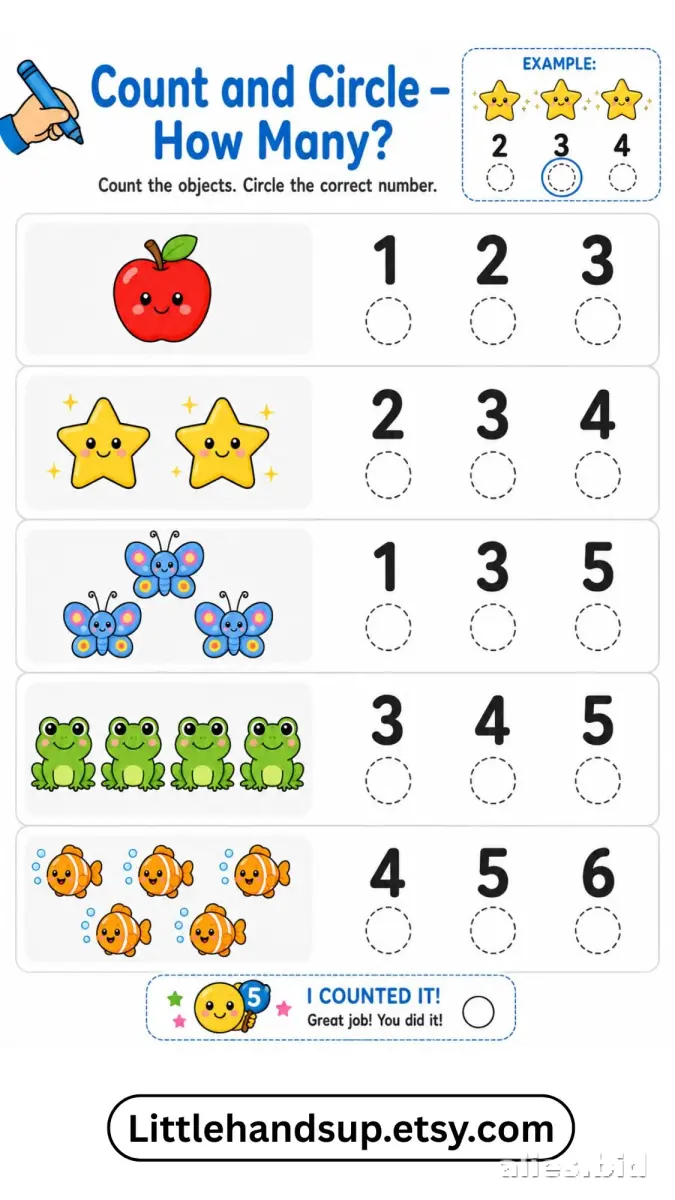
number recognition worksheets, which help preschoolers identify and write numerals from 1 to 10. These worksheets often feature large, clear numbers and accompanying pictures, making it easier for young learners to associate numerals with quantities. For example, a worksheet might show three stars and ask the child to circle the number "3."
Another popular type is
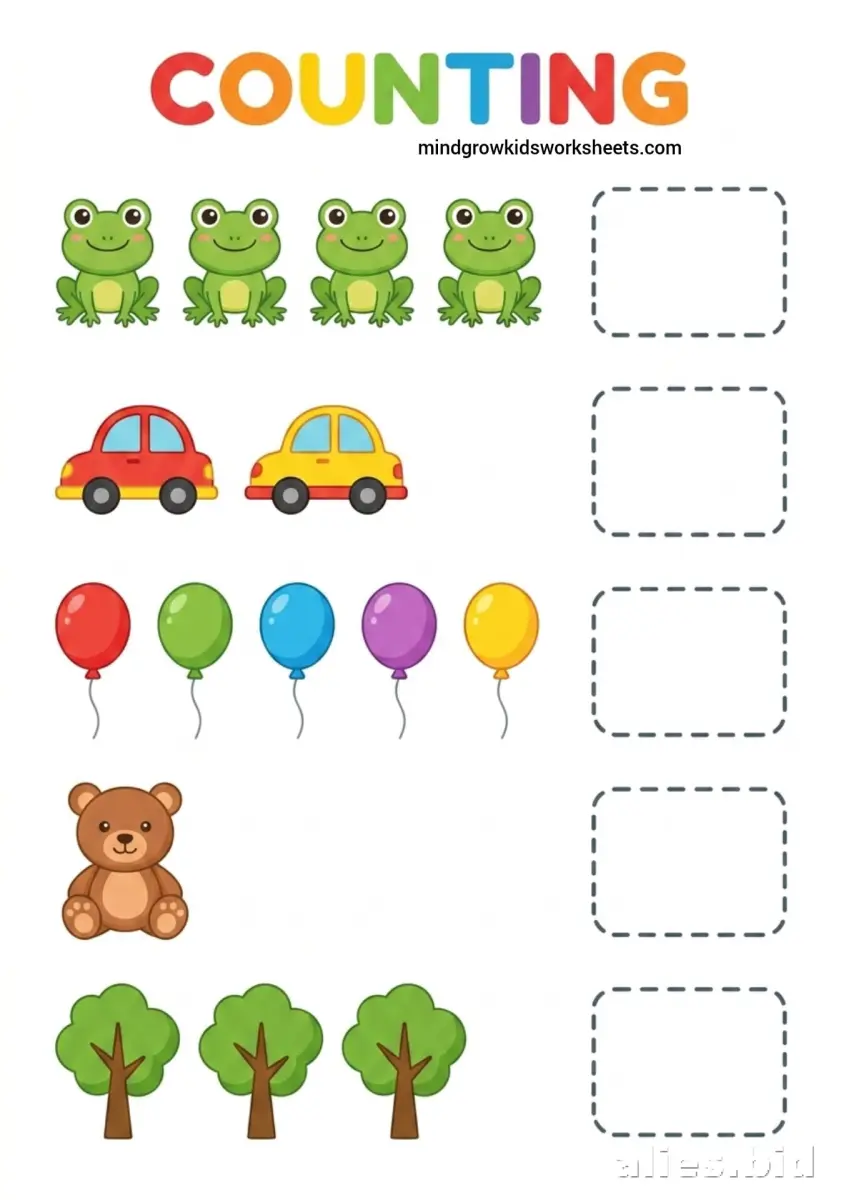
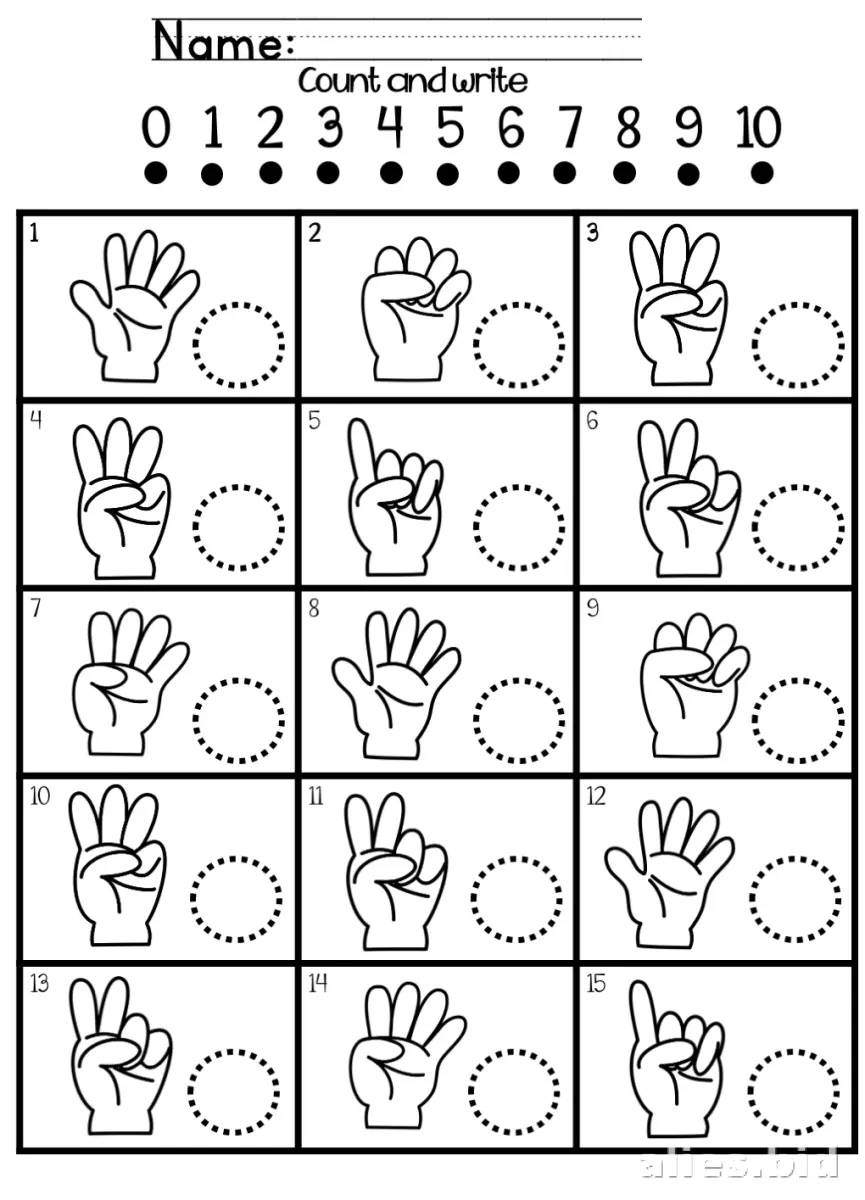
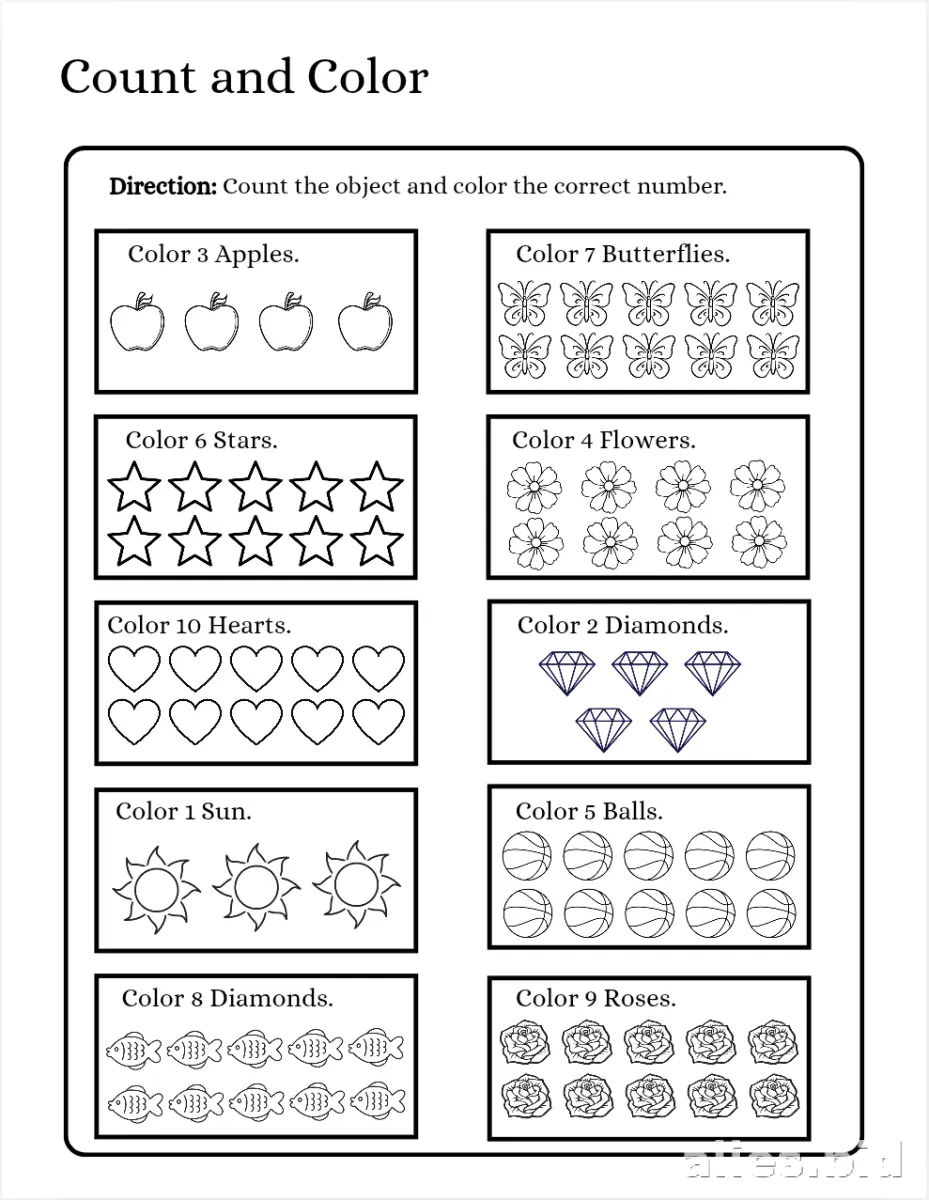
counting objects worksheets, where children are asked to count a set of items and write the corresponding number. These worksheets are excellent for reinforcing one-to-one correspondence, a key concept in early math. A typical activity might involve counting animals, fruits, or shapes and writing the total number in a box. These worksheets also encourage attention to detail and careful observation.
Missing number worksheets are another effective tool for teaching sequential counting. These worksheets present a series of numbers with one or more missing digits, and the child must fill in the blanks. This activity helps children recognize patterns and understand the order of numbers. For instance, a worksheet might list the numbers 1, 2, 4, 5 and ask the child to find the missing number between 2 and 4.
Each of these worksheet types provides a structured yet engaging way for preschoolers to practice counting skills. By varying the activities, educators and parents can keep learning interesting and relevant to a child’s developmental level.
How to Choose the Right Counting Worksheets for Your Child
Selecting the appropriate counting worksheets for your child requires careful consideration of their developmental stage, learning style, and interests. Start by assessing your child’s current skill level. If they are just beginning to recognize numbers, focus on worksheets that emphasize number identification and basic counting. For children who have a good grasp of numbers up to 10, move on to more advanced activities such as counting objects, matching numbers to quantities, and sequencing numbers.
Next, consider the learning style of your child. Some children thrive with visual aids, while others prefer hands-on activities. If your child enjoys drawing or coloring, look for worksheets that include illustrations and allow for creative expression. On the other hand, if your child prefers structured tasks, opt for worksheets with clear instructions and repetitive exercises that reinforce specific skills.
It’s also important to align the worksheets with your child’s interests. Incorporating themes such as animals, vehicles, or space can make counting more engaging and relevant. For example, a worksheet featuring animals can help your child count and identify different creatures while practicing number recognition. Similarly, a worksheet with vehicles can make counting feel like a fun activity rather than a chore.
Finally, ensure that the worksheets are age-appropriate and challenging enough to promote growth without causing frustration. Look for materials that offer a balance between difficulty and accessibility, allowing your child to build confidence and competence in their counting abilities.
Tips for Using Counting Worksheets Effectively
To maximize the benefits of counting worksheets, it's essential to approach them with a thoughtful and engaging mindset. First, create a positive learning environment that encourages curiosity and exploration. Allow your child to work at their own pace, and avoid pressuring them to complete tasks quickly. Instead, focus on celebrating small successes and maintaining a supportive atmosphere. When a child feels safe and encouraged, they are more likely to engage with the material and retain what they learn.
Incorporate counting worksheets into daily routines to make learning feel natural and consistent. For example, use counting activities during snack time by asking your child to count the number of cookies or pieces of fruit. This not only reinforces counting skills but also connects learning to everyday experiences. Similarly, integrate counting into playtime by using toys or household items to practice counting in a fun and interactive way.
Another effective strategy is to combine worksheets with hands-on activities. After completing a counting worksheet, encourage your child to use physical objects to represent the numbers they’ve practiced. For instance, if they counted five blocks on a worksheet, ask them to place five blocks in front of them and count them aloud. This tactile approach helps solidify their understanding and makes abstract concepts more concrete.
Lastly, vary the types of worksheets you use to keep learning dynamic and interesting. Mix number recognition, counting objects, and sequencing activities to provide a well-rounded experience. By adapting worksheets to suit your child’s needs and interests, you can create a meaningful and enjoyable learning journey.
Making Counting Fun and Engaging for Preschoolers
Keeping preschoolers engaged while practicing counting can be a challenge, but there are several strategies to make the process enjoyable and rewarding. One effective method is to incorporate games and interactive activities into counting practice. Simple games like "I Spy" or "Count and Find" can turn counting into a fun
scavenger hunt. For example, you might say, "I spy something with three legs," and your child can search the room for a chair or a stool. This type of activity encourages active participation and reinforces number recognition in a playful context.
Another way to make counting more engaging is by using storytelling. Create simple stories that involve counting, such as a tale about a group of animals going on a journey and counting the number of steps they take or the number of trees they pass. This not only makes counting more relatable but also enhances language and comprehension skills. You can also use puppets or stuffed animals to act out the story, making the experience even more immersive.
Additionally, incorporating music and movement can help preschoolers remember numbers and quantities. Singing counting songs or creating simple rhymes can make learning feel less like a chore and more like a game. For instance, you might sing a song that goes, "One, two, three, four, five, I can count up to ten!" and encourage your child to move their arms or jump to the rhythm. These multisensory approaches help reinforce concepts and make counting a joyful part of everyday life.
By using a variety of engaging methods, educators and parents can transform counting into an exciting and memorable learning experience for preschoolers. When children enjoy the process, they are more likely to stay motivated and continue developing their mathematical skills.