The Educational Value of Maze Activity Sheets
Maze activity sheets are more than just a fun pastime for children; they offer a range of educational benefits that support cognitive development. These worksheets help improve problem-solving skills, hand-eye coordination, and concentration. As children navigate through the twists and turns of a maze, they learn to think critically and make decisions. This process encourages perseverance and patience, as they work through challenges to find the correct path. In addition to cognitive skills, maze activity sheets can enhance fine motor skills. As kids use their pencils or crayons to trace the path, they develop better control over their hand movements. This is especially beneficial for younger children who are still building these foundational abilities. The repetitive nature of drawing lines and following paths helps reinforce muscle memory, making it an excellent tool for early childhood education. Mazes also provide an opportunity for creative expression. While the primary goal is to find the correct route, children can add personal touches by coloring the maze or creating their own designs within the boundaries. This blend of structure and creativity makes maze activity sheets a versatile resource for both classroom and home use. Teachers and parents can leverage this format to engage children in learning while keeping them entertained.Enhancing Cognitive Development Through Mazes
Mazes are a powerful tool for developing cognitive abilities in children. As they attempt to solve a maze, they must analyze the layout, identify patterns, and anticipate potential obstacles. This mental exercise strengthens their ability to think logically and plan ahead. For example, a child working on a maze with multiple dead ends must evaluate each choice carefully, which builds decision-making skills. Moreover, mazes help improve spatial awareness. Children learn to visualize the path and understand how different sections of the maze connect. This skill is essential for subjects like mathematics and science, where spatial reasoning plays a significant role. By regularly engaging with mazes, children become more adept at understanding complex structures and relationships between objects. Another key benefit of mazes is their ability to foster focus and attention to detail. Solving a maze requires sustained concentration, as even a small mistake can lead the child off track. This practice helps build the discipline needed for academic tasks such as reading, writing, and studying. Over time, children who frequently engage with mazes may show improved performance in school due to enhanced mental stamina and precision.Supporting Fine Motor Skills and Hand-Eye Coordination
Fine motor skills are crucial for a child's development, and maze activity sheets provide an effective way to strengthen these abilities. As children draw lines through the maze, they refine their grip on writing tools and improve their control over small muscle movements. This is particularly important for tasks such as writing, cutting, and using scissors, which require precise hand movements. The repetitive motion of tracing a path also enhances hand-eye coordination. Children must align their visual perception with their physical actions, ensuring that their pencil moves along the intended route. This coordination is vital for activities like reading, where the eyes and hands work together to follow text and complete written tasks. To maximize the benefits of maze activity sheets, teachers and parents can encourage children to use different tools, such as markers, crayons, or even styluses on digital devices. This variety keeps the activity engaging and allows children to explore different ways of interacting with the maze. Additionally, incorporating mazes into daily routines—such as during quiet time or as part of a homework session—can help reinforce these skills consistently.How to Choose the Right Maze Activity Sheets for Different Age Groups
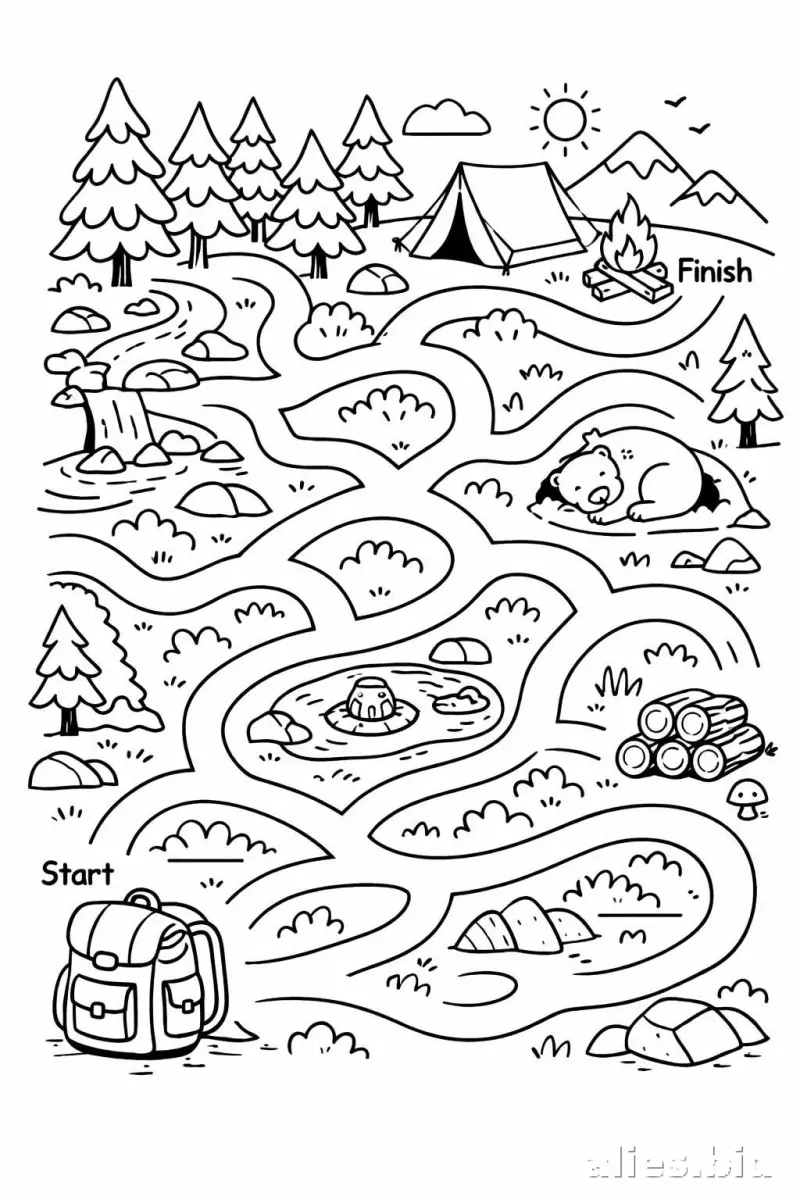
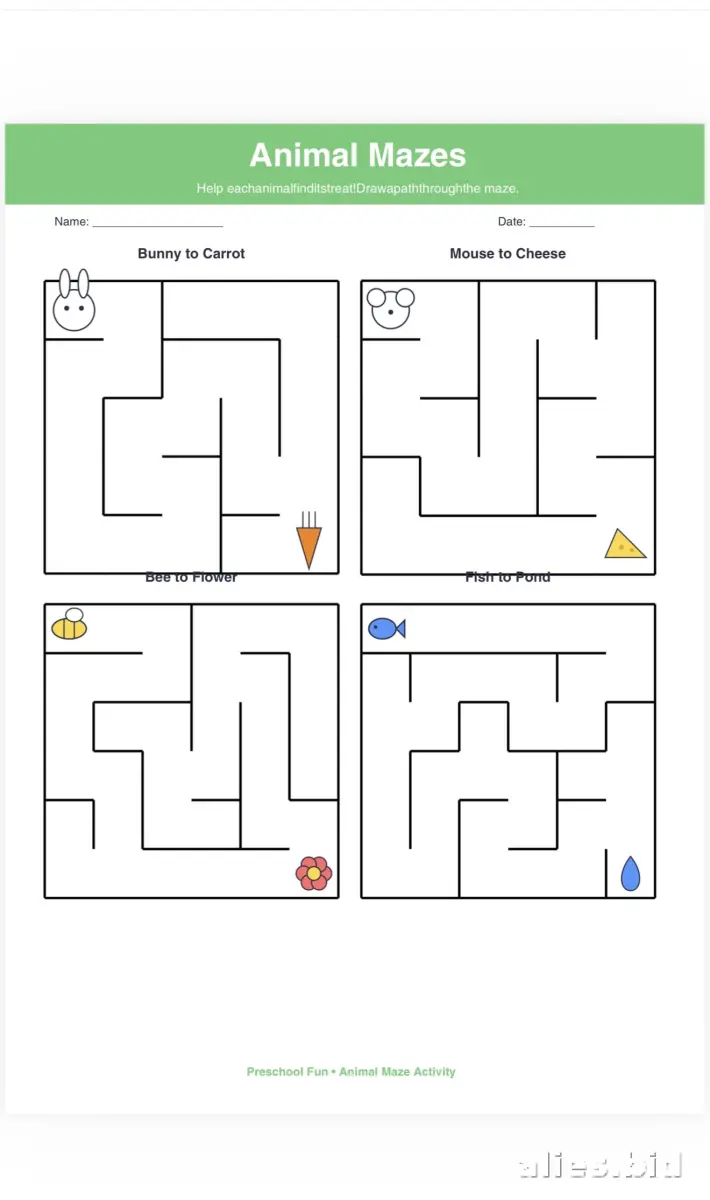
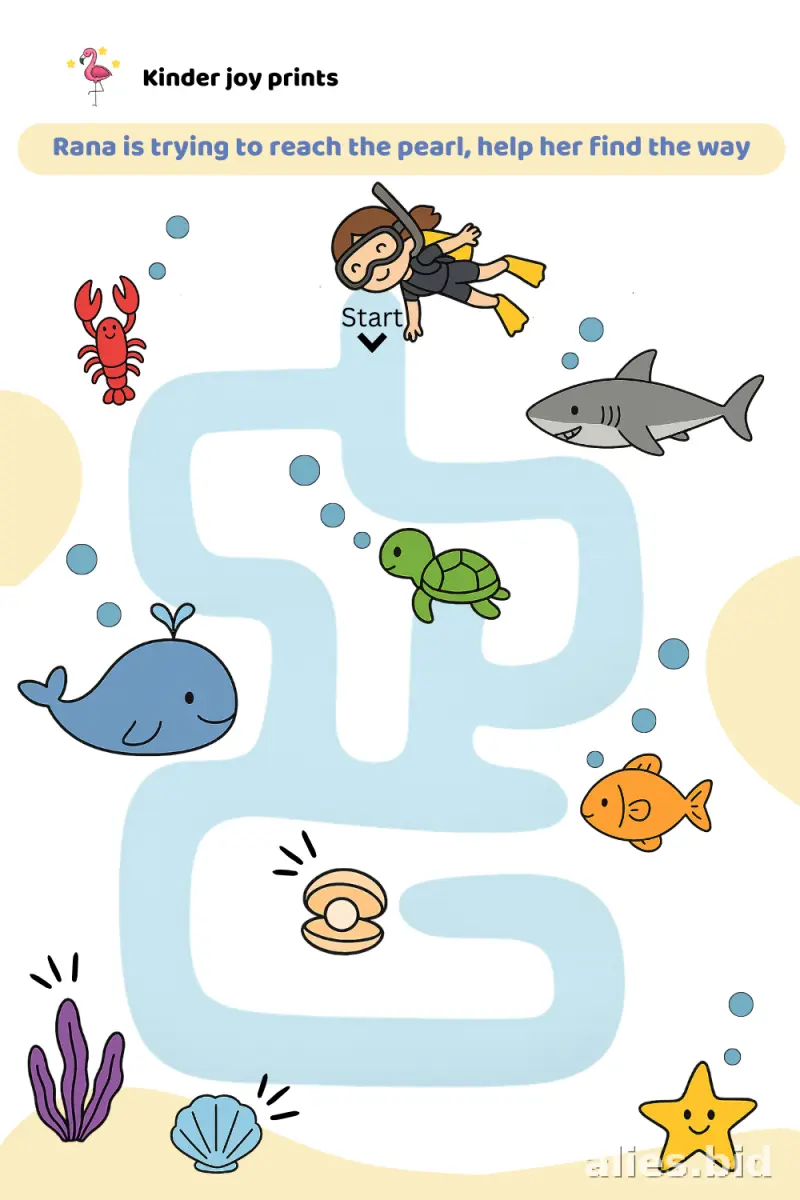
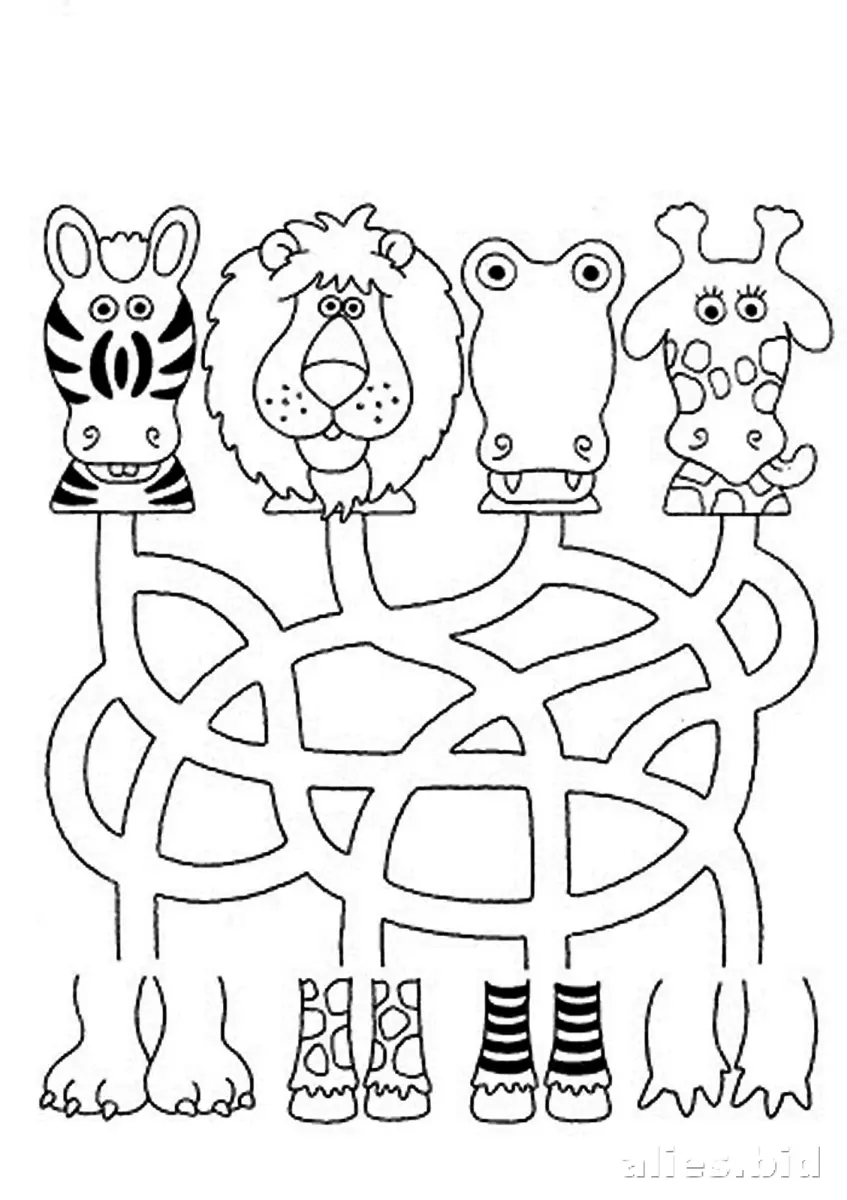
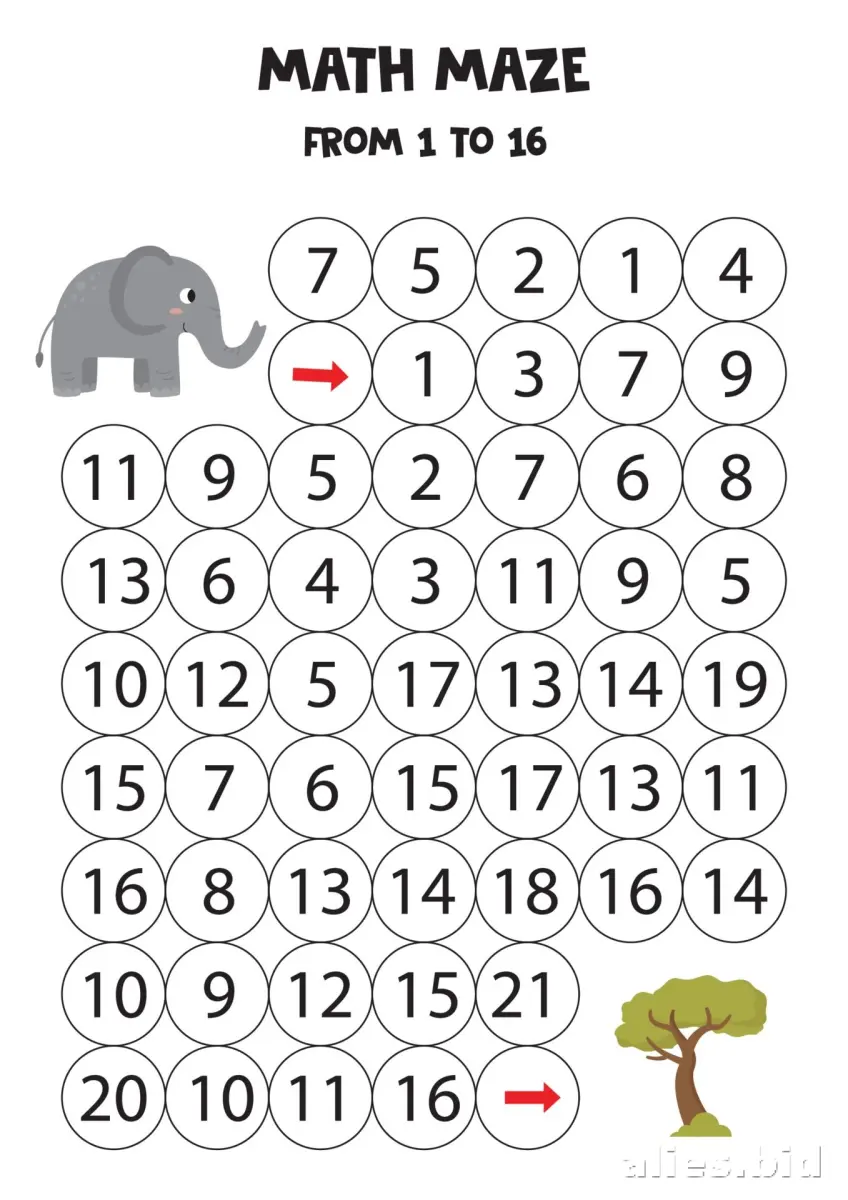
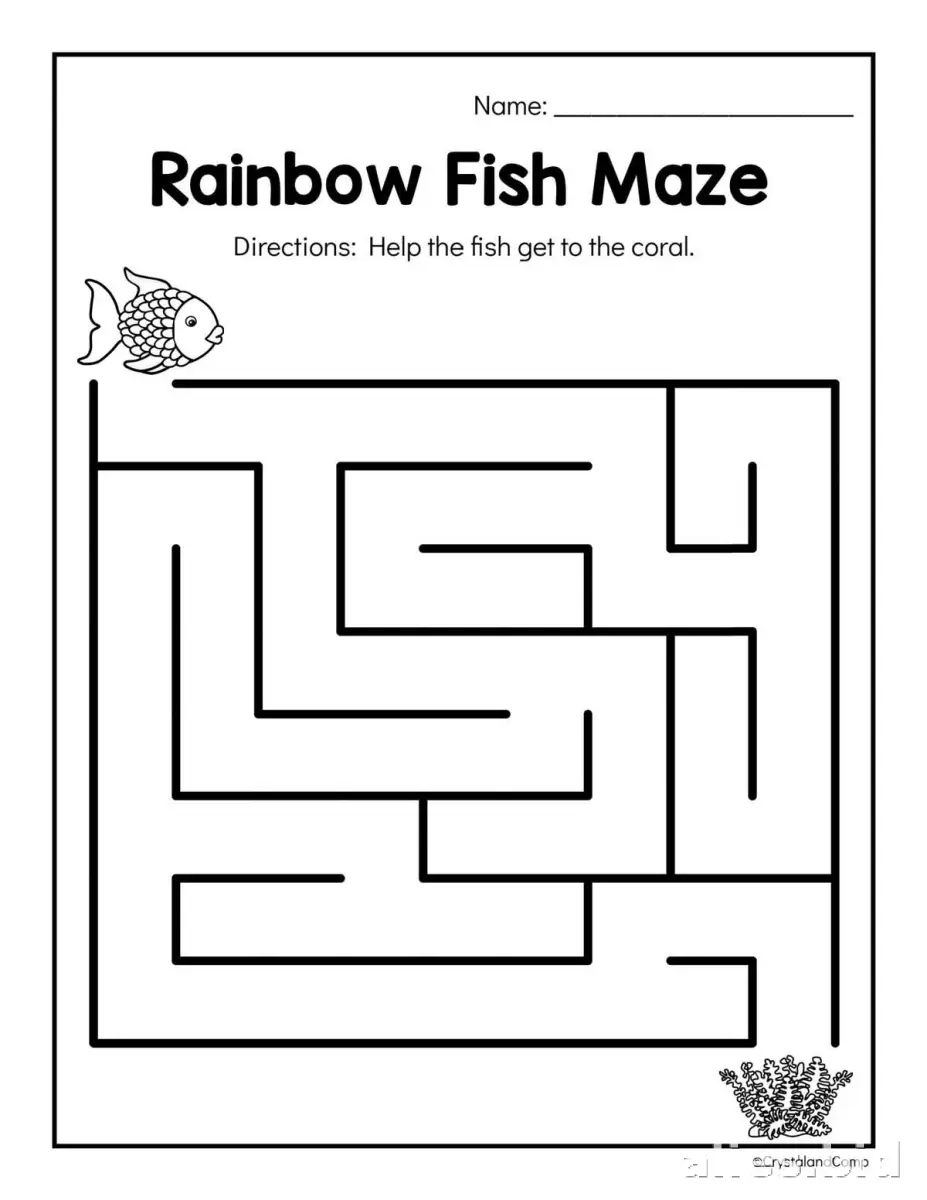
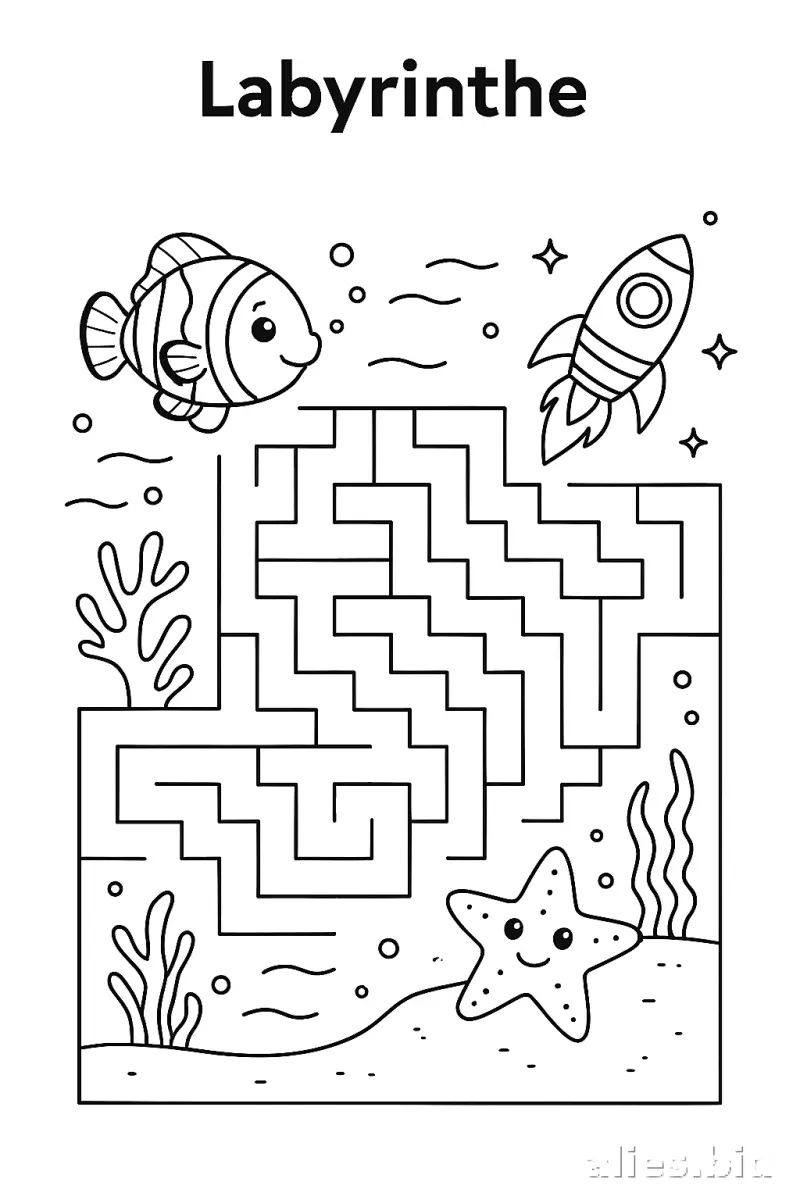
Selecting the appropriate maze activity sheets for children depends on their age, developmental stage, and interests. For preschoolers, simple mazes with large, clear paths are ideal. These mazes often feature cartoon characters or familiar shapes, making them visually appealing and easy to navigate. As children grow older, the complexity of the mazes should increase to match their improving cognitive and motor skills. For elementary school-aged children, mazes with more intricate designs and additional challenges can be introduced. These may include hidden objects, number sequences, or letter recognition elements. Such variations not only keep the activity engaging but also integrate learning objectives into the puzzle-solving process. For instance, a maze that requires finding specific letters or numbers can reinforce alphabet or math skills in a fun and interactive way. Parents and educators should also consider the theme of the maze when selecting worksheets. Themed mazes, such as those featuring animals, space, or holidays, can capture a child's interest and make the activity more enjoyable. Choosing mazes that align with a child’s current interests increases the likelihood of sustained engagement and repeated use.Matching Complexity to Skill Levels
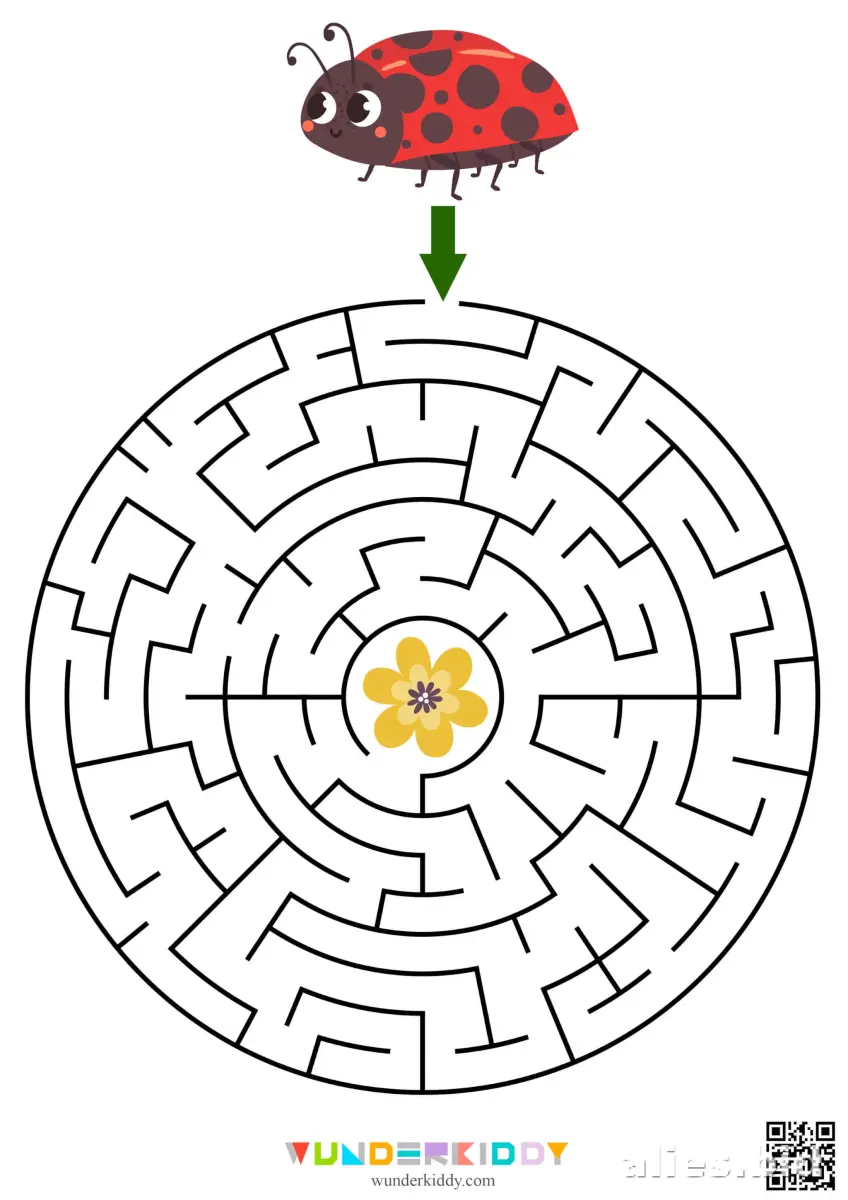
When choosing maze activity sheets, it's essential to match the difficulty level to the child's current abilities. For younger children, mazes with minimal dead ends and straightforward routes are best. These allow them to build confidence and gradually develop the skills needed for more challenging puzzles. As they progress, introducing mazes with more complex patterns and multiple paths can help stretch their problem-solving capabilities. For older children, mazes that incorporate logic or strategy can provide an added challenge. These might include mazes that require the child to follow a sequence of steps or avoid certain areas based on specific rules. Such mazes encourage critical thinking and planning, which are valuable skills for academic and real-world situations. It's also helpful to vary the types of mazes used. Some may focus on visual tracking, while others emphasize pattern recognition or spatial reasoning. By offering a range of maze styles, children can experience different cognitive challenges and continue to grow in their abilities. Regularly updating the selection of mazes ensures that the activity remains fresh and stimulating for the child.Incorporating Themes and Interests
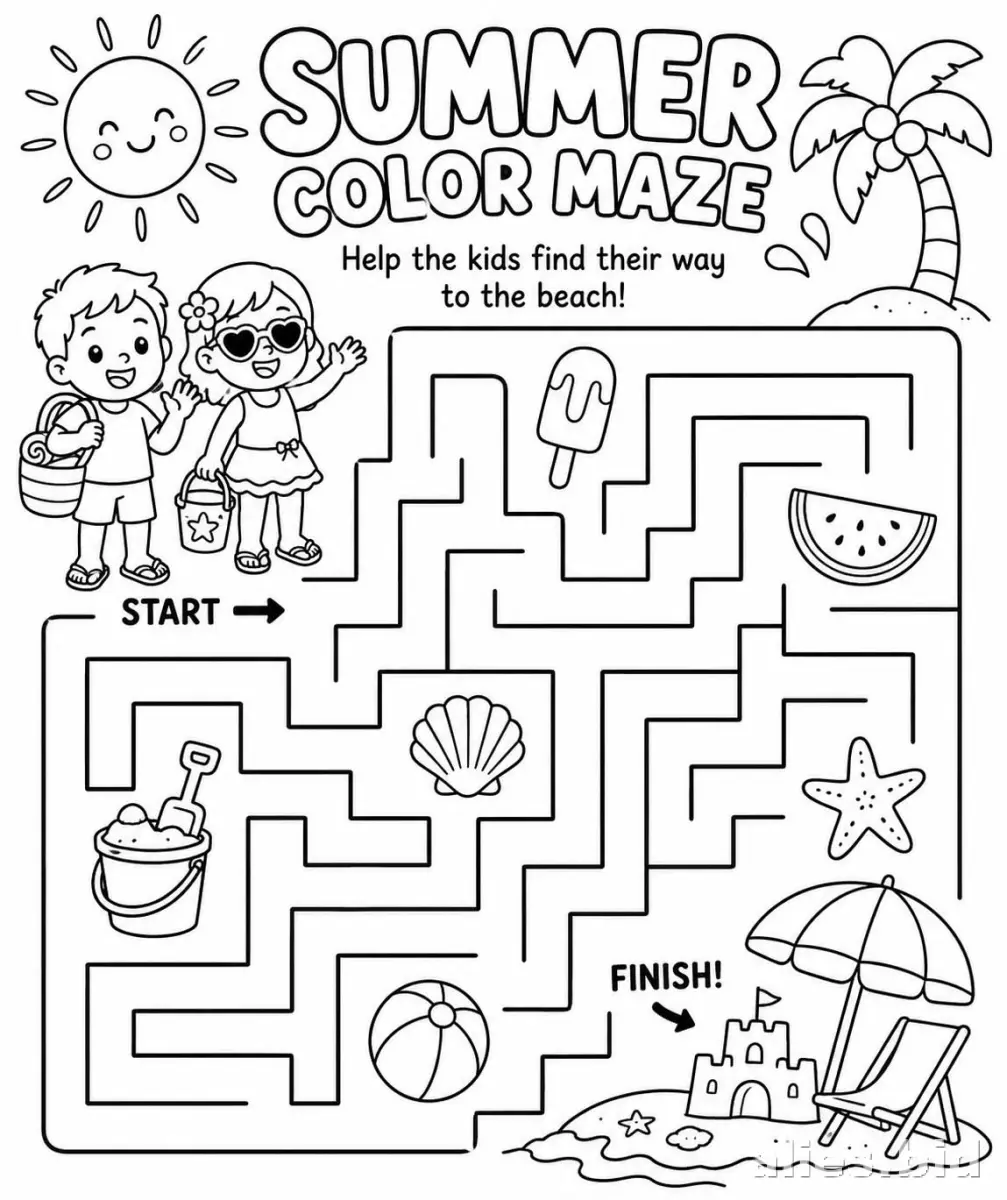
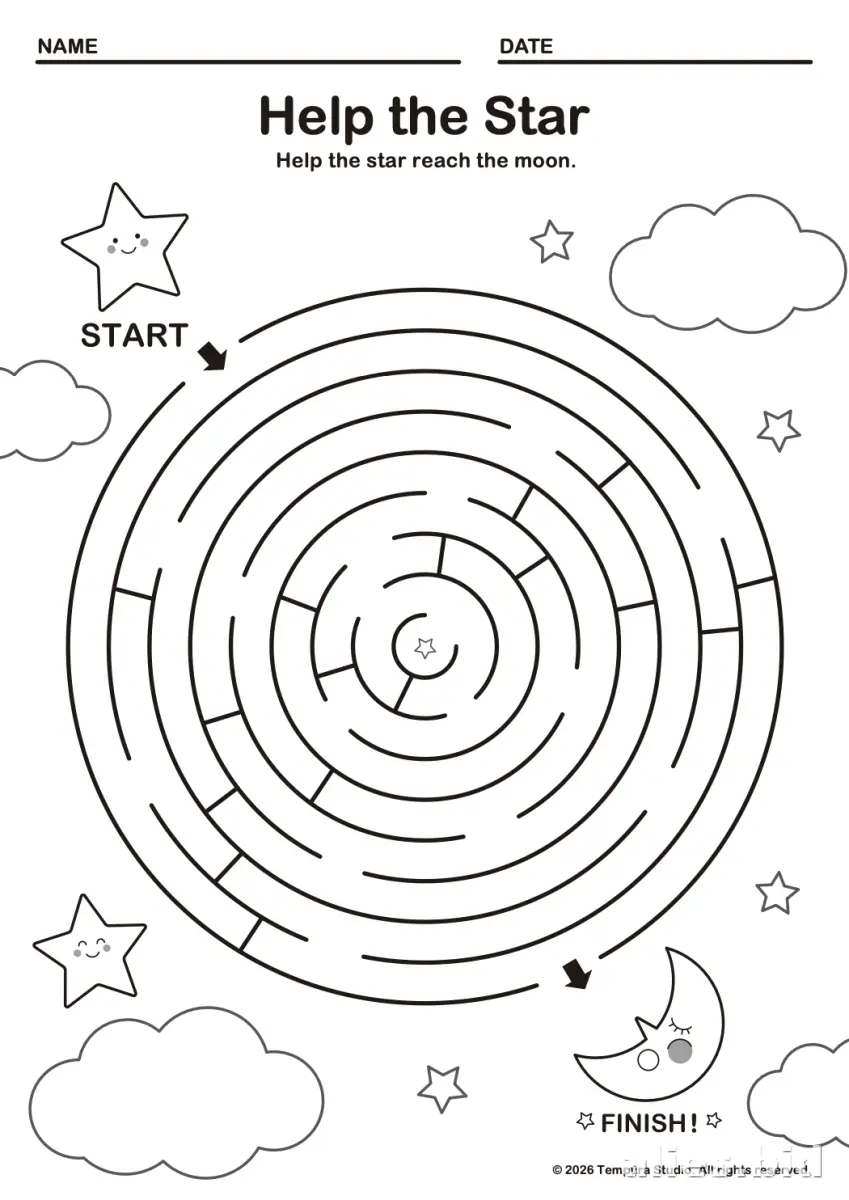
Themes and interests play a significant role in making maze activity sheets more engaging for children. When a maze features a topic that a child enjoys, such as dinosaurs, superheroes, or space exploration, it can increase their motivation to complete the task. This connection between the activity and the child's interests makes the learning process more enjoyable and meaningful. Educators and parents can take advantage of seasonal themes to keep mazes relevant and exciting. For example, a Halloween-themed maze might involve navigating a haunted house, while a summer-themed maze could take the child through a beach or a garden. These themed mazes not only provide entertainment but also introduce children to new concepts and vocabulary related to the theme. Incorporating cultural or educational themes can also enrich the maze experience. A maze featuring famous landmarks, historical figures, or scientific concepts can spark curiosity and encourage learning beyond the puzzle itself. By tailoring mazes to a child's interests and educational goals, parents and teachers can create a more personalized and effective learning tool.Creative Ways to Use Maze Activity Sheets in Learning
Maze activity sheets can be integrated into various learning activities to enhance educational outcomes. One effective approach is to use mazes as a warm-up exercise before starting a lesson. This helps activate a child's brain and prepare them for focused learning. For example, a teacher might use a maze that includes letters or numbers to review basic literacy or numeracy skills before diving into a more complex task. Another creative method is to combine mazes with storytelling. Children can be asked to follow a maze that represents a journey or adventure, encouraging them to imagine the story as they solve the puzzle. This approach fosters creativity and narrative thinking, making the activity more engaging and multidimensional. Teachers can also ask students to write a short story based on the maze's path, reinforcing both reading and writing skills. Incorporating mazes into group activities can also promote collaboration and social skills. Students can work together to solve a larger maze, discussing strategies and supporting each other along the way. This teamwork not only makes the activity more enjoyable but also teaches important interpersonal skills such as communication and cooperation.Using Mazes for Cross-Curricular Learning
Mazes can be a valuable tool for cross-curricular learning, allowing children to explore different subjects through a single activity. In language arts, mazes can be designed to reinforce vocabulary by requiring children to find words hidden within the path. Similarly, in science, mazes can illustrate the movement of water through a watershed or the life cycle of a plant, making abstract concepts more tangible. Mathematics is another area where mazes can be effectively utilized. Teachers can create mazes that require children to solve simple equations or follow a sequence of numbers to reach the end. This approach turns mathematical problems into an engaging challenge, helping children practice their skills in a fun and interactive way. History and geography lessons can also benefit from maze activities. A maze that follows the route of a famous explorer or traces the borders of a country can help children visualize and understand historical events or geographical features. By integrating mazes into these subjects, educators can create a more dynamic and immersive learning environment.Encouraging Independent Learning and Problem-Solving
Maze activity sheets are excellent tools for promoting independent learning and problem-solving skills. When children work on a maze alone, they must rely on their own judgment and decision-making abilities. This fosters self-confidence and resilience, as they learn to navigate challenges without constant guidance. Encouraging children to set personal goals while solving a maze can further enhance their sense of accomplishment. For example, a child might aim to complete a maze in under five minutes or try to solve it without making any mistakes. These goals provide motivation and help children develop a growth mindset, where effort and persistence are valued. Parents and educators can also use mazes to teach children about perseverance and patience. If a child becomes frustrated, they can be guided to take a break and return to the maze with a fresh perspective. This approach helps children understand that challenges are a natural part of